
Small Hair Mistakes Today, Big Baldness Tomorrow
Vaishnavi Mall | Feb 02, 2026, 23:00 IST

Small Daily Hair Mistakes
Image credit : Pexel
Hair fall and thinning are no longer problems limited to age or genetics. They are increasingly the result of small, everyday mistakes that people make without realizing their long-term impact. From incorrect oiling habits and poor shampoo choices to stress, diet neglect, and rough handling of wet hair, these seemingly harmless actions slowly weaken hair roots and damage scalp health. Over time, they can lead to severe hair fall, thinning, and even permanent baldness. This article explores the most common daily hair mistakes, explains why they cause damage, and offers practical guidance to help readers protect their hair before it is too late.
Hair is commonly considered as a symbol of beauty, confidence, and health, yet for millions, daily hair fall becomes a quiet source of dread. What begins as a few strands on the pillow might evolve into thinning, a widening part, or a receding hairline. Baldness rarely arises suddenly or due to genetics alone. It frequently results from little everyday errors and long-term neglect, such as rough scalp care, tight hairstyles, poor diet, mismanaged stress, and hard washing. Over time, these habits function silently. Recognizing early warning signs and modifying practices early is vital to protecting hair and preventing irreversible damage.
![Early Hair Fall]()
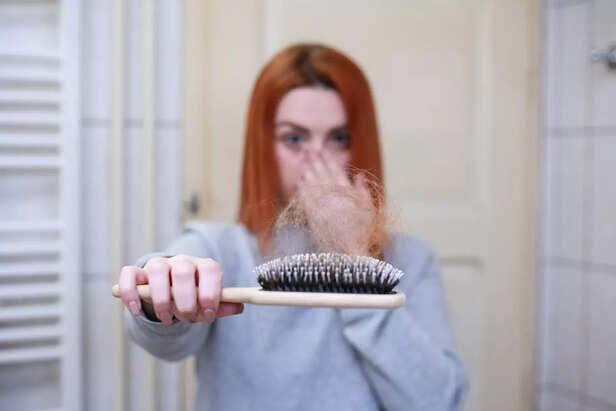
One of the biggest mistakes people make is ignoring early signs of hair fall. Losing some hair daily is normal. On average, shedding fifty to one hundred strands a day is part of the natural hair growth cycle. However, when hair fall increases beyond this or continues for weeks, it is a warning sign. Excessive hair fall while combing, washing, or oiling should never be dismissed as seasonal or temporary without observation. Many people wait until their ponytail becomes thinner or their scalp becomes visible before taking action. By then, hair density has already reduced significantly. Early signs such as increased shedding, slower hair growth, scalp itching, or persistent dandruff indicate that the hair follicles are under stress. Addressing these signs early through better hair care, nutrition, and scalp hygiene can prevent long-term damage.
![Hair Oiling]()
Oiling is deeply rooted in traditional hair care practices, but incorrect oiling methods can do more harm than good. Applying excessive oil, leaving it overnight frequently, or massaging the scalp aggressively are common mistakes. Heavy oiling can clog hair follicles, especially for people with oily or dandruff-prone scalps. Leaving oil on the scalp for too long attracts dust and pollution, which can cause scalp irritation and inflammation. Aggressive massage with nails instead of fingertips can weaken hair roots and cause breakage. The purpose of oiling is nourishment, not suffocation. Light oiling once or twice a week with gentle circular movements is sufficient for most people. The scalp should be cleaned properly after oiling to avoid buildup.
Hair washing habits play a critical role in scalp health. Washing hair too frequently strips the scalp of its natural oils, making hair dry, brittle, and prone to breakage. On the other hand, washing too rarely allows sweat, dirt, and product residue to accumulate, which blocks hair follicles and leads to hair fall. There is no universal rule for how often hair should be washed. It depends on scalp type, lifestyle, and environment. Oily scalps may require washing two to three times a week, while dry scalps may need less frequent washing. Ignoring your scalp’s needs and blindly following trends can disrupt the natural balance of the scalp, leading to increased hair shedding and weakened roots.
![Hair wash]()
Many people choose shampoos based on fragrance, brand popularity, or marketing claims rather than scalp needs. Using the wrong shampoo is a silent but powerful contributor to hair loss. Shampoos with harsh sulfates can strip moisture from the scalp and damage the protective layer of hair. Anti-dandruff shampoos used unnecessarily can over-dry the scalp. Heavy moisturizing shampoos used on oily scalps can cause buildup. Understanding whether your scalp is oily, dry, sensitive, or dandruff-prone is essential. A shampoo should cleanse without causing itching, dryness, or excessive oiliness. Persistent discomfort after washing is a sign that your shampoo is not suitable.
Wet hair is extremely fragile. One of the most overlooked mistakes is rough towel drying and aggressive combing immediately after washing. Rubbing hair vigorously with a towel causes friction that breaks hair strands and damages the cuticle layer. Similarly, detangling wet hair with fine-toothed combs or pulling knots forcefully weakens hair shafts from the roots. Over time, this leads to thinning and increased breakage. The correct approach is to gently pat hair dry with a soft towel and use a wide-toothed comb only when hair is slightly damp. Patience during this stage can save a significant amount of hair.
![Hairstyles and Traction]()
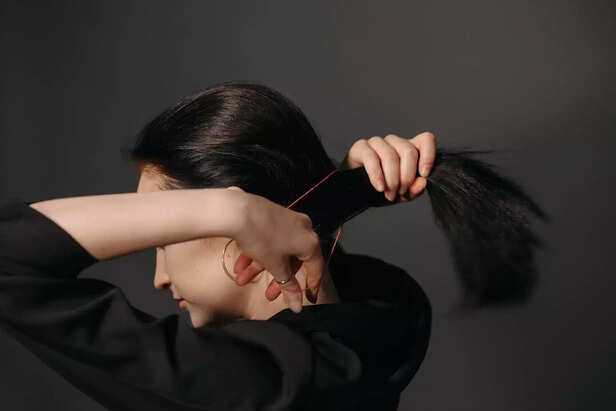
Tight ponytails, buns, braids, and hairstyles that pull hair tightly away from the scalp may look neat, but they place constant tension on hair follicles. This condition is known as traction alopecia. When hair is repeatedly pulled tight, the follicles become damaged and inflamed. Over time, this leads to permanent hair loss in areas such as the hairline and temples. The damage often goes unnoticed until bald patches appear. Alternating hairstyles, keeping them loose, and avoiding tight styling for long hours can protect hair roots from unnecessary stress.
Hair loss rarely happens overnight. It is the result of repeated neglect and everyday mistakes that seem harmless at first. By becoming aware of these habits and correcting them early, it is possible to slow down hair thinning and protect scalp health. Your hair reflects your daily choices. Small changes today can prevent big regrets tomorrow.
Discover expert advice and the latest updates in Skin Care, Hair Care, Wellness, Dermatology, and more at Stay Young guide to lasting beauty and holistic health!
1. Can small daily hair habits really cause baldness?
Yes. Repeated habits like tight hairstyles, rough towel drying, excessive heat styling, and irregular washing slowly weaken hair follicles, leading to thinning and long-term hair loss.
2. How long does it take for hair damage to become noticeable?
Hair damage is gradual. Visible thinning or hair fall usually appears after months or even years of continuous neglect, not immediately after one mistake.
3. Is hair fall always genetic, or can it be prevented?
Genetics play a role, but lifestyle, nutrition, stress, and scalp care significantly influence hair health and can delay or reduce hair loss.
4. Can damaged hair follicles recover?
If addressed early, weakened follicles can recover. However, prolonged damage may make follicles inactive, leading to permanent hair loss.
5. What is the first step to prevent baldness?
Identifying harmful habits early and adopting gentle hair care, balanced nutrition, and stress management is the most effective prevention strategy.
Ignoring Early Hair Fall Signs
Early Hair Fall
Image credit : Pixabay
One of the biggest mistakes people make is ignoring early signs of hair fall. Losing some hair daily is normal. On average, shedding fifty to one hundred strands a day is part of the natural hair growth cycle. However, when hair fall increases beyond this or continues for weeks, it is a warning sign. Excessive hair fall while combing, washing, or oiling should never be dismissed as seasonal or temporary without observation. Many people wait until their ponytail becomes thinner or their scalp becomes visible before taking action. By then, hair density has already reduced significantly. Early signs such as increased shedding, slower hair growth, scalp itching, or persistent dandruff indicate that the hair follicles are under stress. Addressing these signs early through better hair care, nutrition, and scalp hygiene can prevent long-term damage.
Oiling the Hair the Wrong Way

Hair Oiling
Image credit : Freepik
Oiling is deeply rooted in traditional hair care practices, but incorrect oiling methods can do more harm than good. Applying excessive oil, leaving it overnight frequently, or massaging the scalp aggressively are common mistakes. Heavy oiling can clog hair follicles, especially for people with oily or dandruff-prone scalps. Leaving oil on the scalp for too long attracts dust and pollution, which can cause scalp irritation and inflammation. Aggressive massage with nails instead of fingertips can weaken hair roots and cause breakage. The purpose of oiling is nourishment, not suffocation. Light oiling once or twice a week with gentle circular movements is sufficient for most people. The scalp should be cleaned properly after oiling to avoid buildup.
Washing Hair Too Often or Too Rarely
Using the Wrong Shampoo for Your Scalp Type
Hair wash
Image credit : Pexel
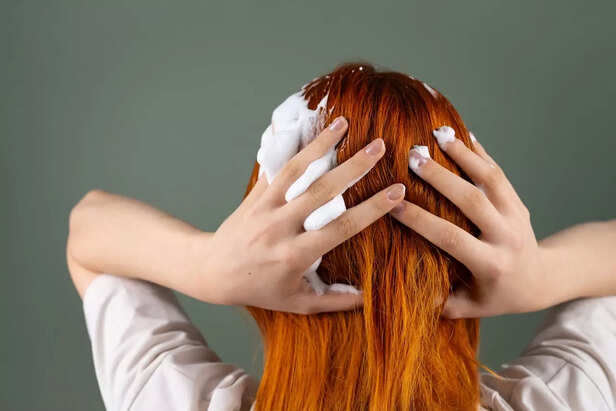
Many people choose shampoos based on fragrance, brand popularity, or marketing claims rather than scalp needs. Using the wrong shampoo is a silent but powerful contributor to hair loss. Shampoos with harsh sulfates can strip moisture from the scalp and damage the protective layer of hair. Anti-dandruff shampoos used unnecessarily can over-dry the scalp. Heavy moisturizing shampoos used on oily scalps can cause buildup. Understanding whether your scalp is oily, dry, sensitive, or dandruff-prone is essential. A shampoo should cleanse without causing itching, dryness, or excessive oiliness. Persistent discomfort after washing is a sign that your shampoo is not suitable.
Towel Drying and Rough Hair Handling
Tight Hairstyles That Pull Hair from the Roots
Hairstyles and Traction
Image credit : Pexels
Tight ponytails, buns, braids, and hairstyles that pull hair tightly away from the scalp may look neat, but they place constant tension on hair follicles. This condition is known as traction alopecia. When hair is repeatedly pulled tight, the follicles become damaged and inflamed. Over time, this leads to permanent hair loss in areas such as the hairline and temples. The damage often goes unnoticed until bald patches appear. Alternating hairstyles, keeping them loose, and avoiding tight styling for long hours can protect hair roots from unnecessary stress.
Small Changes Today Can Save Your Hair Tomorrow
Discover expert advice and the latest updates in Skin Care, Hair Care, Wellness, Dermatology, and more at Stay Young guide to lasting beauty and holistic health!
Frequently Asked Question (FAQs)
Yes. Repeated habits like tight hairstyles, rough towel drying, excessive heat styling, and irregular washing slowly weaken hair follicles, leading to thinning and long-term hair loss.
2. How long does it take for hair damage to become noticeable?
Hair damage is gradual. Visible thinning or hair fall usually appears after months or even years of continuous neglect, not immediately after one mistake.
3. Is hair fall always genetic, or can it be prevented?
Genetics play a role, but lifestyle, nutrition, stress, and scalp care significantly influence hair health and can delay or reduce hair loss.
4. Can damaged hair follicles recover?
If addressed early, weakened follicles can recover. However, prolonged damage may make follicles inactive, leading to permanent hair loss.
5. What is the first step to prevent baldness?
Identifying harmful habits early and adopting gentle hair care, balanced nutrition, and stress management is the most effective prevention strategy.