
The Japanese Hair Washing Method That Transforms Scalp Health
Khushi | Jan 05, 2026, 16:53 IST

Japanese Hair
Image credit : Freepik
The Japanese hair washing method focuses on scalp-first care, gentle cleansing, and mindful techniques that protect the scalp barrier. By emphasizing pre-wash preparation, proper shampoo emulsification, controlled water temperature, and light massage, this approach supports healthier circulation, reduced irritation, and improved long-term hair quality. Understanding this method explains why Japanese haircare prioritizes scalp health as the foundation for strong, shiny hair.
Healthy hair in Japan is rooted in scalp care and not just products. The Japanese hair washing method focuses on the gently preparation, mindful cleansing and proper rinsing to protect the scalp barrier rather than stripping it.
Why Japanese Haircare Treats The Scalp Like Facial Skin
![Scalp Massage]()
Japanese haircare treats the scalp like facial skin as both are the same skin and a very healthy scalp is the essential foundation for very strong, beautiful hair.
A healthy scalp that provides necessary environment for hair follicles to thrive, much like healthy soil for plants.
Using gentle ingredients formulations uses mild, natural and sulfate free ingredients like camellia oil and rice bran extracts that cleanse gently without striping off the natural oils or damaging the skin barrier.
Using specific products like essences and serums that are applied to the scalp for hydration, protection and anti-aging just as one would use on the face.
The Role Of Water Temperature In Scalp Balance
![Rinsing]()
Water temperature significantly affects scalp balance like lukewarm water is ideal for cleansing without stripping oils, hot water opens pores for deep cleaning but risks irritation and excess oil and cold water that seals cuticles for shine but does not clean well.
Some major effects of water temperatures:
Discover expert advice and the latest updates in Skin Care, Hair Care, Wellness, Dermatology, and more at Stay Young guide to lasting beauty and holistic health!
Frequently Asked Questions
Why Japanese Haircare Treats The Scalp Like Facial Skin
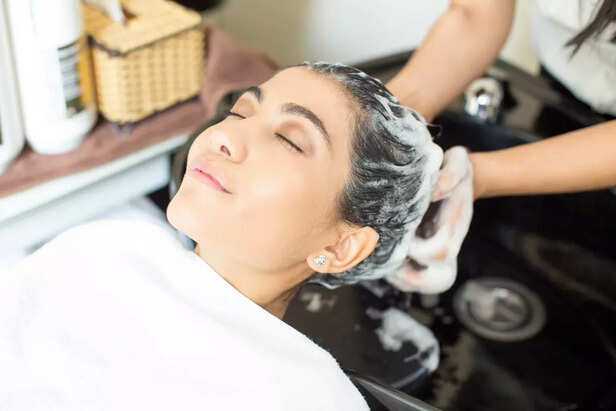
Scalp Massage
Image credit : Freepik
Japanese haircare treats the scalp like facial skin as both are the same skin and a very healthy scalp is the essential foundation for very strong, beautiful hair.
A healthy scalp that provides necessary environment for hair follicles to thrive, much like healthy soil for plants.
Using gentle ingredients formulations uses mild, natural and sulfate free ingredients like camellia oil and rice bran extracts that cleanse gently without striping off the natural oils or damaging the skin barrier.
Using specific products like essences and serums that are applied to the scalp for hydration, protection and anti-aging just as one would use on the face.
The Role Of Water Temperature In Scalp Balance
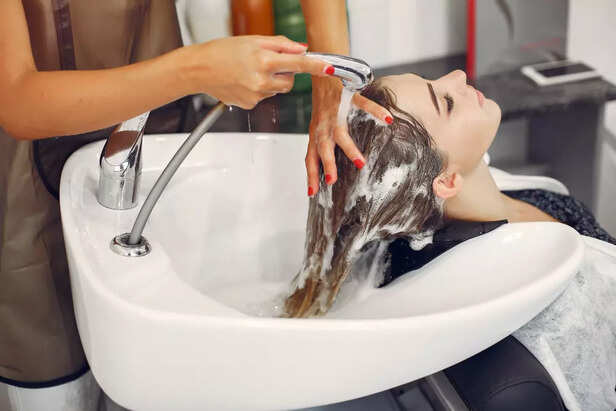
Rinsing
Image credit : Freepik
Water temperature significantly affects scalp balance like lukewarm water is ideal for cleansing without stripping oils, hot water opens pores for deep cleaning but risks irritation and excess oil and cold water that seals cuticles for shine but does not clean well.
Some major effects of water temperatures:
- Lukewarm water gently cleanses dirt, and product buildup.
- It does not strip essential natural oils that prevents dryness and irritation.
- It prepares the hair to absorb conditioners and treatments effectively.
- Hot Water is mainly used to opens hair cuticles and pores that allows for deeper cleansing.
- It can overstimulate sebaceous glands that leads to increased oiliness.
- This may cause cause scalp irritation, dryness, flakiness and itchiness.
- Cold water on the other hand helps in tightening hair cuticles, locking in the moisture and adding shine which reduces frizz.
- It increases blood circulation and soothe inflammation.
- It does not effectively that removes dirt or oil for the primary wash.
Discover expert advice and the latest updates in Skin Care, Hair Care, Wellness, Dermatology, and more at Stay Young guide to lasting beauty and holistic health!
Frequently Asked Questions
- What is the Japanese hair washing technique?
“The best way to do a scalp massage is to start at the back of the head, going upwards and always focusing on the crown of the head, where there are more nerve endings,” Roberts explains. By applying the technique with two brushes, and adding in shampoo, the effect is potent. - How do Japanese wash their hair?
Hair is first rinsed with lukewarm water, then shampoo is lathered in hands and massaged into the scalp using fingertips. Hair lengths are cleaned by the foam during rinsing, minimizing dryness and breakage, emphasizing long-term hair care over quick styling. - What do Koreans wash their hair with?
Hair wash with a mixture of apple cider vinegar and water is important to maintain the scalp's PH balance. It also effectively washes away residual product buildup and improves shine. Apply to scalp and hair, and rinse off after a few minutes.