Rosemary oil sits in an unusual position for a hair-care ingredient: it has one genuinely credible study behind it, a plausible mechanism, and a social-media presence that has stretched both far beyond what the data supports. Understanding where the evidence ends is more useful than the hype in either direction.
What the Research Actually Shows
A 2015 randomised controlled trial compared a 2% rosemary oil preparation against 2% minoxidil solution in people with androgenetic alopecia over six months. Both groups saw comparable increases in hair count by the endpoint, with rosemary oil producing slightly less scalp itch. That is the study most citations trace back to. It was small, it used a standardised preparation rather than a retail product, and it has not been replicated at scale. The finding is real but narrow: rosemary oil, applied in a controlled concentration, performed comparably to minoxidil in one trial of androgenetic pattern hair loss. Nothing in that finding extends automatically to other causes of hair loss, other concentrations, or other formulations.
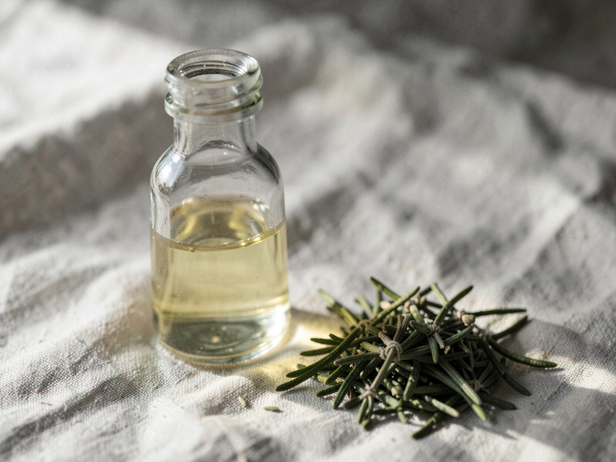
![Golden Rosemary Elixir]()
Golden Rosemary Elixir
Image credit : AI
Discover the power of rosemary oil for hair growth. This natural elixir offers a gentle approach to revitalizing locks.
The Mechanism Behind the Claim
The active compound most studied in this context is rosmarinic acid, which appears to inhibit 5-alpha reductase, the enzyme that converts testosterone to dihydrotestosterone. DHT is the primary driver of androgenetic hair loss, the pattern that causes hairlines to recede and crowns to thin in both men and women. By reducing DHT activity at the follicle, rosemary oil may slow the miniaturisation process that eventually stops a follicle producing a visible hair shaft. The mechanism is biologically plausible. What it also tells you is that the effect, if real, is specific to androgenetic hair loss. Telogen effluvium, where large numbers of follicles shift into a resting phase following stress, illness, rapid weight loss, or hormonal change, is driven by a completely different process. Traction alopecia, caused by sustained tension on follicles from tight hairstyles, is mechanical. Scalp inflammation from seborrhoeic dermatitis or psoriasis has its own pathways. Rosemary oil does not address any of these causes, and applying it to hair loss from these sources is unlikely to produce the results the androgenetic study suggests.
What Gets Extrapolated Without Evidence
Several claims circulate that go well beyond the 2015 trial. Rosemary oil is frequently described as stimulating circulation to the scalp and thereby feeding follicles. Scalp circulation does matter to follicle health, and rosemary does have vasodilatory properties, but there is no clinical trial linking topical rosemary application to measurable improvements in scalp blood flow or hair density through that specific route. It is a reasonable hypothesis, not an established finding. Similarly, claims that rosemary oil strengthens the hair shaft, prevents split ends, or improves shine are cosmetic observations at best. The shaft is a dead structure; nothing applied topically repairs its internal architecture. Conditioning the surface is real, but that is a different claim from growing more hair.
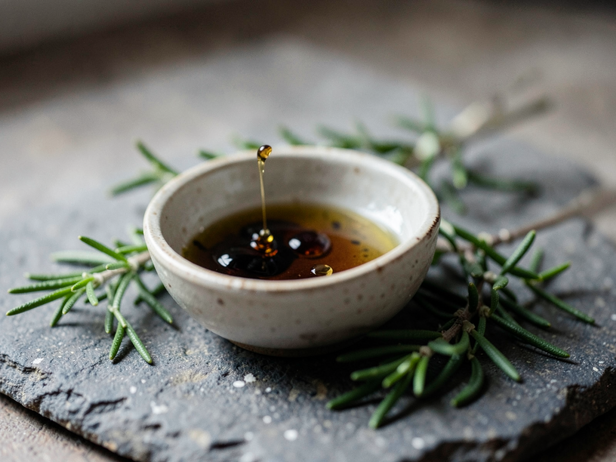
![Rosemary Essential Oil Infusion]()
Rosemary Essential Oil Infusion
Image credit : AI
I'm creating a potent rosemary oil blend for hair growth, focusing on natural ingredients.
How to Use It If You Choose To
Carrier oil dilution is not optional. Undiluted essential oils applied directly to the scalp can cause contact dermatitis, particularly in people with sensitive skin or existing scalp conditions. A 2% dilution in a carrier oil such as jojoba or coconut oil is the concentration used in the trial. For a 30 ml carrier, that is roughly 12 drops of rosemary essential oil. Apply to the scalp rather than the hair length, since the mechanism is follicular. Consistency over months matters more than frequency of application in any given week. People with a history of contact allergy, those who are pregnant, or those with an active scalp condition should speak to a dermatologist before adding any essential oil to their scalp routine. If hair loss is significant, accelerating, or accompanied by scalp changes, a clinical assessment to identify the cause is the starting point, not a topical oil.
Who Should Not Expect Results
Rosemary oil is not suitable as a primary intervention for hair loss caused by nutritional deficiency, thyroid dysfunction, autoimmune conditions such as alopecia areata, or scarring alopecias where follicles have been permanently damaged. It is also not a replacement for minoxidil or finasteride in moderate to severe androgenetic hair loss, where those treatments have a substantially larger evidence base. The trial that compared rosemary to minoxidil used 2% minoxidil, the lower-strength formulation. Higher concentrations of minoxidil have their own separate evidence. The comparison was between two mild interventions, not between rosemary oil and the full range of clinical options.
The honest position on rosemary oil is that it has one real study, a plausible mechanism for one specific cause of hair loss, and a safety profile that makes it low-risk when diluted correctly. That is a reasonable basis for trying it. It is not a basis for treating it as a proven hair-growth solution across the board. Knowing which category your hair loss falls into matters more than the ingredient itself.
Discover expert advice and the latest updates in
Skin Care,
Hair Care,
Wellness,
Dermatology, and more at
Stay Young guide to lasting beauty and holistic health!