
What Hair Dye Really Does to Your Scalp May Surprise You
Noopur Kumari | Aug 03, 2026, 10:14 IST

Hair Dye Hides Grey
Image credit : freepik
Hair colour can be a simple beauty choice, but your scalp often tells a different story. Frequent colouring, harsh chemicals and poor aftercare may weaken the scalp's natural barrier, leading to irritation, dryness and even hair thinning in some people. Here's what experts say about protecting your scalp without giving up the hair colour you love.
Freshly coloured hair can instantly boost confidence. The greys disappear, your hair looks vibrant, and you feel younger. But while most people focus on the colour they see in the mirror, very few think about what is happening underneath. Every time hair dye touches your scalp, it can affect the skin that supports healthy hair growth. The biggest surprise is that the damage may not appear immediately, making it easy to ignore until problems become harder to fix.
![Hair Dye Being Applied to the Scalp]()
Your scalp is living skin, not just a surface beneath your hair. Many permanent hair dyes contain chemicals such as ammonia and oxidative colour agents that help the colour last longer. While these products are generally safe when used correctly, they can irritate sensitive skin. Some people notice itching, burning or redness after colouring, while others experience no symptoms at first. Repeated exposure may gradually weaken the scalp's natural protective barrier, making it more vulnerable over time.
![Woman Checking Her Scalp After Hair Colour]()
One of the biggest misconceptions is that if your scalp feels fine during colouring, everything is safe. In reality, allergic reactions can appear several hours or even days later. Ingredients such as para-phenylenediamine (PPD), found in many permanent dyes, are well-known triggers for allergic contact dermatitis in some people. Mild itching can quickly become swelling, redness or painful irritation. That is why dermatologists recommend performing a patch test before every colouring session, even if you have used the same brand before.
Your scalp plays a major role in supporting healthy hair growth. If it becomes excessively dry, inflamed or damaged, hair strands may become weaker and break more easily. Hair dye itself does not usually cause permanent hair loss, but irritation and repeated inflammation can contribute to temporary shedding in some people. Keeping your scalp moisturised, avoiding excessive colouring and choosing gentler formulas can help maintain a healthier foundation for your hair.
Protecting your scalp does not mean giving up hair colour completely. Experts recommend waiting at least four to six weeks between colouring sessions whenever possible. Use shampoos designed for colour-treated hair, avoid scratching your scalp after colouring and rinse thoroughly to remove leftover chemicals. If you notice persistent itching, blistering or swelling, stop using the product and seek medical advice. Choosing ammonia-free or sensitive-scalp formulas may also reduce irritation for some individuals.
Hair colour is a personal choice, and millions of people use it safely every year. The key is understanding that beautiful hair begins with healthy skin underneath. Paying attention to early warning signs, following product instructions carefully and giving your scalp time to recover between colouring sessions can help you enjoy long-lasting colour without unnecessary discomfort. Looking younger should never come at the cost of your scalp's health.
Discover expert advice and the latest updates in Skin Care, Hair Care, Wellness, Dermatology, and more at Stay Young guide to lasting beauty and holistic health!
Your Scalp Feels Everything
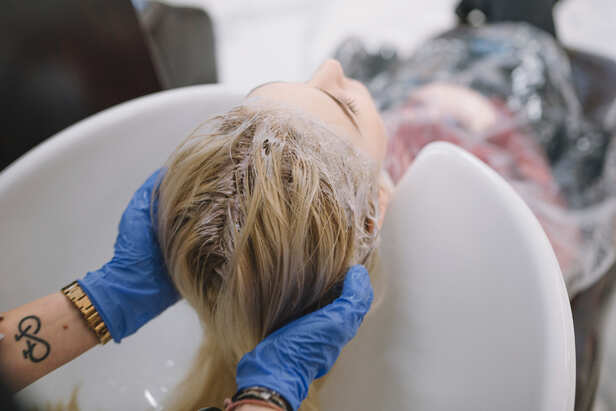
Hair Dye Being Applied to the Scalp
Image credit : freepik
Your scalp is living skin, not just a surface beneath your hair. Many permanent hair dyes contain chemicals such as ammonia and oxidative colour agents that help the colour last longer. While these products are generally safe when used correctly, they can irritate sensitive skin. Some people notice itching, burning or redness after colouring, while others experience no symptoms at first. Repeated exposure may gradually weaken the scalp's natural protective barrier, making it more vulnerable over time.
Not Every Reaction Happens Immediately

Woman Checking Her Scalp After Hair Colour
Image credit : freepik
One of the biggest misconceptions is that if your scalp feels fine during colouring, everything is safe. In reality, allergic reactions can appear several hours or even days later. Ingredients such as para-phenylenediamine (PPD), found in many permanent dyes, are well-known triggers for allergic contact dermatitis in some people. Mild itching can quickly become swelling, redness or painful irritation. That is why dermatologists recommend performing a patch test before every colouring session, even if you have used the same brand before.
Healthy Hair Starts With a Healthy Scalp
Small Habits Can Make a Big Difference
Beauty Should Never Cost Your Scalp
Discover expert advice and the latest updates in Skin Care, Hair Care, Wellness, Dermatology, and more at Stay Young guide to lasting beauty and holistic health!