
Why Ancient Indian Women Used Dhoop on Their Hair
Noopur Kumari | Aug 06, 2026, 10:48 IST

Ancient Indian Women Used Dhoop
Image credit : freepik
Sambrani dhoop was more than a pleasant fragrance. In Ayurveda, it was believed to support scalp health, encourage relaxation and gently dry damp hair without harsh heat. While modern science on its benefits is still limited, this ancient ritual continues to be valued in traditional wellness practices. Here's why generations of women trusted this forgotten hair care tradition
Long before hair dryers, leave-in conditioners and expensive hair spas became popular, women in ancient India followed a simple ritual that combined beauty, wellness and tradition. After washing their hair, many gently exposed their damp locks to the fragrant smoke of sambrani dhoop, believing it could strengthen hair, purify the scalp and calm the mind. While this centuries-old practice has largely disappeared from daily life, it is now attracting fresh attention as people rediscover traditional Ayurvedic beauty rituals. But was it simply a cultural custom, or did it offer real benefits? The answer is more fascinating than you might expect.
![Ancient Indian woman using sambrani dhoop after bathing]()
For women in ancient India, using sambrani dhoop after washing their hair was never just about appearance. It was a calming ritual that connected daily self-care with spiritual well-being. Ayurveda believed that gentle herbal smoke helped balance the body's natural energies, particularly Vata dosha, while creating a sense of emotional grounding. The soothing aroma also made the experience deeply relaxing after a bath. Instead of rushing through hair care, this ritual encouraged mindfulness, making beauty a part of overall wellness rather than a separate routine.
What
![Natural sambrani resin and herbal incense]()
Sambrani is a fragrant natural resin obtained from the Styrax tree. When burned, it releases a warm, woody aroma that has been used in Indian homes for centuries. In traditional Ayurvedic practices, sambrani is valued for its purifying properties and is often used during prayers, meditation and post-bath rituals. Some herbal blends also include neem, tulsi or guggal, which have long been associated with maintaining scalp hygiene in traditional medicine. Although modern scientific evidence remains limited, these ingredients continue to be respected in Ayurveda for their wellness benefits.
Before electric hair dryers existed, drying long hair naturally often took several hours. Sambrani smoke provided a gentle source of warmth that helped remove excess moisture without exposing hair to intense heat. Traditional practitioners believed this method reduced prolonged dampness on the scalp, which was thought to support better scalp hygiene. The pleasant fragrance left behind also acted as a natural hair perfume, giving freshly washed hair a clean, earthy aroma that lasted long after the ritual was complete.
Ayurvedic practitioners have long believed that herbal smoke made with ingredients like neem, tulsi and guggal may help maintain a cleaner scalp by reducing sweat buildup and supporting overall scalp hygiene. Many also believed it encouraged healthier hair roots by creating gentle warmth around the scalp. While these traditional claims are widely respected in Ayurveda, more scientific research is needed to confirm many of these effects. Today, the practice is appreciated as a complementary wellness ritual rather than a replacement for medical treatment.
One common misconception is that ancient women used sambrani after every hair wash. In reality, traditional practitioners recommend moderation. Excessive exposure to smoke, even from natural herbs, is not considered ideal because inhaling smoke frequently may affect respiratory health. Many Ayurvedic wellness experts suggest performing the ritual only once or twice a month. This balanced approach allows people to enjoy the calming experience while reducing unnecessary exposure to smoke, especially in modern indoor environments.
If you wish to experience this traditional ritual, always choose natural sambrani or loban products without synthetic fragrances. Burn the resin in a proper holder inside a well-ventilated balcony or open space. Keep damp hair about 15 to 25 centimetres away from the smoke to avoid overheating. Allow only gentle smoke to reach the hair rather than direct flames. Afterward, comb your hair lightly to distribute its natural oils evenly. If you have asthma or breathing conditions, it is best to avoid smoke-based rituals altogether.
The beauty of sambrani dhoop lies not only in its fragrance but also in the philosophy behind it. Ancient Indian women viewed hair care as an act of patience, balance and self-respect rather than a quick cosmetic routine. Whether or not you choose to include this ritual in your lifestyle, it offers an important reminder that true beauty often begins with mindful habits. Traditional wisdom continues to inspire modern wellness, proving that some of the oldest practices still have meaningful lessons to offer today's fast-paced world.
Discover expert advice and the latest updates in Skin Care, Hair Care, Wellness, Dermatology, and more at Stay Young guide to lasting beauty and holistic health!
A Ritual Beyond Beauty
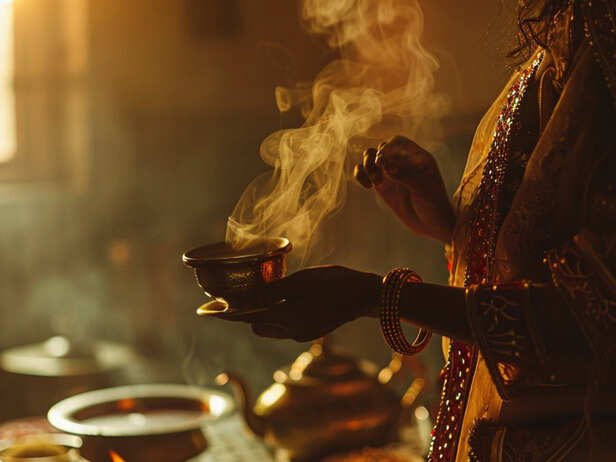
Ancient Indian woman using sambrani dhoop after bathing
Image credit : freepik
For women in ancient India, using sambrani dhoop after washing their hair was never just about appearance. It was a calming ritual that connected daily self-care with spiritual well-being. Ayurveda believed that gentle herbal smoke helped balance the body's natural energies, particularly Vata dosha, while creating a sense of emotional grounding. The soothing aroma also made the experience deeply relaxing after a bath. Instead of rushing through hair care, this ritual encouraged mindfulness, making beauty a part of overall wellness rather than a separate routine.
What Makes Sambrani Special ?
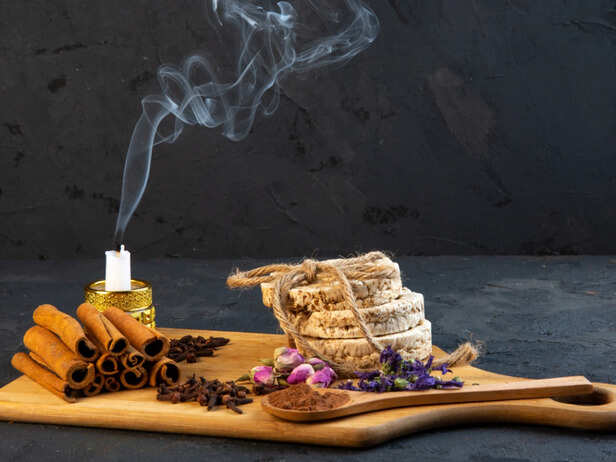
Natural sambrani resin and herbal incense
Image credit : freepik
Sambrani is a fragrant natural resin obtained from the Styrax tree. When burned, it releases a warm, woody aroma that has been used in Indian homes for centuries. In traditional Ayurvedic practices, sambrani is valued for its purifying properties and is often used during prayers, meditation and post-bath rituals. Some herbal blends also include neem, tulsi or guggal, which have long been associated with maintaining scalp hygiene in traditional medicine. Although modern scientific evidence remains limited, these ingredients continue to be respected in Ayurveda for their wellness benefits.
Why Damp Hair Needed Herbal Smoke
The Scalp Benefits People Believed In
Why It Was Never Done Every Day
How to Practice It Safely Today
An Ancient Tradition Worth Remembering
Discover expert advice and the latest updates in Skin Care, Hair Care, Wellness, Dermatology, and more at Stay Young guide to lasting beauty and holistic health!