
Why Your Scalp Feels Greasy During Rainy Season
Areeba Ayub | Aug 13, 2026, 14:36 IST

Greasy Scalp During Monsoon
Image credit : freepik
Rainy weather can feel refreshing, but your scalp may not always enjoy the change in climate. Higher humidity, sweat, oil production, and dampness can make the scalp feel greasy and uncomfortable. For some people, this can also lead to itching, buildup, and limp-looking hair.Understanding why your scalp becomes oilier during the rainy season can help you make a few simple changes to your hair care routine.
Does your hair feel fresh after washing but greasy again soon after?
You may notice this more often during the rainy season. The increase in humidity can make sweat stay on the scalp for longer, while the scalp continues to produce its natural oils. Add dust, pollution, and damp weather to the mix, and your hair can quickly lose its fresh feeling.
The solution is not to wash your hair constantly. Instead, understanding what your scalp needs during humid weather can help you keep it clean, comfortable, and balanced.
![Humid Weather and Hair]()
Humidity means there is more moisture in the air. During the rainy season, this can make sweat and natural scalp oils feel heavier.
Your hair may appear:
Even when the weather feels cooler, humidity can make you sweat.
When sweat stays on the scalp, it can mix with natural oils and product residue. This may make the scalp feel dirty or uncomfortable.
Washing your hair when it becomes sweaty can help, but excessive washing may also leave the scalp dry and irritated.
![Drying Hair After Rain]()
Getting caught in the rain is common during monsoon, but leaving your scalp and hair damp for long periods is not ideal.
A consistently damp scalp can feel uncomfortable and may encourage buildup.
After getting wet, gently dry your hair and scalp rather than keeping it tied up while still damp.
Heavy styling products, oils, and leave-in treatments may feel different in humid weather.
Too much product can combine with natural scalp oil and create buildup.
During the rainy season, consider using hair products sparingly and avoid applying heavy products directly to the scalp unless recommended for your hair needs.
![Hair Exposed to City Pollution]()
Rainy weather does not completely protect your scalp from environmental pollution.
Dust and pollutants can settle on your hair and scalp, especially if you spend a lot of time outdoors.
Regular cleansing can help remove this buildup and keep the scalp feeling fresher.
There is no single washing schedule that works for everyone.
If your scalp becomes sweaty or greasy quickly, you may need to wash it more frequently. However, using very harsh shampoos or washing excessively can cause dryness and irritation.
Choose a gentle shampoo and focus on cleaning the scalp rather than aggressively scrubbing the hair.
![Healthy Scalp Close-Up]()
An oily scalp can sometimes be accompanied by itching or visible flakes.
If these problems continue or become severe, it may be more than a simple seasonal change. Scalp conditions can have different causes and may require professional advice.
Avoid repeatedly using strong products without knowing what is causing the problem.
Simple
A few everyday habits can make your scalp feel more comfortable:
![Dermatologist Scalp Consultation]()
A greasy scalp is usually manageable, but persistent symptoms should not be ignored.
Consider speaking with a dermatologist if you experience ongoing:
A greasy scalp during the rainy season is often linked to higher humidity, sweat, natural oil production, and product or environmental buildup. While it can be frustrating, constantly washing or using strong products is not always the answer.
Instead, focus on keeping your scalp clean, drying your hair properly, and choosing a routine that suits your scalp. With a little seasonal adjustment, you can keep your hair feeling fresh and your scalp comfortable throughout the monsoon.
Discover expert advice and the latest updates in Skin Care, Hair Care, Wellness, Dermatology, and more at Stay Young guide to lasting beauty and holistic health!
You may notice this more often during the rainy season. The increase in humidity can make sweat stay on the scalp for longer, while the scalp continues to produce its natural oils. Add dust, pollution, and damp weather to the mix, and your hair can quickly lose its fresh feeling.
The solution is not to wash your hair constantly. Instead, understanding what your scalp needs during humid weather can help you keep it clean, comfortable, and balanced.
Humidity Can Make Your Scalp Feel Oily

Humid Weather and Hair
Image credit : freepik
Humidity means there is more moisture in the air. During the rainy season, this can make sweat and natural scalp oils feel heavier.
Your hair may appear:
- Greasy
- Flat
- Sticky
- Less fresh
Sweat Can Build Up on the Scalp
Even when the weather feels cooler, humidity can make you sweat.
When sweat stays on the scalp, it can mix with natural oils and product residue. This may make the scalp feel dirty or uncomfortable.
Washing your hair when it becomes sweaty can help, but excessive washing may also leave the scalp dry and irritated.
Damp Hair Can Create Problems
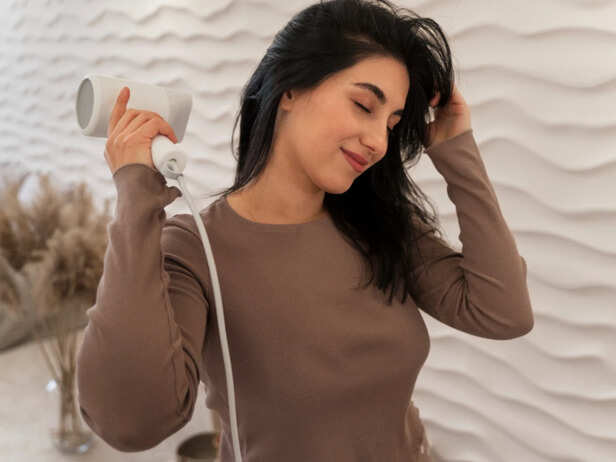
Drying Hair After Rain
Image credit : freepik
Getting caught in the rain is common during monsoon, but leaving your scalp and hair damp for long periods is not ideal.
A consistently damp scalp can feel uncomfortable and may encourage buildup.
After getting wet, gently dry your hair and scalp rather than keeping it tied up while still damp.
Hair Products Can Add to the Greasy Feeling
Heavy styling products, oils, and leave-in treatments may feel different in humid weather.
Too much product can combine with natural scalp oil and create buildup.
During the rainy season, consider using hair products sparingly and avoid applying heavy products directly to the scalp unless recommended for your hair needs.
Pollution and Dust Can Make It Worse

Hair Exposed to City Pollution
Image credit : pexels
Rainy weather does not completely protect your scalp from environmental pollution.
Dust and pollutants can settle on your hair and scalp, especially if you spend a lot of time outdoors.
Regular cleansing can help remove this buildup and keep the scalp feeling fresher.
Should You Wash Your Hair More Often?
There is no single washing schedule that works for everyone.
If your scalp becomes sweaty or greasy quickly, you may need to wash it more frequently. However, using very harsh shampoos or washing excessively can cause dryness and irritation.
Choose a gentle shampoo and focus on cleaning the scalp rather than aggressively scrubbing the hair.
Do Not Ignore Itching or Flaking
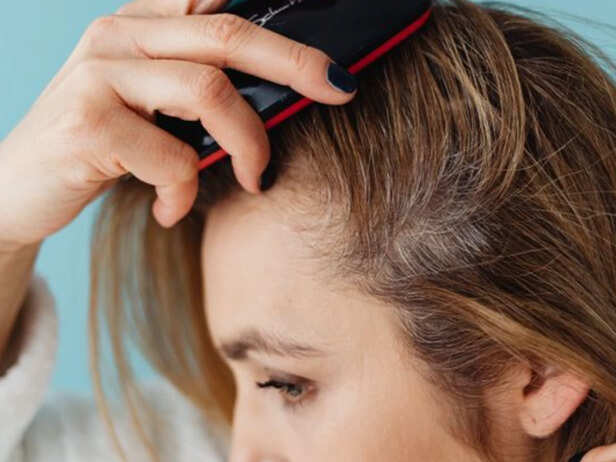
Healthy Scalp Close-Up
Image credit : freepik
An oily scalp can sometimes be accompanied by itching or visible flakes.
If these problems continue or become severe, it may be more than a simple seasonal change. Scalp conditions can have different causes and may require professional advice.
Avoid repeatedly using strong products without knowing what is causing the problem.
Simple Monsoon Hair Care Tips
A few everyday habits can make your scalp feel more comfortable:
- Keep your scalp clean
- Dry your hair properly after rain
- Avoid tying up wet hair
- Use hair products in moderation
- Keep your pillowcase and hair tools clean
- Avoid sharing combs and brushes
- Choose products suited to your scalp type
When Should You See a Dermatologist?
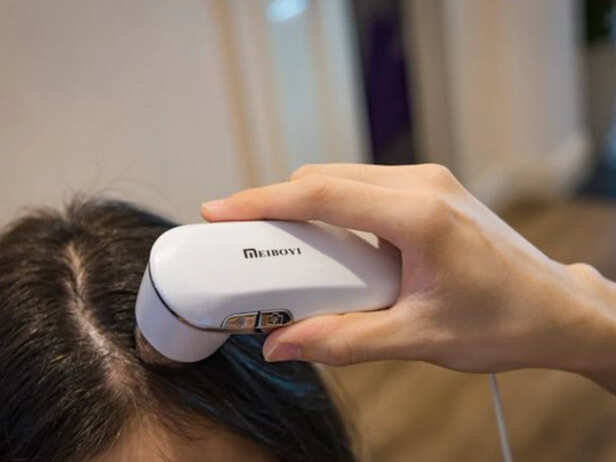
Dermatologist Scalp Consultation
Image credit : pexels
A greasy scalp is usually manageable, but persistent symptoms should not be ignored.
Consider speaking with a dermatologist if you experience ongoing:
- Severe itching
- Excessive flaking
- Redness
- Scalp irritation
- Unusual hair shedding
A greasy scalp during the rainy season is often linked to higher humidity, sweat, natural oil production, and product or environmental buildup. While it can be frustrating, constantly washing or using strong products is not always the answer.
Instead, focus on keeping your scalp clean, drying your hair properly, and choosing a routine that suits your scalp. With a little seasonal adjustment, you can keep your hair feeling fresh and your scalp comfortable throughout the monsoon.
Discover expert advice and the latest updates in Skin Care, Hair Care, Wellness, Dermatology, and more at Stay Young guide to lasting beauty and holistic health!