
Why Your Split Ends Keep Coming Back Even After Trims
Vaishnavi Mall | Feb 23, 2026, 14:00 IST

Split Ends
Image credit : Freepik
When split ends recur despite frequent trims, many people become perplexed. If you continually cutting your hair and don't see any long-term changes, it can feel unpleasant and meaningless. In actuality, trims do not prevent the formation of new split ends; they merely eliminate the damage that is readily apparent. Hair damage is often caused by daily routines, heat styling, washing practices, and even diet. This article describes the causes of recurrent split ends as well as effective preventative measures.
When you finally schedule a trim, the ends of your hair feel silky and appear brand new. However, the split ends return in a few weeks. Because of this, a lot of people question if pruning is ever effective. What occurs before and after the trim is the issue, not the trim itself. Hair cannot heal itself since it is already dead when it leaves the scalp. Split ends will continue to form if regular routines continue to harm the hair. The first step to maintaining healthy hair for longer is to understand why this occurs.
![Remove Damage]()
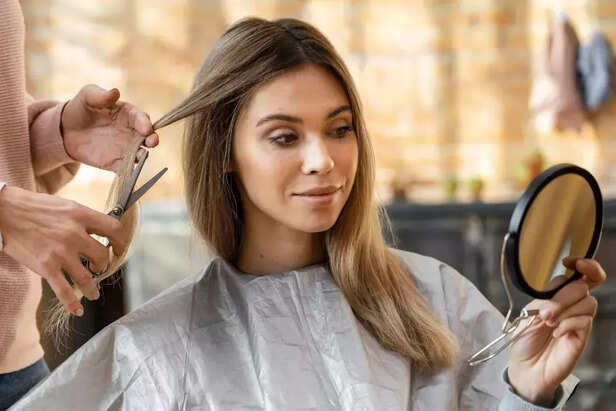
The portion of hair that has already split is removed with a trim. It does not prevent the same harm from occurring in the future. When the outer cuticle layer separates and reveals the inner core, hair splits. Because of stress, friction, and dryness, this damage develops gradually over time. New splits appear shortly after the trim if the cause of the damage remains the same. Trims are therefore useful but not a complete solution in and of themselves.
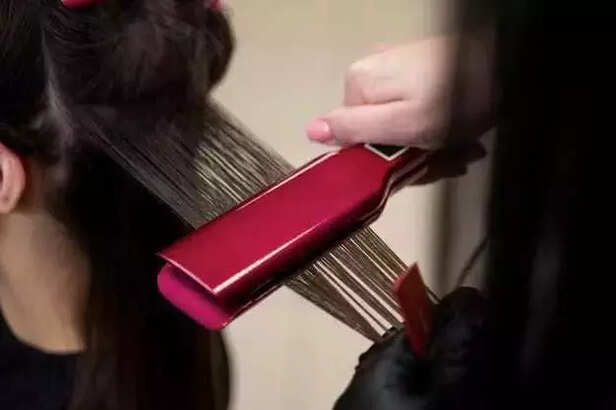
One of the main causes of recurring split ends is heat tools. Hair shaft moisture is eliminated by curling irons, straighteners, and blow dryers. Hair gets dry and tight as it loses moisture. This facilitates breaking and splitting of the ends. Over time, harm might occur even for those who use heat only occasionally. Although they assist lessen damage, heat protectant treatments do not make hair heat-resistant. One of the best methods for protecting hair ends is to utilize lower temps and less heat.
![Overwashing Is Drying]()
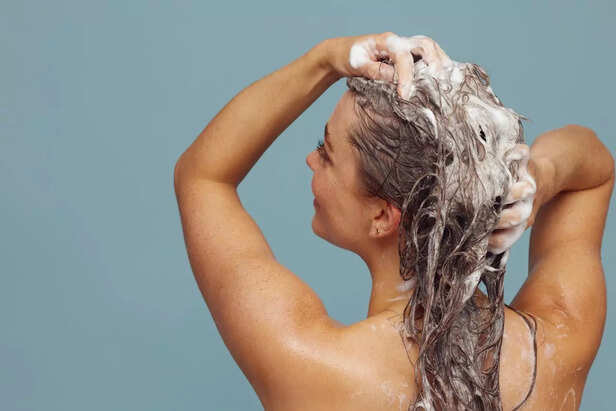
Unaware of the impact on the ends, many people wash their hair too frequently. Natural oils are produced on the scalp and gradually go down the hair shaft. These oils maintain the hair's suppleness and protection. These oils are eliminated before they reach the ends by frequent washing or the use of powerful shampoos. The ends become weak and dry as a result. Frequent use of clarifying shampoos and sulfates may exacerbate the issue. Hair retains moisture better when washed less frequently and with softer formulations.
For hair to remain strong, it requires both protein and moisture. Hair is kept flexible and silky by moisture. Hair gets its strength and structure from protein. Excessive moisture causes hair to feel weak and pliable. Excess protein causes hair to feel brittle and stiff. Split ends can result from either circumstance. Many people don't know what their hair requires and use various products. You may select better treatments and prevent damage to your hair by paying attention to how it feels.
![Quietly Damage Your Hair]()
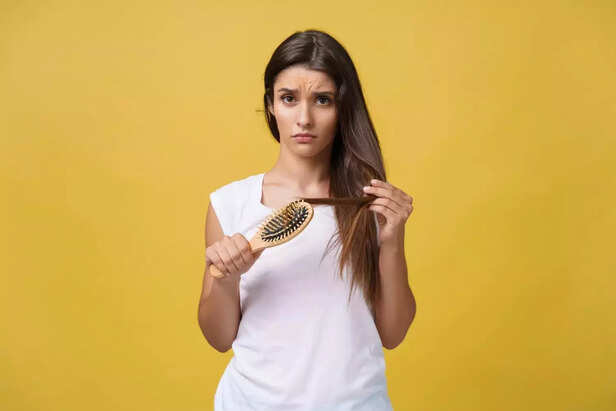
Heat and chemicals are not the only causes of split ends. Damage can also caused by ordinary daily activities. The hair fibers are pulled and stretched by rough towel drying, vigorous brushing, and tight styling. Wet hair is very brittle and prone to breaking. Additionally, as you sleep, cotton pillowcases cause friction. This minor harm accumulates over time and causes split ends. Gentle brushing, loose hairstyles, and the use of a soft towel can all have a visible impact.
The structure of hair is altered by coloring, bleaching, smoothing, and rebonding. These procedures change texture or color by rupturing internal linkages. Hair may first appear fine, but its inner strength is diminished. Hair is more prone to split and break as a result. Even though the worst damage is removed by routine trimmings, the remaining hair is still weaker than untreated hair. Additional care and conditioning become even more crucial if you utilize chemical treatments.
The hair ends are exposed and newly clipped following a trim. They dry out rapidly if left exposed. Hair can be coated and friction reduced with the use of light oils, serums, or leave-in conditioners. These products slow down fresh damage but do not fix split ends. If this step is skipped, ends are left exposed and susceptible to re-splitting.
Internal Factors Also Affect
![Hair Health]()
Hair health is more than just taking care of your hair. Stress levels, nutrition, and hydration are also important. Protein makes up the majority of hair. Dehydration, iron deficiency, and poor protein intake can all cause hair to grow more slowly and weakly. Over time, stress can also have an impact on hair quality. If the body isn't getting what it needs, even the best haircare regimen could not be effective. Stronger hair is supported from the inside out by eating a balanced diet and drinking adequate water.
Trims have a purpose. They prevent further breakage and inhibit splits from moving upward. However, better hair habits go hand in hand with trims. Consider trimming to be upkeep rather than therapy. The actual transformation occurs when hair is protected on a regular basis and damage is minimized whenever possible.
Discover expert advice and the latest updates in Skin Care, Hair Care, Wellness, Dermatology, and more at Stay Young guide to lasting beauty and holistic health!
1. How often should I trim my hair to prevent split ends?
Most people benefit from a trim every 6 to 8 weeks. However, if your hair is chemically treated or exposed to frequent heat styling, you may need trims more often to prevent splits from traveling upward.
2. Can split ends be repaired without cutting them?
No. Once a hair strand splits, it cannot fully repair itself because hair is made of dead cells. Some serums can temporarily smooth the appearance, but trimming is the only permanent solution.
3. Do hair oils help prevent split ends?
Hair oils and serums help reduce dryness and friction, which can slow down the formation of split ends. They do not fix existing splits, but they protect the hair from further damage.
4. Does air drying reduce split ends?
Air drying can reduce heat damage compared to frequent blow drying. However, rough handling of wet hair can still cause breakage, so gentle drying methods are important.
5. Why do my split ends return so quickly after a haircut?
Split ends come back when the root causes such as heat styling, overwashing, friction, or chemical treatments continue. Trims remove damage, but daily habits determine how fast new splits appear.
You Are Cutting the Damage, Not the Cause
Remove Damage
Image credit : Freepik
The portion of hair that has already split is removed with a trim. It does not prevent the same harm from occurring in the future. When the outer cuticle layer separates and reveals the inner core, hair splits. Because of stress, friction, and dryness, this damage develops gradually over time. New splits appear shortly after the trim if the cause of the damage remains the same. Trims are therefore useful but not a complete solution in and of themselves.
Heat Styling Is Weakening Your Hair Over Time
Over washing and Harsh Shampoos Strip Natural Oils
Overwashing Is Drying
Image credit : Freepik
Unaware of the impact on the ends, many people wash their hair too frequently. Natural oils are produced on the scalp and gradually go down the hair shaft. These oils maintain the hair's suppleness and protection. These oils are eliminated before they reach the ends by frequent washing or the use of powerful shampoos. The ends become weak and dry as a result. Frequent use of clarifying shampoos and sulfates may exacerbate the issue. Hair retains moisture better when washed less frequently and with softer formulations.
Your Hair Lacks the Right Balance of Moisture and Protein
Mechanical Damage Is Happening Every Day
Quietly Damage Your Hair
Image credit : Freepik
Heat and chemicals are not the only causes of split ends. Damage can also caused by ordinary daily activities. The hair fibers are pulled and stretched by rough towel drying, vigorous brushing, and tight styling. Wet hair is very brittle and prone to breaking. Additionally, as you sleep, cotton pillowcases cause friction. This minor harm accumulates over time and causes split ends. Gentle brushing, loose hairstyles, and the use of a soft towel can all have a visible impact.
Chemical Treatments Weaken Hair Structure
You Are Not Protecting or Sealing the Ends
Internal Factors Also Affect Hair Health
Hair Health
Image credit : Freepik
Hair health is more than just taking care of your hair. Stress levels, nutrition, and hydration are also important. Protein makes up the majority of hair. Dehydration, iron deficiency, and poor protein intake can all cause hair to grow more slowly and weakly. Over time, stress can also have an impact on hair quality. If the body isn't getting what it needs, even the best haircare regimen could not be effective. Stronger hair is supported from the inside out by eating a balanced diet and drinking adequate water.
Trims Still Matter, Just Not Alone
Discover expert advice and the latest updates in Skin Care, Hair Care, Wellness, Dermatology, and more at Stay Young guide to lasting beauty and holistic health!
Frequently Asked Question (FAQs)
Most people benefit from a trim every 6 to 8 weeks. However, if your hair is chemically treated or exposed to frequent heat styling, you may need trims more often to prevent splits from traveling upward.
2. Can split ends be repaired without cutting them?
No. Once a hair strand splits, it cannot fully repair itself because hair is made of dead cells. Some serums can temporarily smooth the appearance, but trimming is the only permanent solution.
3. Do hair oils help prevent split ends?
Hair oils and serums help reduce dryness and friction, which can slow down the formation of split ends. They do not fix existing splits, but they protect the hair from further damage.
4. Does air drying reduce split ends?
Air drying can reduce heat damage compared to frequent blow drying. However, rough handling of wet hair can still cause breakage, so gentle drying methods are important.
5. Why do my split ends return so quickly after a haircut?
Split ends come back when the root causes such as heat styling, overwashing, friction, or chemical treatments continue. Trims remove damage, but daily habits determine how fast new splits appear.