Active acne and non-invasive skin treatments seem like a natural pairing, one causes the problem, the other promises to fix it. The reality is that several of the most popular in-clinic procedures carry real risks when the skin is actively inflamed, and understanding why helps you make a better-timed decision rather than an expensive one.
What "Active Acne" Actually Means for a Clinician
Clinicians distinguish between active acne, live, inflamed lesions including papules, pustules, nodules, and cysts, and acne sequelae, which covers the scarring, pigmentation, and textural changes left behind after the inflammation has resolved. Most non-invasive treatments that target texture and tone are designed for the sequelae phase. Applying energy-based or mechanical treatments to skin that is still in the inflammatory phase changes the biological environment entirely. Inflamed tissue is already in a compromised barrier state, with elevated levels of inflammatory mediators and a disrupted microbiome. Introducing thermal energy, suction, or mechanical stress into that environment does not treat the acne, it adds another insult to tissue that is already struggling to repair itself.
Laser and Light Treatments
Fractional lasers, both ablative and non-ablative, work by creating controlled micro-injuries in the dermis to stimulate collagen remodelling. On clear skin, those micro-injuries are precisely placed and heal predictably. On skin with active pustules or nodules, the same energy can rupture already-fragile lesion walls, spreading bacteria into adjacent tissue and triggering a post-inflammatory response that is far harder to manage than the original breakout. Intense pulsed light devices target pigment and haemoglobin; the heat they generate can increase local inflammation in active lesions and worsen post-inflammatory hyperpigmentation rather than reduce it. Some low-level light therapies, particularly blue light at around 415 nanometres, are specifically indicated for active acne because they target Cutibacterium acnes without generating the thermal load that causes the problems above. The distinction matters: not all light is the same, and the wavelength, energy density, and target tissue determine whether a treatment helps or harms.
Radiofrequency and Ultrasound Devices
Radiofrequency treatments, including microneedling RF, deliver thermal energy into the dermis to stimulate collagen. The mechanism requires controlled heating of tissue, typically to 40 to 70 degrees Celsius depending on the device and depth. Active acne lesions are already sites of localised heat and inflammation. Adding RF energy over them can deepen the inflammatory response, increase the risk of post-inflammatory hyperpigmentation, and in nodular or cystic acne, potentially drive the infection deeper into the dermis. Focused ultrasound devices that target the superficial muscular aponeurotic system layer are less likely to interact directly with superficial acne lesions, but most clinicians still defer treatment until the skin is stable, because swollen and tender tissue makes precise depth calibration unreliable. Microneedling without RF carries its own specific risk: needles that pass through an active lesion can mechanically spread bacteria across the treatment zone, seeding new breakouts in areas that were previously clear.
![Frosted Vial and Quartz Roller]()
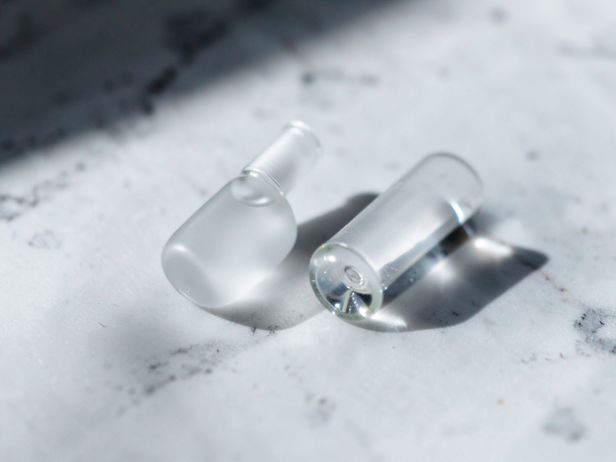
Frosted Vial and Quartz Roller
Image credit : AI
Exploring non-invasive treatments for active acne in India. This image highlights the tools used.
Chemical Peels and Resurfacing
Medium and deep chemical peels, trichloroacetic acid and phenol-based formulations, are contraindicated in active acne because the compromised barrier allows the peeling agent to penetrate unevenly. Where the skin is already broken down around a lesion, deeper penetration can cause unpredictable tissue damage. Superficial peels using glycolic or salicylic acid occupy a different position: salicylic acid in particular is keratolytic and mildly anti-inflammatory, and low-concentration salicylic peels are sometimes used as part of an active-acne management protocol under clinical supervision. The key variable is concentration, lesion type, and the clinician's judgement, not a blanket rule. Hydradermabrasion and mechanical exfoliation carry similar risks to microneedling: suction and abrasion over active pustules can rupture them and spread their contents.
Who Should Decide the Timeline, and What Happens in the Interim
The decision to defer a non-invasive treatment is a clinical one, made after a clinician examines the skin, identifies the acne grade, and determines whether the inflammatory phase has resolved sufficiently. There is no universal clearance threshold that applies across all devices and all skin types. For many people, the interim period is when topical and oral acne management does its most important work, reducing the inflammatory burden so that the subsequent non-invasive treatment can act on stable tissue and produce the result it is designed to produce. Attempting to shortcut this sequence rarely saves time. A flare triggered by a poorly timed treatment typically adds weeks of recovery and may require additional sessions to address the new damage. If you are managing active acne and considering a non-invasive procedure for scarring or texture, a consultation with a dermatologist before booking any device treatment is the right starting point, not the other way around.
Discover expert advice and the latest updates in
Skin Care,
Hair Care,
Wellness,
Dermatology, and more at
Stay Young guide to lasting beauty and holistic health!