
Why “Perfect Features” Sometimes Create New Insecurities
Payal Tandon | May 02, 2026, 10:00 IST

Perfect features (Image Credit:Freepik)
In a world filled with beauty trends and ideal looks, many people believe that achieving perfect features will bring confidence and happiness. But the reality is often more complex. This article explores why chasing perfection can sometimes lead to new insecurities, how comparison and expectations play a role, and what true confidence really depends on.
Everywhere you look today, there is an idea of what beauty should look like.
From social media to advertisements, perfect features are constantly shown as the goal.
Clear skin, sharp features, balanced proportions. It all seems like the key to confidence and acceptance.
It is easy to believe that if you reach this level, everything will feel better.
But many people who try to achieve these standards often experience something unexpected.
Instead of feeling completely satisfied, they begin to notice new flaws.
This creates a cycle where perfection keeps moving further away.
Understanding why this happens can help you build a healthier relationship with your appearance.
![the idea for perfection (Image Credit:Freepik)]()
One of the biggest challenges with chasing perfect features is that the definition of perfection never stays the same.
What is considered ideal today may not be the same tomorrow.
Trends change. Preferences shift. New standards appear.
This makes it difficult to ever feel fully satisfied.
Even if you achieve one goal, another one replaces it.
This constant change can create pressure and uncertainty.
Instead of feeling complete, you may feel like you always need to adjust.
Comparison Creates Invisible Pressure
It is natural to compare yourself with others.
But constant comparison can affect how you see yourself.
When you are surrounded by images of perfect features, it becomes easy to focus on what you think you lack.
This comparison is often unfair.
You are comparing your real self to carefully presented images.
Over time, this can reduce confidence and create unnecessary pressure.
Even small differences can start to feel important.
External Changes Do Not Always Fix Internal Feelings
Changing your appearance can improve how you look, but it does not always change how you feel inside.
Confidence is not only based on physical appearance.
If insecurities come from deeper thoughts or experiences, external changes may not fully resolve them.
This is why some people still feel unsure even after achieving the look they wanted.
The feeling of needing more can continue.
Understanding this helps you focus on both internal and external well being.
Attention Can Bring New Expectations
![Fillers (Image Credit:Freepik)]()
When people achieve features that match popular standards, they may receive more attention.
At first, this can feel positive.
But over time, it can also create pressure.
You may feel the need to maintain that image or meet new expectations.
This can lead to stress and self awareness.
Instead of feeling free, you may feel observed.
This shift can create new insecurities that were not present before.
When you focus on achieving perfection, your attention to detail increases.
You begin to notice things you never paid attention to before.
Small imperfections that once felt normal may start to feel significant.
This change in perception can create dissatisfaction.
The more you look for flaws, the more you may find.
This makes it harder to feel content with your appearance.
![Influence of Society (Image Credit:Freepik)]()
Social platforms and trends play a strong role in shaping beauty standards.
They highlight certain features and make them seem more important.
This influence can affect how you see yourself.
It can create a belief that you need to match these standards to feel accepted.
But these standards are often selective and constantly changing.
Recognizing this helps reduce their impact.
Real confidence does not depend only on appearance.
It comes from how you feel about yourself overall.
When confidence is based only on looks, it can feel unstable.
But when it is supported by self acceptance, it becomes stronger.
This does not mean ignoring appearance.
It means not letting it define your entire sense of self.
![Outer appearence (Image Credit:Freepik)]()
Taking care of your appearance is natural and positive.
But it is important to balance this with acceptance.
You can improve your look while still appreciating what you already have.
This balance reduces pressure and creates a healthier mindset.
It allows you to enjoy self care without chasing unrealistic goals.
Understanding why perfection can create insecurities helps you avoid the cycle.
It allows you to make choices with clarity instead of pressure.
Awareness helps you focus on what truly matters for your well being.
It also helps you build confidence that is not dependent on changing standards.
Perfect features may seem like the key to confidence, but they do not always bring the satisfaction people expect.
The idea of perfection keeps changing, and comparison can create pressure.
External changes alone cannot solve internal feelings.
True confidence comes from a balance of self care and self acceptance.
When you understand this, you can move away from chasing perfection and focus on feeling comfortable in your own skin.
Discover expert advice and the latest updates in Skin Care, Hair Care, Wellness, Dermatology, and more at Stay Young guide to lasting beauty and holistic health!
From social media to advertisements, perfect features are constantly shown as the goal.
Clear skin, sharp features, balanced proportions. It all seems like the key to confidence and acceptance.
It is easy to believe that if you reach this level, everything will feel better.
But many people who try to achieve these standards often experience something unexpected.
Instead of feeling completely satisfied, they begin to notice new flaws.
This creates a cycle where perfection keeps moving further away.
Understanding why this happens can help you build a healthier relationship with your appearance.
The Idea of Perfection Is Always Changing

the idea for perfection (Image Credit:Freepik)
One of the biggest challenges with chasing perfect features is that the definition of perfection never stays the same.
What is considered ideal today may not be the same tomorrow.
Trends change. Preferences shift. New standards appear.
This makes it difficult to ever feel fully satisfied.
Even if you achieve one goal, another one replaces it.
This constant change can create pressure and uncertainty.
Instead of feeling complete, you may feel like you always need to adjust.
Comparison Creates Invisible Pressure
It is natural to compare yourself with others.
But constant comparison can affect how you see yourself.
When you are surrounded by images of perfect features, it becomes easy to focus on what you think you lack.
This comparison is often unfair.
You are comparing your real self to carefully presented images.
Over time, this can reduce confidence and create unnecessary pressure.
Even small differences can start to feel important.
External Changes Do Not Always Fix Internal Feelings
Changing your appearance can improve how you look, but it does not always change how you feel inside.
Confidence is not only based on physical appearance.
If insecurities come from deeper thoughts or experiences, external changes may not fully resolve them.
This is why some people still feel unsure even after achieving the look they wanted.
The feeling of needing more can continue.
Understanding this helps you focus on both internal and external well being.
Attention Can Bring New Expectations
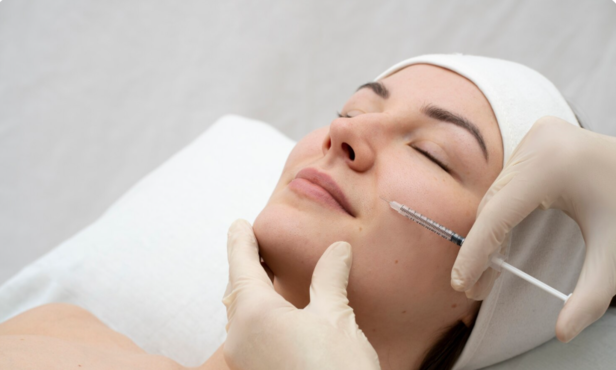
Fillers (Image Credit:Freepik)
When people achieve features that match popular standards, they may receive more attention.
At first, this can feel positive.
But over time, it can also create pressure.
You may feel the need to maintain that image or meet new expectations.
This can lead to stress and self awareness.
Instead of feeling free, you may feel observed.
This shift can create new insecurities that were not present before.
Small Flaws Start to Feel Bigger
When you focus on achieving perfection, your attention to detail increases.
You begin to notice things you never paid attention to before.
Small imperfections that once felt normal may start to feel significant.
This change in perception can create dissatisfaction.
The more you look for flaws, the more you may find.
This makes it harder to feel content with your appearance.
The Role of Social Influence

Influence of Society (Image Credit:Freepik)
Social platforms and trends play a strong role in shaping beauty standards.
They highlight certain features and make them seem more important.
This influence can affect how you see yourself.
It can create a belief that you need to match these standards to feel accepted.
But these standards are often selective and constantly changing.
Recognizing this helps reduce their impact.
Why True Confidence Feels Different
It comes from how you feel about yourself overall.
When confidence is based only on looks, it can feel unstable.
But when it is supported by self acceptance, it becomes stronger.
This does not mean ignoring appearance.
It means not letting it define your entire sense of self.
Finding Balance Between Care and Acceptance
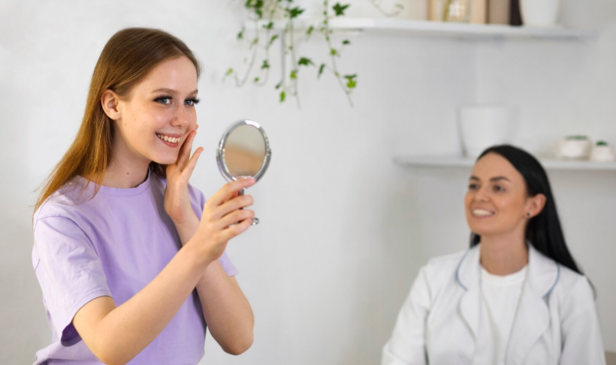
Outer appearence (Image Credit:Freepik)
Taking care of your appearance is natural and positive.
But it is important to balance this with acceptance.
You can improve your look while still appreciating what you already have.
This balance reduces pressure and creates a healthier mindset.
It allows you to enjoy self care without chasing unrealistic goals.
Why Awareness Makes a Difference
It allows you to make choices with clarity instead of pressure.
Awareness helps you focus on what truly matters for your well being.
It also helps you build confidence that is not dependent on changing standards.
Perfect features may seem like the key to confidence, but they do not always bring the satisfaction people expect.
The idea of perfection keeps changing, and comparison can create pressure.
External changes alone cannot solve internal feelings.
True confidence comes from a balance of self care and self acceptance.
When you understand this, you can move away from chasing perfection and focus on feeling comfortable in your own skin.
Discover expert advice and the latest updates in Skin Care, Hair Care, Wellness, Dermatology, and more at Stay Young guide to lasting beauty and holistic health!