
Signs of Hormonal Imbalance Showing On The Skin
Khushi | Nov 17, 2025, 14:12 IST

Hormonal Imbalance
Image credit : Freepik
This article shows signs of hormonal imbalances caused be various factors like lifestyle, stress, improper diet and how is it affecting the skin.
Highlights
- Acne breakouts and it major issues.
- Pigmentation causes and the reasons why consulting the doctor seems important.
- Dry and flaky skin are the signs of low levels of hormones.
Hormones are very essential for the body to function properly and the slight shift in the hormones levels can affect the skin functions and many signs can appear on the skin like acne, pigmentation dryness. Understanding these clues can help identify these hormonal imbalances very early and can take the required steps toward restoring both skin health and well being.
Sudden Acne Breakouts In New Areas
![Acne]()
Sudden acne breakouts in new areas can be caused by hormonal changes, eating unhealthy, stress or incorrect skincare habits like not removing makeup.
There are many potential causes that can happen due to these habits:
![Pigmentation]()
Pigmentation, dark patches on different parts of the body can be a issue for many which is caused be overproduction of melanin resulting conditions like melasma, hyperpigmentation and age spots or freckles.
Trauma or inflammation can also be one of the reasons which leads the skin to post-inflammatory hyperpigmentation.
When to see doctor
Dry, Flaky Skin Linked To Low Hormone Levels
Dry and flaky skin is often related to low levels of hormones like estrogen and thyroid hormones. Declining estrogen can reduce skin’s natural production and hydration and also imbalances impair blood circulation in the skin.
What to do
Discover expert advice and the latest updates in Skin Care, Hair Care, Wellness, Dermatology, and more at Stay Young guide to lasting beauty and holistic health!
Frequently Asked Questions
Sudden Acne Breakouts In New Areas
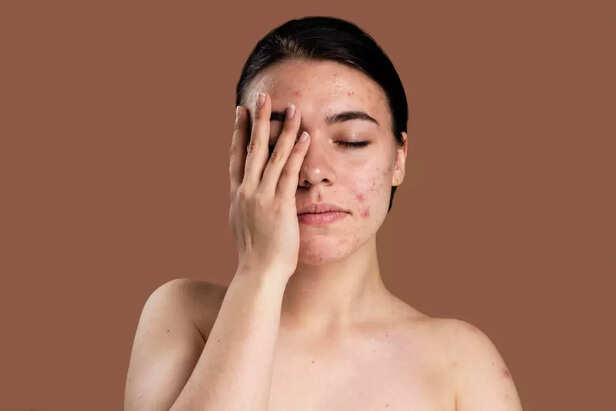
Acne
Image credit : Freepik
Sudden acne breakouts in new areas can be caused by hormonal changes, eating unhealthy, stress or incorrect skincare habits like not removing makeup.
There are many potential causes that can happen due to these habits:
- Puberty, pregnancy, menstruation or changes in birth control can trigger acne.
- A sudden change in diet especially in sugar dairy or processed foods.
- Friction caused by electronic items like phones, helmets and tight fitting clothes can lead to acne in new areas.
- Genetics can also be one of major reasons as family history of acne can make the individual more susceptible.
- Certain medications can have acne as as side effect.
Unusual Pigmentation And Dark Patches
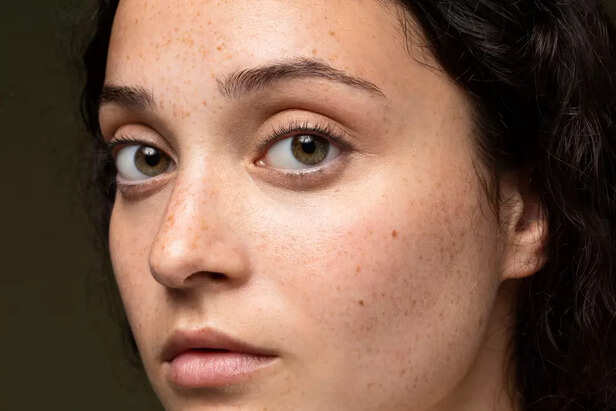
Pigmentation
Image credit : Freepik
Pigmentation, dark patches on different parts of the body can be a issue for many which is caused be overproduction of melanin resulting conditions like melasma, hyperpigmentation and age spots or freckles.
Trauma or inflammation can also be one of the reasons which leads the skin to post-inflammatory hyperpigmentation.
When to see doctor
- If the discoloured patch does not go away and and reappears.
- If the mole changes in shape size or texture.
Dry, Flaky Skin Linked To Low Hormone Levels
Dry and flaky skin is often related to low levels of hormones like estrogen and thyroid hormones. Declining estrogen can reduce skin’s natural production and hydration and also imbalances impair blood circulation in the skin.
What to do
- Moisturizing regularly twice in a day can help retain the moisture.
- Using gentle and unscented products instead of using harsh, heavy scented soaps that can strip body’s natural oils.
- Go to a doctor if the dryness is persistent as it can be a sign of hormonal imbalance or nutritional deficiency.
Discover expert advice and the latest updates in Skin Care, Hair Care, Wellness, Dermatology, and more at Stay Young guide to lasting beauty and holistic health!
Frequently Asked Questions
- How to balance hormones for skin?
It's also important to make sure you're getting enough omega-3 fats (like oily fish) — to reduce inflammation and help keep your skin clearer. Some people find that omega-3 supplements or zinc supplements help reduce acne. Exercise helps to regulate your hormones and also reduces stress. - How to tell if acne is hormonal or bacterial?
You can tell the difference between hormonal and bacterial acne by its location, appearance, and timing. Hormonal acne typically appears as deep, painful cysts on the lower face (jawline, chin, and neck) and often flares up around your menstrual cycle or during stress. Bacterial acne can appear anywhere, but is more common on the forehead, nose, and back, and can present as whiteheads, blackheads, and pus-filled pimples. - Do dermatologists take blood tests for acne?
Yes, dermatologists may order blood tests for acne, especially if they suspect an underlying issue like a hormonal imbalance or need to monitor treatment safety. These tests can help identify systemic causes and guide treatment decisions for severe or persistent acne.