Have you noticed that your skin looks thinner, more delicate or easier to bruise than it used to? Skin naturally changes with age, but getting older is not the only possible reason. Years of sun exposure, reduced collagen, certain medications and some skincare habits can also affect how thick and resilient the skin feels. You may first notice these changes on the hands, arms, face or other areas that receive frequent sun exposure. Understanding what causes skin thinning can help you protect your skin, avoid unnecessary irritation and recognise when a change deserves a dermatologist’s attention.
Skin Naturally Becomes Thinner With Age
![Thinner Skin Is Often Just Natural Ageing]()
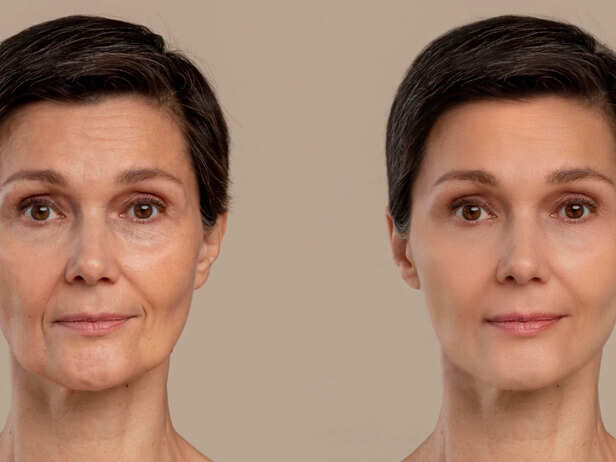
Thinner Skin Is Often Just Natural Ageing
Image credit : FreePik
Collagen and structural components change gradually over time, making skin feel more delicate. Easier bruising and dryness are common signs, not necessarily a cause for concern.
One of the most common reasons skin becomes thinner is simply getting older. As part of natural ageing, skin gradually loses some of its thickness, moisture and youthful fullness. Collagen and other structural components also change over time, which can make the skin appear more delicate. You may notice that your skin feels drier, looks more creased or bruises more easily than it did when you were younger. These changes do not necessarily mean something is wrong. They can be part of the normal ageing process.
Sun Exposure Can Speed Up Skin Ageing
Years of exposure to ultraviolet radiation can contribute to premature skin ageing. Repeated UV exposure damages skin cells and can lead to changes such as wrinkles, uneven pigmentation and loss of elasticity. This is why sun protection remains important even when you are not spending the day at the beach. Regular sunscreen use, protective clothing and seeking shade can help reduce ongoing UV exposure. If your skin has become increasingly fragile after years of frequent sun exposure, protecting it now is still worthwhile.
Certain Steroid Creams Can Thin the Skin
![Long-Term Steroid Use Can Thin Skin]()
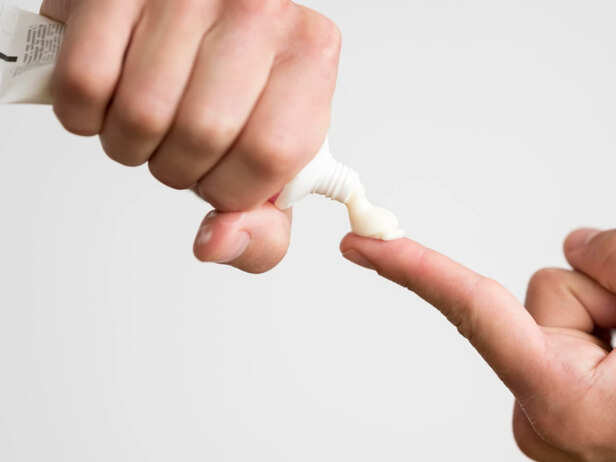
Long-Term Steroid Use Can Thin Skin
Image credit : FreePik
Strong corticosteroids used longer than prescribed, especially on the face or neck, can weaken skin over time. Never stop a prescribed treatment yourself, but flag unusual fragility to your dermatologist.
Topical corticosteroids can be useful medicines for several inflammatory skin conditions, but using a strong steroid incorrectly or for longer than prescribed can cause side effects, including skin thinning. The risk can be particularly important when potent corticosteroids are used on areas such as the face or neck. This does not mean you should stop a prescribed treatment on your own. Instead, use steroid medicines exactly as directed by your doctor. If you have been applying a steroid cream for a long time and notice unusually thin, fragile or easily bruised skin, discuss it with your dermatologist.
Your Skin May Become More Fragile
Thinner skin can sometimes look almost transparent, particularly on areas where the skin is naturally delicate. Fine lines may become more noticeable and small injuries can leave marks more easily. Bruising may also become more common as skin and underlying tissues change with age. This is particularly noticeable on areas such as the hands and forearms. However, sudden or unexplained changes should not automatically be blamed on ageing. A dermatologist can help determine whether medication, an underlying skin condition or another factor could be contributing.
Your Daily Skin Care Still Matters
When skin becomes thinner or more delicate, aggressive skincare may do more harm than good. Very harsh scrubs, excessive exfoliation and strong products can increase irritation. A simple routine can be more appropriate. Use a gentle cleanser, moisturise regularly and protect exposed skin from the sun. Avoid deliberately scrubbing fragile areas in an attempt to make them smoother. Moisturising does not rebuild thin skin overnight, but it can help improve dryness and support the skin barrier, making the skin feel more comfortable.
Do Not Assume Every Change Is Normal Ageing
Ageing is common, but not every change in your skin should automatically be dismissed as part of getting older. If your skin suddenly becomes much more fragile, bruises frequently without an obvious reason, develops unusual marks or changes noticeably after starting a medication, speak with a healthcare professional. It is especially important to mention all medicines and creams you use, including products bought without a prescription. This can help your dermatologist identify possible contributors.
Protect Fragile Skin From Everyday Damage
Once skin becomes thinner, everyday habits can become more important. Avoid unnecessary friction, protect your hands from harsh chemicals and use moisturiser when the skin feels dry. Sun protection should remain a daily habit. A broad-spectrum sunscreen with SPF 30 or higher, along with shade and protective clothing, can help reduce further UV damage. The goal is not to make ageing skin look artificially young. It is to keep it protected, comfortable and healthy as it changes.
When to See a Dermatologist
If you notice sudden skin thinning, repeated unexplained bruising, persistent wounds, unusual changes in texture or significant changes after using a medication, a dermatology consultation can help identify the cause. For many people, thinner skin is simply one part of natural ageing. But understanding what is contributing to the change can help you avoid preventable damage and choose skincare that is appropriate for more delicate skin.
Discover expert advice and the latest updates in
Skin Care,
Hair Care,
Wellness,
Dermatology, and more at
Stay Young guide to lasting beauty and holistic health.