
The Hidden Causes Behind Sudden Skin Sensitivity
Khushi | Jan 05, 2026, 15:17 IST

Smooth Skin
Image credit : Freepik
Sudden skin sensitivity often appears without warning, making even familiar products feel irritating or uncomfortable. This article explores the hidden reasons behind unexpected skin reactions, including barrier damage, environmental stress, hormonal shifts, inflammation, and lifestyle factors. By understanding what silently triggers sensitivity, it becomes easier to restore skin balance, reduce flare-ups, and support long-term skin resilience.
Skin that suddenly starts reacting can feel confusing and frustrating. Products that feels gentle may begin to sting, redness can appears without warning and the skin may feel tight or inflamed for no clear reason.
How A Weakened Skin Barrier Triggers Unexpected Reactions

Skin Barrier
Image credit : Freepik
A skin barrier that is weak triggers unexpected reactions that allows irritants, allergens, and bacteria to penetrate the deeper layers of skin more easily while also permitting essential moisture to escape.
This compromised defense system that leads to increased inflammation, heightened nerve sensitivity and a loss of moisture retention that makes the skin hyper-reactive to previously tolerated products and environmental factors.
The skin barrier acts as a naturally acts as a protective shield. When this barrier weakens, foreign substances like harsh ingredients, pollutants and allergens can pass through the outer layer more easily that reaches live nerve endings and immune cells that triggers inflammation, stinging, burning and redness.
A loss of protective lipids leaves nerve endings more exposed and closer to the skin's surface. That makes the skin more reactive to minor stimuli such as temperature changes or gentle skincare products that results in sensations of tightness, itching and discomfort.
Early Signs Skin Sensitivity Is Becoming Chronic
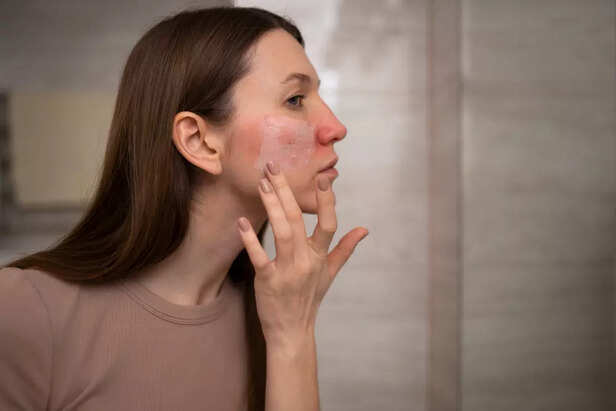
Redness
Image credit : Freepik
The early and persistent symptoms that recur frequently or do not go away even after avoiding many potential triggers.
Key Signs include:
- Frequent or ongoing burning, stinging, itching and tightness that do not resolves quickly.
- The skin tendency of becoming red, flushing, dryness, flaking or rashes that reappear often especially in the same areas.
- The skin ten begins to react negatively to a variety of internal or external factors that would not typically cause symptoms in a non-sensitive skin.
- The skin barrier that seems to remain weakened leading to a longer recovery time after a flare-up.
Key Note: If the symptoms are severe, persistent or worsening despite home care consult a dermatologist to identify the cause and develop a personalized treatment plan.
Discover expert advice and the latest updates in Skin Care, Hair Care, Wellness, Dermatology, and more at Stay Young guide to lasting beauty and holistic health!
Frequently Asked Questions
- What causes sudden hypersensitivity to touch?
Hyperesthesia could happen when some part of the sensory process becomes dysfunctional. That can happen in the nerves themselves, your brain or your spinal cord. In effect, your sense of touch is dialed up to 11 without any regard for whether or not that level is necessary. - What vitamin deficiency causes allodynia?
First, we showed that vitamin D deficiency causes allodynia, spinal neuronal sensitization, and modifications in endocannabinoid signaling at the spinal and gut levels. - What are the first signs of nerve damage?
The first signs of nerve damage often involve sensory changes like tingling, numbness, or a "pins and needles" feeling, typically starting in hands or feet, along with sharp, burning pain or extreme sensitivity to touch. You might also notice muscle weakness, difficulty with coordination, or clumsiness, struggling to grip things or balance. These sensations occur as nerves struggle to send signals, making you feel pain from light touch or lose awareness of limb position, and it's crucial to see a doctor for early diagnosis.