
Why Your Skin Looks Worse After You Start Treating It
Abhishek Singh | Aug 18, 2026, 14:00 IST

Too Much Skincare, Too Little Recovery
Image credit : FreePik
Sometimes a skincare routine designed to improve your complexion can leave your skin looking worse. Redness, dryness, peeling, stinging and new breakouts can appear when too many active ingredients, harsh cleansers or frequent exfoliation overwhelm the skin. Learn why this happens, which routine mistakes can trigger irritation and how simplifying your skincare may help your skin recover.
You start a new skincare routine expecting clearer, smoother and healthier-looking skin. Instead, your face becomes dry, red, flaky or covered in small bumps. Suddenly, products that were supposed to improve your complexion seem to be making everything worse. This can happen when your routine becomes too aggressive. Exfoliating acids, retinoids, acne treatments, scrubs and even frequent cleansing can irritate the skin when they are used too often or combined without considering how your skin responds. Dermatologists note that over-exfoliation and harsh cleansing can damage the skin barrier and contribute to dryness, irritation and sensitivity. The answer is not always another product. Sometimes your skin needs less.
![Too Many Active Ingredients Overload Your Skin]()
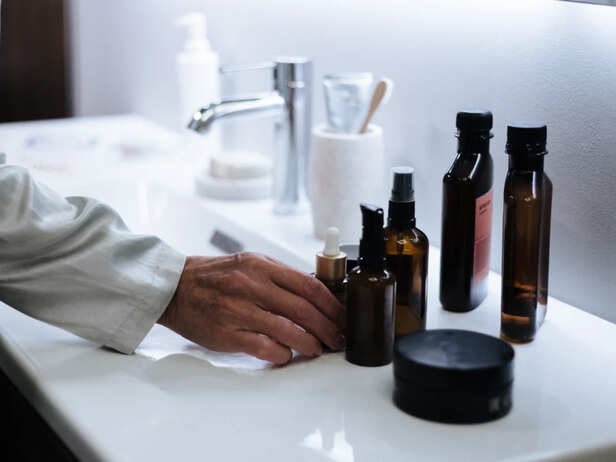
Active ingredients can be useful for specific concerns, but using several powerful products at once can make irritation more likely. For example, someone might use a retinoid at night, an exfoliating acid on another night, a strong cleanser twice daily and an additional scrub on weekends. Each product may have a purpose individually, but the combined routine can become too demanding for the skin. The result may be redness, dryness, peeling, burning or increased sensitivity. Dermatologists recommend considering the other products you already use before adding an exfoliating treatment because some combinations can increase irritation.
Exfoliation removes dead skin cells from the surface, which can make skin appear smoother. But more exfoliation does not necessarily mean better skin. Using exfoliating acids or physical scrubs too frequently can irritate the skin and weaken its protective barrier. The American Academy of Dermatology specifically warns that over-exfoliating can leave skin red and irritated. If your face suddenly feels tight, stings when you apply products or becomes unusually flaky after introducing exfoliation, that may be a sign that your routine needs to be gentler.
![Homemade Scrubs Can Damage Your Skin Barrier]()
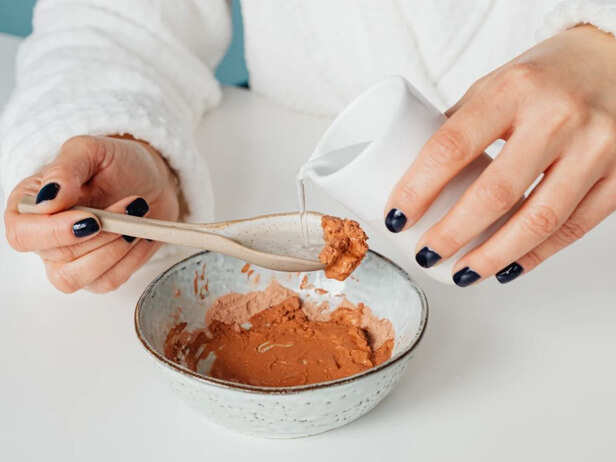
Homemade scrubs can look harmless because ingredients such as sugar, salt or coffee grounds are found in many kitchen products. But rough particles can physically irritate facial skin. Cleveland Clinic dermatology guidance warns that abrasive scrubs can create tiny disruptions in the skin barrier and increase irritation. Your face does not need aggressive scrubbing to remove every trace of texture. Gentle cleansing and appropriately selected exfoliation are usually a better approach.
A face that feels extremely clean after washing can seem like a sign that your cleanser is working. In reality, excessive cleansing can strip natural oils and contribute to dryness and irritation. Dermatology guidance recommends gentle cleansing rather than repeatedly washing or scrubbing the skin. Cleveland Clinic notes that even double cleansing is unnecessary for most people and that over-washing can contribute to dryness, irritation and breakdown of the skin barrier. Clean skin does not need to feel tight or squeaky.
Your skin barrier is the outer layer that helps keep moisture inside while protecting the skin from external irritants. When this barrier becomes compromised, skin can become dry, flaky, itchy, rough or unusually sensitive. Harsh cleansers, excessive exfoliation and insufficient moisturizing can all contribute to barrier damage. This can create a frustrating cycle. Your skin becomes rough, so you add another exfoliant. It becomes drier, so you add another treatment. More products then create more irritation. Sometimes the better response is to stop adding things.
Seeing new bumps after starting skincare can make you think the treatment is not strong enough. But irritation itself can sometimes make the skin look worse. If your skin is becoming increasingly red, painful, dry or sensitive after introducing several products, adding another acne treatment may not solve the problem. Instead, consider whether your routine has become too complicated. The goal is to identify whether you are dealing with your original skin concern or irritation caused by the routine itself.
Not every initial change means a product is harming your skin. Some treatments take time to produce visible results, and certain ingredients can cause temporary changes when introduced appropriately. However, persistent burning, significant redness, swelling, severe peeling or worsening discomfort should not simply be ignored in the hope that your skin will eventually “get used to it.” The distinction matters. A treatment can require patience without requiring you to tolerate significant irritation.
If your skin has become unusually reactive, simplifying your routine can make it easier to identify what is causing the problem. A basic routine can focus on a gentle cleanser, an appropriate moisturizer and daily sun protection. Once your skin feels comfortable again, products can be reintroduced gradually rather than adding several new ingredients simultaneously. This approach also makes it easier to identify which product your skin tolerates and which one may be causing irritation.
If your skin continues to worsen despite simplifying your routine, consider speaking with a dermatologist. Professional evaluation becomes especially important when you experience significant swelling, persistent redness, painful lesions, severe itching, blistering or symptoms that interfere with daily life. A dermatologist can help determine whether you are dealing with irritation, acne, eczema, rosacea, an allergic reaction or another skin condition. Persistent problems should not automatically be blamed on a “purge” or assumed to be a normal part of skincare.
A skincare routine should support your skin rather than constantly challenge it. If every new product brings another reaction, the answer may not be finding an even stronger treatment. Start by paying attention to how your skin feels. Tightness, burning, persistent redness, peeling and unusual sensitivity are useful signals that something may need to change. Once your skin is comfortable, you can build a routine gradually and choose products based on your actual needs rather than how many steps you can fit into your morning and evening.
Healthy-looking skin does not necessarily require a long list of products. Gentle cleansing, appropriate moisturizing, sun protection and carefully chosen treatments can provide a more sustainable foundation. If your complexion started looking worse after you began treating it, take a closer look at the routine itself. Sometimes the problem is not that you are doing too little. It may be that your skin is being asked to handle too much.
Discover expert advice and the latest updates in Skin Care, Hair Care, Wellness, Dermatology, and more at Stay Young guide to lasting beauty and holistic health.
Your Skin Can Become Overwhelmed by Too Many Actives
Too Many Active Ingredients Overload Your Skin
Image credit : Pexels
Active ingredients can be useful for specific concerns, but using several powerful products at once can make irritation more likely. For example, someone might use a retinoid at night, an exfoliating acid on another night, a strong cleanser twice daily and an additional scrub on weekends. Each product may have a purpose individually, but the combined routine can become too demanding for the skin. The result may be redness, dryness, peeling, burning or increased sensitivity. Dermatologists recommend considering the other products you already use before adding an exfoliating treatment because some combinations can increase irritation.
Over-Exfoliation Can Make Skin Look Worse
Exfoliation removes dead skin cells from the surface, which can make skin appear smoother. But more exfoliation does not necessarily mean better skin. Using exfoliating acids or physical scrubs too frequently can irritate the skin and weaken its protective barrier. The American Academy of Dermatology specifically warns that over-exfoliating can leave skin red and irritated. If your face suddenly feels tight, stings when you apply products or becomes unusually flaky after introducing exfoliation, that may be a sign that your routine needs to be gentler.
Be Careful With DIY Exfoliation
Homemade Scrubs Can Damage Your Skin Barrier
Image credit : Pexels
Homemade scrubs can look harmless because ingredients such as sugar, salt or coffee grounds are found in many kitchen products. But rough particles can physically irritate facial skin. Cleveland Clinic dermatology guidance warns that abrasive scrubs can create tiny disruptions in the skin barrier and increase irritation. Your face does not need aggressive scrubbing to remove every trace of texture. Gentle cleansing and appropriately selected exfoliation are usually a better approach.
That “Squeaky Clean” Feeling May Be Misleading
A face that feels extremely clean after washing can seem like a sign that your cleanser is working. In reality, excessive cleansing can strip natural oils and contribute to dryness and irritation. Dermatology guidance recommends gentle cleansing rather than repeatedly washing or scrubbing the skin. Cleveland Clinic notes that even double cleansing is unnecessary for most people and that over-washing can contribute to dryness, irritation and breakdown of the skin barrier. Clean skin does not need to feel tight or squeaky.
Your Skin Barrier May Be Struggling
Your skin barrier is the outer layer that helps keep moisture inside while protecting the skin from external irritants. When this barrier becomes compromised, skin can become dry, flaky, itchy, rough or unusually sensitive. Harsh cleansers, excessive exfoliation and insufficient moisturizing can all contribute to barrier damage. This can create a frustrating cycle. Your skin becomes rough, so you add another exfoliant. It becomes drier, so you add another treatment. More products then create more irritation. Sometimes the better response is to stop adding things.
New Breakouts Don’t Always Mean You Need Stronger Products
Seeing new bumps after starting skincare can make you think the treatment is not strong enough. But irritation itself can sometimes make the skin look worse. If your skin is becoming increasingly red, painful, dry or sensitive after introducing several products, adding another acne treatment may not solve the problem. Instead, consider whether your routine has become too complicated. The goal is to identify whether you are dealing with your original skin concern or irritation caused by the routine itself.
Give New Products Time, but Watch for Irritation
Not every initial change means a product is harming your skin. Some treatments take time to produce visible results, and certain ingredients can cause temporary changes when introduced appropriately. However, persistent burning, significant redness, swelling, severe peeling or worsening discomfort should not simply be ignored in the hope that your skin will eventually “get used to it.” The distinction matters. A treatment can require patience without requiring you to tolerate significant irritation.
Simplifying Your Routine Can Be a Useful Reset
If your skin has become unusually reactive, simplifying your routine can make it easier to identify what is causing the problem. A basic routine can focus on a gentle cleanser, an appropriate moisturizer and daily sun protection. Once your skin feels comfortable again, products can be reintroduced gradually rather than adding several new ingredients simultaneously. This approach also makes it easier to identify which product your skin tolerates and which one may be causing irritation.
When Your Skin Needs Professional Help
If your skin continues to worsen despite simplifying your routine, consider speaking with a dermatologist. Professional evaluation becomes especially important when you experience significant swelling, persistent redness, painful lesions, severe itching, blistering or symptoms that interfere with daily life. A dermatologist can help determine whether you are dealing with irritation, acne, eczema, rosacea, an allergic reaction or another skin condition. Persistent problems should not automatically be blamed on a “purge” or assumed to be a normal part of skincare.
Sometimes Less Is Exactly What Your Skin Needs
A skincare routine should support your skin rather than constantly challenge it. If every new product brings another reaction, the answer may not be finding an even stronger treatment. Start by paying attention to how your skin feels. Tightness, burning, persistent redness, peeling and unusual sensitivity are useful signals that something may need to change. Once your skin is comfortable, you can build a routine gradually and choose products based on your actual needs rather than how many steps you can fit into your morning and evening.
A Simpler Routine Can Change the Way Your Skin Responds
Healthy-looking skin does not necessarily require a long list of products. Gentle cleansing, appropriate moisturizing, sun protection and carefully chosen treatments can provide a more sustainable foundation. If your complexion started looking worse after you began treating it, take a closer look at the routine itself. Sometimes the problem is not that you are doing too little. It may be that your skin is being asked to handle too much.
Discover expert advice and the latest updates in Skin Care, Hair Care, Wellness, Dermatology, and more at Stay Young guide to lasting beauty and holistic health.