
5 People Who Should Think Twice Before Eating Chia Seeds
Noopur Kumari | Aug 19, 2026, 10:55 IST

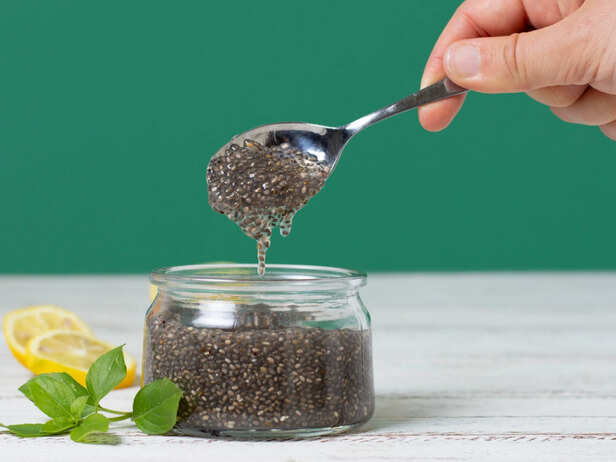
Chia Seeds
Image credit : FREEPIK
For most healthy adults, chia seeds can be a nutritious addition to a balanced diet. But people with certain digestive problems, low blood pressure, kidney conditions, allergies or specific medications may need extra caution. Knowing who should limit them, how to introduce them gradually and why hydration matters can help prevent an otherwise healthy food from becoming an uncomfortable experience.
Chia seeds have become a favourite among people looking for an easy way to add fibre, healthy fats and nutrients to their diet. A spoonful can be mixed into water, yoghurt, smoothies or breakfast bowls, making them incredibly convenient.
But there is an important detail that often gets overlooked: a healthy food is not automatically suitable for everyone in every amount.
Because chia seeds are extremely high in fibre and absorb a significant amount of liquid, eating too much or eating them without considering an existing health condition can cause problems for some people.
![Chia Seeds and Digestive Health]()
Chia seeds contain a large amount of dietary fibre, which can be helpful for regular bowel movements. However, suddenly adding a lot of fibre can cause gas, bloating, cramps or changes in bowel habits. People who already have digestive discomfort may therefore need to start with a small amount rather than eating several spoonfuls immediately. Pay attention to how your body responds and increase intake gradually if tolerated. Drinking enough fluid is also important because chia seeds absorb water and expand. Persistent digestive symptoms should be discussed with a healthcare professional.
![Chia Seeds and Blood Pressure]()
Chia seeds contain nutrients that may contribute to cardiovascular health, but people who already have low blood pressure should be more cautious about making large dietary changes. If blood pressure becomes too low, symptoms such as dizziness, weakness or light-headedness can occur. The risk may also matter more for people taking blood-pressure-lowering medication. Chia seeds should not be treated as a way to lower blood pressure without medical guidance. If you regularly experience low readings or related symptoms, speak with your doctor before making chia seeds a large part of your daily diet.
Chia seeds contain omega-3 fatty acids, and they may have effects that are relevant to blood clotting. For people taking anticoagulants or other medicines that affect bleeding, this is a reason to be cautious rather than experimenting with large amounts. It does not mean everyone taking a blood thinner must automatically stop eating chia seeds. The important issue is individual circumstances, medication and overall intake. If you take prescription blood-thinning medicine, talk to your healthcare professional before significantly increasing chia consumption or adding concentrated supplements.
People with food allergies should introduce unfamiliar foods carefully, particularly if they have previously experienced reactions to seeds. Chia is a different seed from sesame, mustard and flax, so an allergy to one does not automatically mean a person will be allergic to chia. However, anyone with a history of serious food allergies should take new foods seriously. Symptoms such as itching, swelling, hives, vomiting or breathing difficulty require prompt medical attention. Do not assume that a food is safe simply because it is marketed as a natural or healthy ingredient.
Chia seeds contain minerals including phosphorus and potassium. For people with certain kidney conditions, the body may have difficulty maintaining healthy levels of these minerals. That means the amount considered reasonable for a healthy person may not be appropriate for someone following a kidney-specific diet. If you have kidney disease or have been advised to restrict potassium or phosphorus, do not decide your chia intake based on general wellness advice alone. Your doctor or dietitian can tell you whether chia seeds fit your individual nutritional requirements.
Chia seeds absorb liquid and swell considerably, which is why preparation and hydration matter. Instead of suddenly consuming large quantities, start with a modest serving and see how your digestive system responds. Many people prefer soaking the seeds in water, milk or another liquid before eating them. Drink enough fluids throughout the day, especially when increasing fibre intake. Most importantly, do not assume that more is better. A small, consistent amount can be more practical than taking large servings in the hope of getting faster health benefits.
The biggest mistake is treating chia seeds like a miracle food that everyone should eat in unlimited amounts. They can provide fibre, omega-3 fatty acids and other nutrients, but your individual health needs still matter. Start slowly, stay hydrated and consider your medications and existing conditions. If you have kidney disease, significant digestive problems, low blood pressure, a serious food allergy or take blood-thinning medication, professional advice is especially important. Healthy eating is not about following the latest trend blindly. It is about choosing foods that suit your body and your circumstances.
Discover expert advice and the latest updates in Skin Care, Hair Care, Wellness, Dermatology, and more at Stay Young guide to lasting beauty and holistic health!
But there is an important detail that often gets overlooked: a healthy food is not automatically suitable for everyone in every amount.
Because chia seeds are extremely high in fibre and absorb a significant amount of liquid, eating too much or eating them without considering an existing health condition can cause problems for some people.
Sensitive Digestion Needs Extra Care
Chia Seeds and Digestive Health
Image credit : FREEPIK
Chia seeds contain a large amount of dietary fibre, which can be helpful for regular bowel movements. However, suddenly adding a lot of fibre can cause gas, bloating, cramps or changes in bowel habits. People who already have digestive discomfort may therefore need to start with a small amount rather than eating several spoonfuls immediately. Pay attention to how your body responds and increase intake gradually if tolerated. Drinking enough fluid is also important because chia seeds absorb water and expand. Persistent digestive symptoms should be discussed with a healthcare professional.
Low Blood Pressure Requires Caution

Chia Seeds and Blood Pressure
Image credit : FREEPIK
Chia seeds contain nutrients that may contribute to cardiovascular health, but people who already have low blood pressure should be more cautious about making large dietary changes. If blood pressure becomes too low, symptoms such as dizziness, weakness or light-headedness can occur. The risk may also matter more for people taking blood-pressure-lowering medication. Chia seeds should not be treated as a way to lower blood pressure without medical guidance. If you regularly experience low readings or related symptoms, speak with your doctor before making chia seeds a large part of your daily diet.
Blood Thinners Change the Equation
Allergies Should Not Be Ignored
Kidney Problems Need Individual Advice
How to Eat Chia Seeds More Safely
The Real Chia Seed Mistake
Discover expert advice and the latest updates in Skin Care, Hair Care, Wellness, Dermatology, and more at Stay Young guide to lasting beauty and holistic health!