
9 Vegetarian Foods High in Vitamin B12 You Should Know
Noopur Kumari | Aug 14, 2026, 10:35 IST

Vitamin B12
Image credit : FREEPIK
If you follow a vegetarian diet, the right food choices can make it easier to include vitamin B12 in your daily routine. Milk, yoghurt, cheese and eggs are natural vegetarian sources, while fortified cereals, plant-based drinks, nutritional yeast and other fortified products can help fill the gap. The important point is to check food labels because B12 content can vary between products. Here are nine vegetarian choices worth knowing about.
Vitamin B12 is an important nutrient that helps keep the blood and nervous system healthy and supports DNA production. For vegetarians, getting enough B12 can require a little more attention because natural B12 is mainly found in animal foods. However, vegetarians who consume dairy and eggs can get B12 from these foods, while fortified products can provide useful options for people who avoid animal products.
![Milk: A Simple Source of Vitamin B12]()
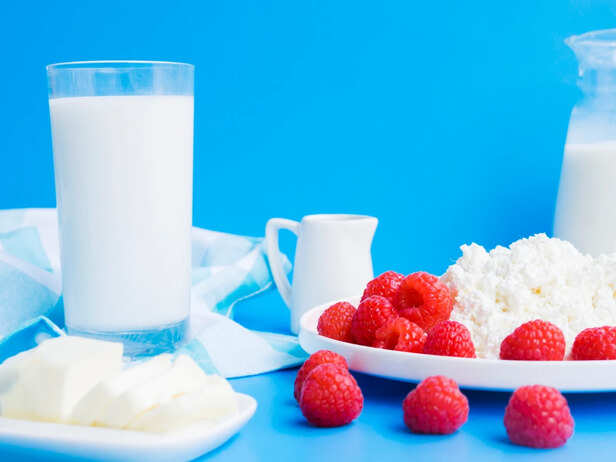
Milk is one of the easiest vegetarian sources of vitamin B12 for people who consume dairy. It can be added to breakfast, tea, coffee, smoothies or enjoyed on its own. Dairy foods such as milk are recognised sources of B12, making them useful in a balanced vegetarian diet. Choosing unsweetened or lower-fat options can also help keep the overall diet balanced. If you regularly consume dairy, including milk as part of meals and snacks can be a simple way to support your B12 intake.
![Yoghurt for Everyday B12]()
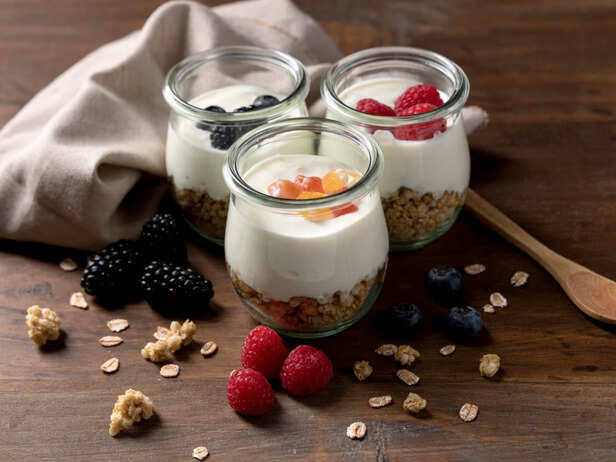
Yoghurt can be an easy addition to a vegetarian diet and provides several nutrients alongside vitamin B12. It works well with fruit, oats, nuts or as part of a savoury meal. Dairy products, including yoghurt, are recognised sources of B12, although the exact amount depends on the product. Checking the nutrition label can help you understand how much B12 a particular yoghurt provides. For a practical everyday choice, plain or unsweetened yoghurt can fit easily into breakfast, lunch or an evening snack.
Cheese is another vegetarian-friendly dairy food that naturally contains vitamin B12. It can be used in sandwiches, salads, wraps, vegetable dishes or simple snacks. The amount of B12 varies between different types and portions, so it is better to view cheese as one part of a varied diet rather than depend on it alone. Choosing moderate portions can help maintain a balanced diet. For vegetarians who eat dairy regularly, cheese can be a convenient way to include B12 in familiar meals.
Eggs are a practical vegetarian food that can contribute vitamin B12 to the diet. They are also a useful source of protein and can be prepared in many ways, including boiled, scrambled or added to meals. Health authorities list eggs among natural sources of vitamin B12. However, the amount of B12 obtained depends on how many eggs you eat and your overall diet. Including eggs alongside dairy foods and other nutritious choices can help create a varied vegetarian eating pattern.
Fortified breakfast cereals can be particularly helpful for vegetarians because vitamin B12 is not naturally present in plant foods. Some cereals have B12 added during manufacturing, so the amount can differ considerably between products. Always check the nutrition label for vitamin B12 before buying. A fortified cereal served with milk or a fortified plant-based drink can create a convenient breakfast that combines several nutrients. For vegans, fortified cereals may be especially useful as part of a reliable B12 strategy.
Unsweetened soy drinks fortified with vitamin B12 can be a useful alternative for people who do not consume dairy. Unlike ordinary plant foods, fortified products have vitamin B12 added to them, so checking the label is essential. Some fortified soy drinks also provide other nutrients such as calcium and vitamin D. They can be used with breakfast cereal, oats, smoothies or simply enjoyed as a drink. If you are choosing a plant-based milk alternative specifically for B12, look for clear fortification information on the package.
7. Fortified
Nutritional yeast can be a useful option for people following vegetarian or vegan diets, but an important distinction matters: not all nutritional yeast naturally contains vitamin B12. Some products are fortified with B12, making them a convenient source. It can be sprinkled over pasta, salads, soups, vegetables or other savoury foods. Always check the packaging to confirm that vitamin B12 has been added. For people who avoid dairy and eggs, fortified nutritional yeast can be one practical way to include B12 in meals.
Plant-based yoghurt can be another option for people who avoid dairy, but its B12 content depends entirely on the product. Some fortified alternatives contain added vitamin B12, while others may not. Reading the nutrition label is therefore important before treating a plant-based yoghurt as a B12 source. Look for products that clearly state vitamin B12 fortification. Choosing an unsweetened variety can also support a balanced diet. Used with fruit, oats or nuts, fortified plant yoghurt can become an easy breakfast or snack.
Some soy-based foods are fortified with vitamin B12, giving vegetarians another option beyond dairy and eggs. However, B12 is not naturally present in ordinary plant foods, so the word “fortified” is important when choosing these products. Check the nutrition label to see whether vitamin B12 has been added and how much each serving provides. Fortified soy foods can be combined with vegetables, grains and other protein sources to create varied meals. This makes them especially useful for people who want to reduce or avoid dairy.
Vitamin B12 needs special attention because plant foods do not naturally provide it unless they are fortified. Adults generally need about 2.4 micrograms of vitamin B12 per day, although needs can differ during pregnancy and breastfeeding. Vegetarians who eat eggs and dairy may obtain B12 from these foods, while vegans generally need reliable fortified foods or a supplement. If you are concerned about deficiency or have symptoms such as persistent tiredness or neurological changes, speak with a healthcare professional rather than relying only on dietary changes.
Discover expert advice and the latest updates in Skin Care, Hair Care, Wellness, Dermatology, and more at Stay Young guide to lasting beauty and holistic health!
1. Milk
Milk: A Simple Source of Vitamin B12
Image credit : FREEPIK
Milk is one of the easiest vegetarian sources of vitamin B12 for people who consume dairy. It can be added to breakfast, tea, coffee, smoothies or enjoyed on its own. Dairy foods such as milk are recognised sources of B12, making them useful in a balanced vegetarian diet. Choosing unsweetened or lower-fat options can also help keep the overall diet balanced. If you regularly consume dairy, including milk as part of meals and snacks can be a simple way to support your B12 intake.
2. Yoghurt
Yoghurt for Everyday B12
Image credit : FREEPIK
Yoghurt can be an easy addition to a vegetarian diet and provides several nutrients alongside vitamin B12. It works well with fruit, oats, nuts or as part of a savoury meal. Dairy products, including yoghurt, are recognised sources of B12, although the exact amount depends on the product. Checking the nutrition label can help you understand how much B12 a particular yoghurt provides. For a practical everyday choice, plain or unsweetened yoghurt can fit easily into breakfast, lunch or an evening snack.
3. Cheese
4. Eggs
5. Fortified Breakfast Cereals
6. Fortified Soy Drinks
7. Fortified Nutritional Yeast
8. Fortified Plant-Based Yoghurt
9. Fortified Soy Foods
What Vegetarians Should Remember
Discover expert advice and the latest updates in Skin Care, Hair Care, Wellness, Dermatology, and more at Stay Young guide to lasting beauty and holistic health!