
Why You Should Never Ignore These Cervical Infection Symptoms
Noopur Kumari | Jul 06, 2026, 10:25 IST

Cervical Infection
Image credit : ChatGPT(ai)
Cervicitis is an inflammation of the cervix that may result from sexually transmitted infections (STIs), bacterial imbalance, allergic reactions, or irritation caused by certain products. While some women experience no symptoms, others may notice abnormal vaginal discharge, bleeding between periods, pain during intercourse, or discomfort while urinating. Early diagnosis and appropriate treatment are important to prevent complications. This article explains the symptoms, causes, prevention, and treatment of cervicitis in simple and easy-to-understand language.
What if your body was trying to warn you about an infection but the signs were so subtle that you barely noticed them? Many women assume that unusual vaginal discharge, mild pelvic discomfort, or light spotting are temporary issues that will disappear on their own. But in some cases, these symptoms may point to cervicitis, an inflammation of the cervix that often develops quietly. The surprising part is that many women experience no symptoms at all, allowing the infection to progress unnoticed. Knowing the warning signs early can help prevent complications and protect your reproductive health.
![Understanding the Cervix and Cervicitis]()
The cervix is the lower part of the uterus that connects to the vagina. When it becomes inflamed, the condition is called cervicitis. One of the biggest challenges is that many women do not experience noticeable symptoms, especially in the early stages. Because of this, the condition may only be discovered during a routine gynecological examination. Regular check-ups play an important role in detecting problems before they become more serious.
![Common Symptoms of Cervical Infection]()
Although some women have no symptoms, others may notice unusual vaginal discharge that appears yellow, green, gray, or has a foul odor. Other signs include spotting between periods, bleeding after intercourse, pain during sex, pelvic discomfort, frequent urination, or a burning sensation while urinating. These symptoms can also occur with other conditions, making medical evaluation important for an accurate diagnosis.
What Causes a
Cervicitis can develop for several reasons. Common causes include sexually transmitted infections such as chlamydia, gonorrhea, trichomoniasis, and genital herpes. It may also result from bacterial vaginosis, which occurs when the normal balance of vaginal bacteria changes. In some cases, irritation from latex condoms, spermicides, scented feminine hygiene products, or douching can trigger inflammation without an infection being present.
Why
Ignoring cervicitis may allow the underlying cause to persist, increasing the risk of complications such as pelvic infections. If the inflammation is caused by an untreated sexually transmitted infection, it may spread to other reproductive organs. Early diagnosis allows doctors to identify the exact cause and recommend the most appropriate treatment, helping reduce symptoms and prevent further health problems.
Protecting cervical health often begins with simple daily habits. Using condoms during sexual activity helps reduce the risk of sexually transmitted infections. Avoid using scented soaps, douches, or harsh intimate hygiene products, as they may irritate the cervix or disrupt the natural balance of vaginal bacteria. Maintaining good hygiene and attending regular gynecological check-ups are also important preventive measures.
Diagnosis usually involves discussing symptoms, performing a pelvic examination, and, if needed, collecting samples to test for infections. Treatment depends on the underlying cause. Bacterial infections are commonly treated with antibiotics, while antiviral medications may be prescribed for herpes infections. If irritation is caused by an allergic reaction or chemical product, avoiding the trigger is often an important part of recovery.
Many women dismiss mild symptoms because they seem unimportant or temporary. However, your body often gives early signals when something isn't right. Persistent unusual discharge, unexplained bleeding, pelvic pain, or discomfort during urination should never be ignored. Seeking medical advice early not only helps identify cervicitis but also rules out other conditions that may require prompt treatment. Paying attention today can protect your health in the future.
Discover expert advice and the latest updates in Skin Care, Hair Care, Wellness, Dermatology, and more at Stay Young guide to lasting beauty and holistic health!
Why Cervicitis Often Goes Unnoticed

Understanding the Cervix and Cervicitis
Image credit : freepik
The cervix is the lower part of the uterus that connects to the vagina. When it becomes inflamed, the condition is called cervicitis. One of the biggest challenges is that many women do not experience noticeable symptoms, especially in the early stages. Because of this, the condition may only be discovered during a routine gynecological examination. Regular check-ups play an important role in detecting problems before they become more serious.
The Warning Signs You Should Never Ignore
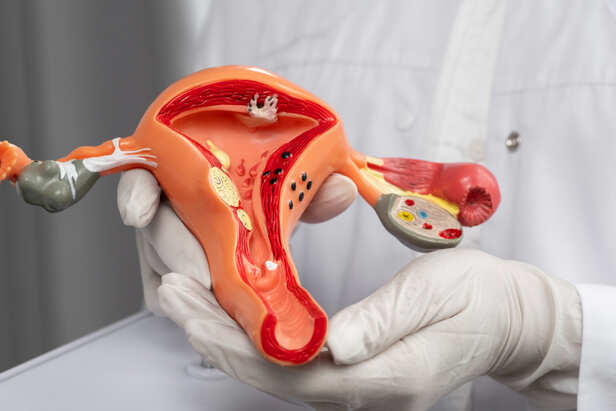
Common Symptoms of Cervical Infection
Image credit : freepik
Although some women have no symptoms, others may notice unusual vaginal discharge that appears yellow, green, gray, or has a foul odor. Other signs include spotting between periods, bleeding after intercourse, pain during sex, pelvic discomfort, frequent urination, or a burning sensation while urinating. These symptoms can also occur with other conditions, making medical evaluation important for an accurate diagnosis.
What Causes a Cervical Infection ?
Why Early Treatment Matters
Simple Habits That Lower Your Risk
How Doctors Diagnose and Treat Cervicitis
Listening to Your Body Can Protect Your Health
Discover expert advice and the latest updates in Skin Care, Hair Care, Wellness, Dermatology, and more at Stay Young guide to lasting beauty and holistic health!