The metabolism-slowing-in-winter claim has just enough truth in it to survive. Brown adipose tissue does become more active in cold, burning calories to generate heat. But for most urban Indians spending their days in heated offices, heated cars, and heated homes, cold exposure is brief and mild. The thermogenic effect is real; the scale it operates at is not the explanation for three extra kilos by February.
What the cortisol curve actually does in winter
Reduced daylight shortens the window in which cortisol naturally peaks and falls across the day. Cortisol is not simply a stress hormone, it also regulates appetite, energy availability, and the timing of hunger signals. When the peak shifts earlier and the evening drop happens sooner, many people notice hunger arriving later in the day, closer to dinner, and persisting into the night. This is not a character flaw. It is a circadian rhythm responding to light. The problem is that the foods most available and most appealing after dark in winter, dals with extra ghee, rice, bread, mithai at family gatherings, are calorie-dense in a way that a summer salad at 7 pm is not.
![Warm Water & Cinnamon]()
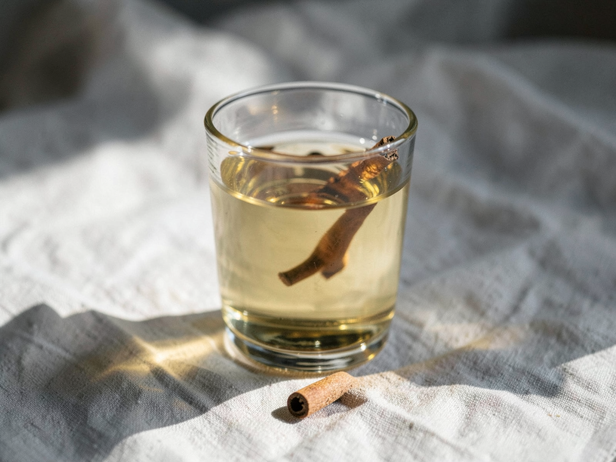
Warm Water & Cinnamon
Image credit : AI
A comforting glass of warm water with cinnamon, a simple ritual. Understanding winter eating habits and weight is key.
The movement gap nobody counts
The actual driver of most winter weight gain is a straightforward reduction in incidental movement. Morning walks get skipped because the air is cold. Evening runs get skipped because it is dark by 6 pm. Weekend outings shrink. Steps that happened without any intention, walking to a chai stall, standing at a bus stop, moving between floors at work, quietly disappear. A reduction of two thousand steps a day across ninety days is not dramatic in any single moment. Accumulated, it represents a meaningful caloric deficit that never gets made up. Structured exercise often stays consistent because it feels like a commitment; incidental movement vanishes because it never felt like exercise in the first place.
Social eating has a season
Between Diwali and the new year, the social calendar in most Indian households runs at a density it does not reach at any other time. Weddings, family visits, office parties, and festive meals arrive in close succession. Each individual occasion is not the problem. The problem is that each one is treated as an exception, while the exceptions run for ten weeks. Alcohol consumption also rises in this window for many people, adding calories that arrive without any corresponding sense of fullness. The body does not distinguish festive calories from any other kind.
![Winter's Cozy Snack]()
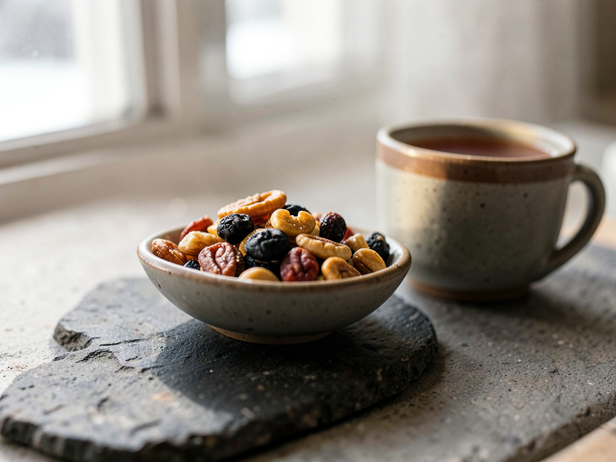
Winter's Cozy Snack
Image credit : AI
My winter eating habits include this comforting bowl of nuts and tea, a perfect way to embrace the season.
Why blaming metabolism is the more comfortable story
Attributing weight gain to a biological process feels less confronting than attributing it to choices. Metabolism is something that happens to you; behaviour is something you do. But the distinction matters practically. If the cause is metabolic, the solution requires waiting for spring. If the cause is behavioural, fewer steps, later and larger meals, more frequent social eating, less sleep because evenings run long, then each of those has a specific, addressable lever. Sleep is worth naming here: shortened nights raise ghrelin, the hormone that signals hunger, and reduce leptin, the hormone that signals fullness. One late night does little. A season of them shifts the baseline.
What actually helps
The most effective single intervention is protecting morning movement before the social calendar fills the evening. Not because morning exercise burns more fat, it does not, in any meaningful way, but because it is the slot least vulnerable to being displaced. Beyond that, treating the festive season as a period of maintenance rather than loss removes the psychological pressure that tends to produce either rigid restriction or complete abandon. Neither extreme serves the twelve weeks that follow. The body does not need to be fought in winter. It needs slightly more deliberate management than summer demands, because the environment has quietly removed several of the automatic behaviours that kept things steady.
Discover expert advice and the latest updates in
Skin Care,
Hair Care,
Wellness,
Dermatology, and more at
Stay Young guide to lasting beauty and holistic health!