
The Hidden Side Effects of Charcoal Toothpaste No One Talks About
Vaishnavi Mall | Mar 03, 2026, 11:00 IST

Whitening or Hidden
Image credit : Feeepik
For natural oral care and rapid teeth whitening, charcoal toothpaste has gained popularity. A lot of individuals think it's a better and safer option than ordinary toothpaste. Some adverse effects, nevertheless, are rarely talked about. For some users, the risks such as enamel degradation and increased dental sensitivity may exceed the advantages. Before incorporating charcoal toothpaste into their daily routine, readers can make educated judgments regarding their oral health by reading this article's straightforward explanation of the hidden risks.
The appearance of charcoal toothpaste differs from that of ordinary toothpaste. It is frequently advertised as a natural whitening remedy and is bold and black. Influencers' remarkable before and after results on social media have increased its popularity. Since charcoal is made of natural substances, many people turn to it since they believe it to be safe. However, "natural" does not always imply "harmless." Concerns over the long term effects of charcoal on teeth have been voiced by dentists. Although it might initially eliminate stains, frequent use might lead to issues that are difficult to resolve. It's crucial to comprehend any potential negative effects before incorporating it into your everyday regimen.
![Charcoal Toothpaste]()
The abrasiveness of charcoal toothpaste is one of the main issues. Particles of charcoal are naturally abrasive. This coarse texture aids in removing surface stains brought on by smoking, coffee, or tea. For this reason, a lot of consumers initially experience a minor whitening impact. However, enamel can be eroded by the same roughness that eliminates stains. Your teeth's outer layer of protection is called enamel. Although it is powerful, it is not unbreakable. Enamel cannot regenerate once it has been damaged. Unlike skin or bones, enamel cannot be repaired by the body. Daily usage of charcoal toothpaste, particularly when brushing vigorously, can gradually erode the layer of enamel. People frequently do not first detect this damage since it occurs gradually. Teeth may eventually appear dull or somewhat translucent around the margins. As the inner yellow layer becomes more apparent, the whitening effect may actually diminish. Many brands fail to disclose the abrasiveness of their product. Regular users might be taking a chance on long-term harm for short-term stain removal if they are unaware of the precise degree of abrasiveness.
Increased
![Tooth Sensitivity]()
Another problem that may arise from using charcoal toothpaste frequently is tooth sensitivity. Dentin, the layer beneath enamel, becomes visible when enamel thins. Tiny tubules found in dentin link to the nerves inside the tooth. The sensation swiftly reaches the nerve when hot tea, cold water, or sweet foods come into contact with exposed dentin. This results in the sudden, intense discomfort that many refer to as sensitivity. Some users might believe it's merely a fleeting emotion. They may even feel a little better after switching toothpaste for a few days. However, the sensitivity could persist or even worsen if enamel loss is the true cause. Sometimes people quit using charcoal, but the harm has already been done. Sensitivity can cause discomfort in day-to-day living. Eating ice cream or drinking coffee might turn into unpleasant experiences. Comfort shouldn't be sacrificed for whitening. It is an indication that something is wrong if toothpaste continues to produce discomfort.
The absence of fluoride in some charcoal toothpastes is another unspoken problem. Because it fortifies enamel and helps prevent cavities, fluoride is crucial. It shields teeth from bacterial and sugary food induced acid assaults. People might not thoroughly review the ingredient list while selecting charcoal toothpaste for teeth whitening. The teeth lose a crucial layer of defense if the product is devoid of fluoride. Over time, this may raise the risk of cavities. Many people prioritize tooth color over preventing decay. Teeth health is not correlated with a whiter smile. Even teeth that appear bright and clean can develop cavities. Daily brushing might not offer sufficient protection against bacteria and plaque without fluoride. It is crucial to ensure that someone is not completely giving up fluoride if they still choose to use charcoal toothpaste on occasion. Priority should always be given to oral health.
![Whiten Teeth]()
Charcoal toothpaste is frequently marketed as a potent whitening agent. In actuality, though, it is limited to surface stains. These are stains on the tooth's outer layer that are brought on by food, drink, or smoking. Tooth discolouration comes in two varieties. Intrinsic stains originate from within the tooth, whereas extrinsic stains are visible on the outside. Trauma, drugs, and aging can all result in intrinsic stains. The tooth's inside color cannot be altered by charcoal. This implies that those who anticipate drastic whitening could be let down. The first brightness might not actually represent a change in tooth color, but rather the elimination of surface stains. Professional procedures or dentist-recommended whitening products are typically more successful for deeper discolouration. Frustration can result from using charcoal toothpaste for months in the hopes of seeing a significant change. The marketing claims might not be supported by the outcomes. Sometimes, in an attempt to achieve a whitening effect that charcoal cannot, people may harm their enamel.
Discover expert advice and the latest updates in Skin Care, Hair Care, Wellness, Dermatology, and more at Stay Young guide to lasting beauty and holistic health!
1. Is charcoal toothpaste safe for daily use?
Charcoal toothpaste may not be ideal for daily use because it can be abrasive. Regular use may slowly wear down enamel, which does not grow back once damaged.
2. Does charcoal toothpaste really whiten teeth?
It can remove surface stains caused by coffee, tea, or smoking. However, it does not change the natural inner color of teeth or treat deep discoloration.
3. Can charcoal toothpaste cause tooth sensitivity?
Yes, frequent use may lead to enamel thinning. When enamel becomes weaker, teeth can become sensitive to hot, cold, or sweet foods.
4. Does charcoal toothpaste contain fluoride?
Not all charcoal toothpastes contain fluoride. Fluoride is important for preventing cavities and strengthening enamel, so always check the label before buying.
5. Is charcoal toothpaste better than regular toothpaste?
It depends on your goal. For stain removal, it may help slightly. But for overall dental health, a fluoride toothpaste recommended by dentists is usually safer for daily use.
Enamel Erosion Is Charcoal Too Abrasive for Daily Use?
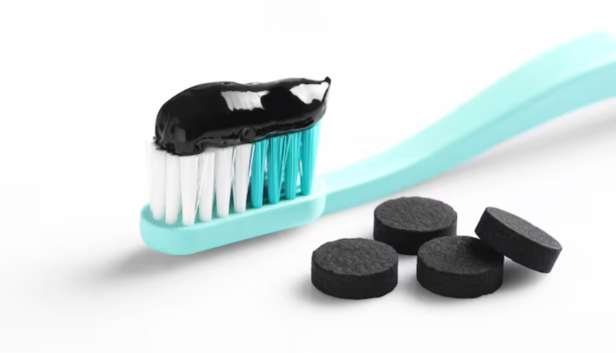
Charcoal Toothpaste
Image credit : Freepik
The abrasiveness of charcoal toothpaste is one of the main issues. Particles of charcoal are naturally abrasive. This coarse texture aids in removing surface stains brought on by smoking, coffee, or tea. For this reason, a lot of consumers initially experience a minor whitening impact. However, enamel can be eroded by the same roughness that eliminates stains. Your teeth's outer layer of protection is called enamel. Although it is powerful, it is not unbreakable. Enamel cannot regenerate once it has been damaged. Unlike skin or bones, enamel cannot be repaired by the body. Daily usage of charcoal toothpaste, particularly when brushing vigorously, can gradually erode the layer of enamel. People frequently do not first detect this damage since it occurs gradually. Teeth may eventually appear dull or somewhat translucent around the margins. As the inner yellow layer becomes more apparent, the whitening effect may actually diminish. Many brands fail to disclose the abrasiveness of their product. Regular users might be taking a chance on long-term harm for short-term stain removal if they are unaware of the precise degree of abrasiveness.
Increased Tooth Sensitivity Over Time

Tooth Sensitivity
Image credit : Freepik
Another problem that may arise from using charcoal toothpaste frequently is tooth sensitivity. Dentin, the layer beneath enamel, becomes visible when enamel thins. Tiny tubules found in dentin link to the nerves inside the tooth. The sensation swiftly reaches the nerve when hot tea, cold water, or sweet foods come into contact with exposed dentin. This results in the sudden, intense discomfort that many refer to as sensitivity. Some users might believe it's merely a fleeting emotion. They may even feel a little better after switching toothpaste for a few days. However, the sensitivity could persist or even worsen if enamel loss is the true cause. Sometimes people quit using charcoal, but the harm has already been done. Sensitivity can cause discomfort in day-to-day living. Eating ice cream or drinking coffee might turn into unpleasant experiences. Comfort shouldn't be sacrificed for whitening. It is an indication that something is wrong if toothpaste continues to produce discomfort.
Lack of Fluoride Protection
Limited Whitening Results Surface Stains Only
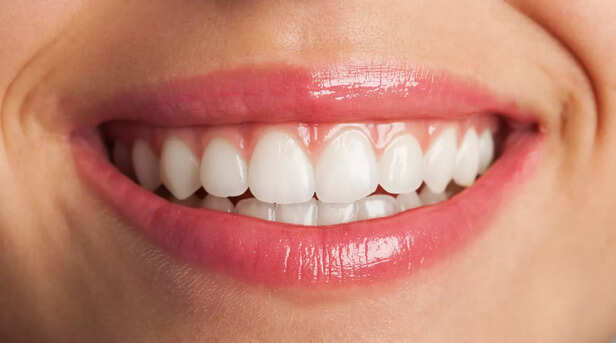
Whiten Teeth
Image credit : Freepik
Charcoal toothpaste is frequently marketed as a potent whitening agent. In actuality, though, it is limited to surface stains. These are stains on the tooth's outer layer that are brought on by food, drink, or smoking. Tooth discolouration comes in two varieties. Intrinsic stains originate from within the tooth, whereas extrinsic stains are visible on the outside. Trauma, drugs, and aging can all result in intrinsic stains. The tooth's inside color cannot be altered by charcoal. This implies that those who anticipate drastic whitening could be let down. The first brightness might not actually represent a change in tooth color, but rather the elimination of surface stains. Professional procedures or dentist-recommended whitening products are typically more successful for deeper discolouration. Frustration can result from using charcoal toothpaste for months in the hopes of seeing a significant change. The marketing claims might not be supported by the outcomes. Sometimes, in an attempt to achieve a whitening effect that charcoal cannot, people may harm their enamel.
Discover expert advice and the latest updates in Skin Care, Hair Care, Wellness, Dermatology, and more at Stay Young guide to lasting beauty and holistic health!
Frequently Asked Question (FAQs)
Charcoal toothpaste may not be ideal for daily use because it can be abrasive. Regular use may slowly wear down enamel, which does not grow back once damaged.
2. Does charcoal toothpaste really whiten teeth?
It can remove surface stains caused by coffee, tea, or smoking. However, it does not change the natural inner color of teeth or treat deep discoloration.
3. Can charcoal toothpaste cause tooth sensitivity?
Yes, frequent use may lead to enamel thinning. When enamel becomes weaker, teeth can become sensitive to hot, cold, or sweet foods.
4. Does charcoal toothpaste contain fluoride?
Not all charcoal toothpastes contain fluoride. Fluoride is important for preventing cavities and strengthening enamel, so always check the label before buying.
5. Is charcoal toothpaste better than regular toothpaste?
It depends on your goal. For stain removal, it may help slightly. But for overall dental health, a fluoride toothpaste recommended by dentists is usually safer for daily use.