
5 Everyday Habits That Are Silently Thinning Your Hair
Noopur Kumari | Jul 15, 2026, 09:49 IST

Hair Mistakes Secretly Causing Hair Loss
Image credit : FREEPIK
Hair loss rarely happens overnight. It builds slowly through repeated daily habits that weaken your scalp, damage hair strands, and stress your follicles. From rough hair care to poor nutrition and constant stress, these common mistakes may be stealing your hair's strength. Discover the five everyday habits experts often warn about, why they matter, and the simple changes that can help protect your hair before it's too late.
You notice a few extra strands on your pillow. Then more hair collects in your shower drain. Weeks later, your ponytail feels thinner or your hairline looks different. Most people blame genetics or aging, but the real reason may be hiding in the small choices you make every single day. The surprising part is that these habits often feel completely normal. Could your everyday routine be quietly speeding up hair loss without you realizing it?
![Person Gently Drying Wet Hair]()
Hair is at its weakest when it's wet. Brushing aggressively, rubbing with a rough towel, or tying a tight ponytail immediately after washing can stretch and damage the strands. Over time, repeated pulling weakens the roots, especially around the hairline. Instead, gently pat your hair dry with a soft towel, use a wide-tooth comb, and wait until your hair is mostly dry before styling. Small changes like these can significantly reduce unnecessary hair breakage.
Many people either wash their hair too often or not enough. Overwashing strips away natural oils that protect the scalp, while infrequent washing allows sweat, oil, and product buildup to clog follicles. The goal is balance. Choose a mild shampoo that suits your scalp type and wash according to how oily or dry your scalp feels. A healthy scalp creates the right environment for stronger, healthier hair over time.
Hair dryers, straighteners, and curling irons can slowly weaken your hair's natural protein structure. Daily exposure makes hair dry, brittle, and more likely to snap. Many people mistake this breakage for permanent hair loss. If you regularly use heat styling tools, always apply a heat protectant and lower the temperature whenever possible. Giving your hair a few heat-free days each week allows it to recover and stay stronger.
Your hair depends on nutrients such as protein, iron, zinc, biotin, and vitamins to grow well. Skipping meals, following restrictive diets, or relying heavily on processed foods can leave your follicles undernourished. Since hair is not essential for survival, your body often sends nutrients elsewhere first. Eating balanced meals with eggs, beans, leafy greens, nuts, fruits, and lean proteins can help support stronger and healthier hair growth over time.
Constant stress, poor sleep, and long working hours can disrupt your body's natural hair growth cycle. Many people notice increased shedding months after a stressful period, making the connection easy to miss. A busy professional who ignored rest for months may suddenly experience excessive hair fall without realizing stress played a role. Prioritizing quality sleep, daily exercise, mindfulness, and regular relaxation can help your body recover and support healthier hair.
Hair health depends on consistency, not expensive miracle products. Gentle handling, balanced washing, proper nutrition, reduced heat styling, and effective stress management work together to protect your hair every day. Think of these habits as daily investments rather than quick solutions. The earlier you make these changes, the better your chances of keeping your hair stronger, thicker, and healthier in the long run.
If your hair loss is sudden, occurs in patches, or continues despite improving your routine, it is important to consult a dermatologist. Hair thinning can sometimes be linked to thyroid disorders, iron deficiency, hormonal changes, autoimmune conditions, or certain medications. Early diagnosis often leads to better treatment outcomes. Don't ignore persistent shedding, especially if you notice visible scalp areas or rapid changes in hair density.
Discover expert advice and the latest updates in Skin Care, Hair Care, Wellness, Dermatology, and more at Stay Young guide to lasting beauty and holistic health!
Handle Wet Hair With Care
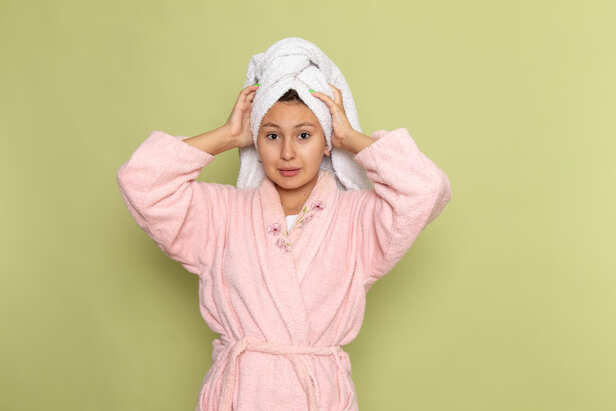
Person Gently Drying Wet Hair
Image credit : freepik
Hair is at its weakest when it's wet. Brushing aggressively, rubbing with a rough towel, or tying a tight ponytail immediately after washing can stretch and damage the strands. Over time, repeated pulling weakens the roots, especially around the hairline. Instead, gently pat your hair dry with a soft towel, use a wide-tooth comb, and wait until your hair is mostly dry before styling. Small changes like these can significantly reduce unnecessary hair breakage.
Wash Your Scalp, Not Just Your Hair
Many people either wash their hair too often or not enough. Overwashing strips away natural oils that protect the scalp, while infrequent washing allows sweat, oil, and product buildup to clog follicles. The goal is balance. Choose a mild shampoo that suits your scalp type and wash according to how oily or dry your scalp feels. A healthy scalp creates the right environment for stronger, healthier hair over time.
Daily Heat Can Do Hidden Damage
Your Diet Shows Up in Your Hair
Stress May Be the Real Culprit
Small Habits Create Big Results
When Hair Loss Needs Medical Attention
Discover expert advice and the latest updates in Skin Care, Hair Care, Wellness, Dermatology, and more at Stay Young guide to lasting beauty and holistic health!