
6 Hair Loss Mistakes You May Be Making in Your 20s
Noopur Kumari | Sept 03, 2026, 09:55 IST

hair loss
Image credit : freepik
Hair loss in your 20s can feel unexpected, but the real trigger may have started months before you noticed the shedding. Stress, restrictive diets, genetics, hormonal changes and harsh hair habits can quietly affect your hair cycle. The surprising part? What looks like sudden hair loss may actually be your body responding to something that happened earlier.
Your 20s are supposed to be the years when you feel young, energetic and confident. So noticing extra hair on your pillow, in the shower or around your hairbrush can come as a shock. The first thought is often simple: Why is this happening to me already?
The surprising truth is that hair loss in your 20s is not always about getting older. Genetics, stress, illness, rapid weight loss, poor nutrition, hormonal changes and even repeated tension from hairstyles can all play a role. Some causes are temporary, while others need early attention.
![Stress and Hair Shedding in Your 20s]()
You may think your hair should fall during the week you are stressed, but the timing can be different. A major illness, emotional pressure, high fever, surgery, significant weight loss or another physical stressor can trigger excessive shedding known as telogen effluvium. The shedding may become noticeable several months after the event, making the original trigger easy to forget. The American Academy of Dermatology says this type of shedding is often temporary, with many people seeing their hair regain normal fullness within about six to nine months after the trigger has passed.
![Early Genetic Hair Thinning]()
One of the biggest surprises about hair loss is that age is not the only factor. Hereditary hair loss can begin as early as the teenage years, although it often becomes noticeable later. In men, it may appear as a gradually receding hairline or thinning around the crown. In women, widening of the part or overall thinning can be an early sign. This does not mean every person with thinning hair has genetic hair loss. Several different causes can look similar at first, which is why identifying the pattern matters before assuming that your genes are responsible.
Trying to lose weight quickly or regularly eating too few calories may affect more than your energy levels. Hair growth also depends on adequate nutrition. The American Academy of Dermatology notes that insufficient iron, protein, zinc or certain other nutrients can contribute to noticeable hair loss. This is especially important for people who follow restrictive diets or frequently skip meals. However, taking random hair supplements is not automatically the answer. Dermatologists recommend checking for an actual deficiency before using supplements such as iron, zinc or biotin because unnecessary supplementation can also cause harm.
Sometimes the problem is not what you are putting into your body, but what you are repeatedly doing to your hair. Tight ponytails, braids and other styles that pull on the roots can cause traction alopecia. Frequent chemical treatments and harsh styling can also damage the hair and contribute to loss. Even aggressive brushing can create unnecessary stress, especially when hair is wet and more vulnerable to breakage. Changing these habits does not guarantee that every type of hair loss will stop, but reducing repeated tension and damage can help protect vulnerable hair from preventable problems.
This is the part many people overlook. Hair loss can sometimes be linked with an underlying health problem rather than a simple hair-care issue. Thyroid disease, nutritional deficiencies, certain infections, hormonal changes and autoimmune conditions can all be associated with hair loss. Some medicines can also contribute to shedding. That is why repeatedly changing shampoos may not solve the real problem. If your hair is suddenly falling out, forming bald patches or becoming noticeably thinner, it is worth discussing the change with a healthcare professional rather than assuming it is simply stress or ageing.
Finding hair on your pillow once is not necessarily a warning sign. People normally shed around 50 to 100 hairs a day. The concern is when the amount becomes noticeably higher, continues over time or appears with other changes such as patchy bald spots or scalp symptoms. Dermatologists stress that finding the cause is the first step because different types of hair loss need different approaches. Some forms may improve naturally, while others benefit from early treatment. Instead of counting every strand, pay attention to persistent changes in density, hairline, parting or the appearance of distinct patches.
The smartest response to persistent hair loss is not to panic or buy every product promising faster growth. Start by looking at the timeline. Think about recent illness, major stress, weight changes, diet, medications, family history and changes in your hair routine. If shedding continues, becomes sudden or patchy, or worries you, speak with a doctor or dermatologist. Depending on your situation, they may examine your scalp and hair and sometimes recommend blood tests or other investigations. The goal is simple: find the reason first, then choose the right solution.
Discover expert advice and the latest updates in Skin Care, Hair Care, Wellness, Dermatology, and more at Stay Young guide to lasting beauty and holistic health!
The surprising truth is that hair loss in your 20s is not always about getting older. Genetics, stress, illness, rapid weight loss, poor nutrition, hormonal changes and even repeated tension from hairstyles can all play a role. Some causes are temporary, while others need early attention.
Your Hair May Be Reacting Late to Stress

Stress and Hair Shedding in Your 20s
Image credit : freepik
You may think your hair should fall during the week you are stressed, but the timing can be different. A major illness, emotional pressure, high fever, surgery, significant weight loss or another physical stressor can trigger excessive shedding known as telogen effluvium. The shedding may become noticeable several months after the event, making the original trigger easy to forget. The American Academy of Dermatology says this type of shedding is often temporary, with many people seeing their hair regain normal fullness within about six to nine months after the trigger has passed.
Genetics Can Start Earlier Than You Expect
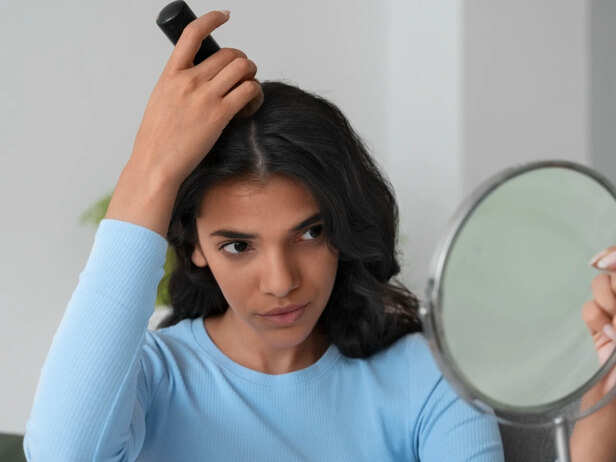
Early Genetic Hair Thinning
Image credit : freepik
One of the biggest surprises about hair loss is that age is not the only factor. Hereditary hair loss can begin as early as the teenage years, although it often becomes noticeable later. In men, it may appear as a gradually receding hairline or thinning around the crown. In women, widening of the part or overall thinning can be an early sign. This does not mean every person with thinning hair has genetic hair loss. Several different causes can look similar at first, which is why identifying the pattern matters before assuming that your genes are responsible.
Your Diet Could Be Part of the Problem
Your Hair Routine May Be Working Against You
A Medical Problem Can Sometimes Hide Behind It
The Biggest Mistake Is Waiting Too Long
What You Should Do When Hair Loss Continues
Discover expert advice and the latest updates in Skin Care, Hair Care, Wellness, Dermatology, and more at Stay Young guide to lasting beauty and holistic health!