We spend a lot of time worrying about our hair.
Is it frizzy? Is it dry? Does it look flat? Should we use another serum?
But there is one part we often forget: the scalp.
Your scalp is where every strand of hair begins. Yet most hair routines focus on the part we can see, not the skin underneath it.
That is starting to change.
Scalp care is becoming a growing part of the hair care conversation, especially among young beauty and wellness audiences. Scalp scrubs, scalp massages, clarifying shampoos and specialised products are showing up everywhere online.
But you do not need a bathroom shelf full of new products. Understanding your scalp may be more useful than simply buying another viral hair product.
Your Scalp Is Skin Too
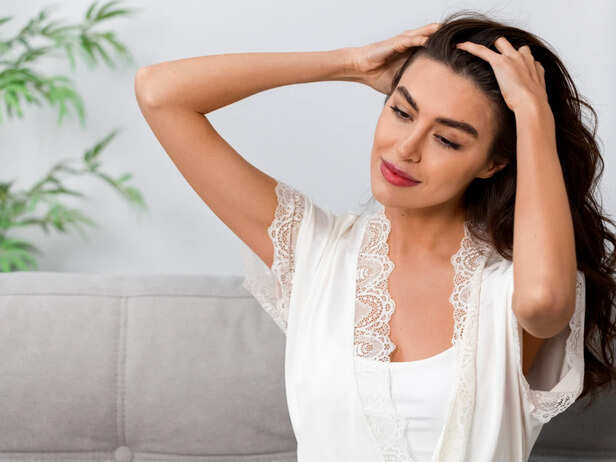
![Giving Your Roots Some Attention]()
Giving Your Roots Some Attention
Image credit : freepik
A gentle scalp massage can make hair care feel more relaxing while helping you focus on scalp health.
The scalp is skin, so it needs basic care just like the skin on your face.
It can become oily, dry or irritated. Sweat, oil and product buildup can also collect around the roots.
This does not mean everyone needs a complicated scalp care routine. It simply means your scalp should not be ignored.
A clean and comfortable scalp creates a better starting point for your overall hair routine.
The first step is knowing what your scalp is like. Does it get oily quickly? Does it feel dry? Do you often notice flakes? Your routine should depend on those needs rather than what happens to be trending online.
Shampoo Is Not the Enemy
With so much talk about “natural” hair care, shampoo sometimes gets treated like a problem.
But shampoo has an important job. It helps remove oil, sweat, dirt and product buildup from the scalp.
The trick is finding one that suits your scalp.
If your scalp gets oily quickly, you may need to wash it more often. If it is dry or easily irritated, a gentler approach may feel better.
There is no universal rule that says everyone should wash their hair on exactly the same schedule.
Your scalp can tell you a lot.
Do Scalp Massages Actually Help?
Scalp massages have become a popular part of healthy hair routines.
They can feel relaxing and may help you enjoy your hair washing routine more. But social media sometimes makes bigger claims about them, especially around dramatic hair growth.
That is where you should be careful.
A massage is not a magic solution for hair loss. If you are experiencing noticeable or sudden shedding, it is better to speak with a dermatologist than depend on viral hacks.
Think of a scalp massage as a relaxing self care habit, not a miracle treatment.
What About Scalp Scrubs and Serums?
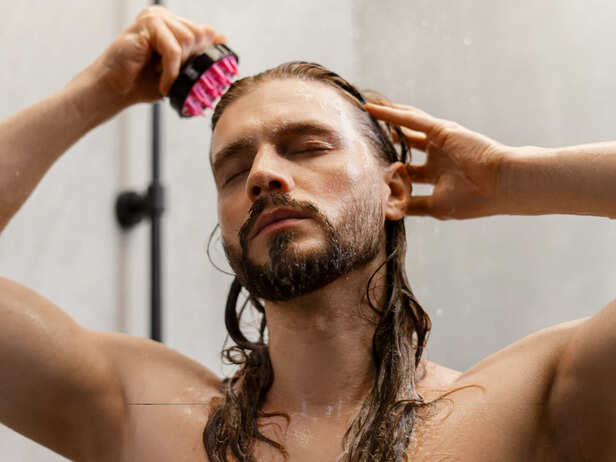
![Giving Your Roots Some Attention]()
Giving Your Roots Some Attention
Image credit : freepik
A gentle scalp massage can make hair care feel more relaxing while helping you focus on scalp health.
This is where scalp care can quickly become complicated.
Scalp scrubs, oils, tonics and serums are everywhere. But more products do not automatically mean better results.
Physical scrubs can be too harsh for some scalps. Strong products may also cause irritation if used too often.
If you want to try something new, introduce one product at a time. Stop if your scalp becomes itchy, painful or irritated.
And remember, a product does not need to be labelled “scalp” to be useful. A suitable shampoo and conditioner may already be enough for many people.
Your Hair Products Can Affect Your Scalp
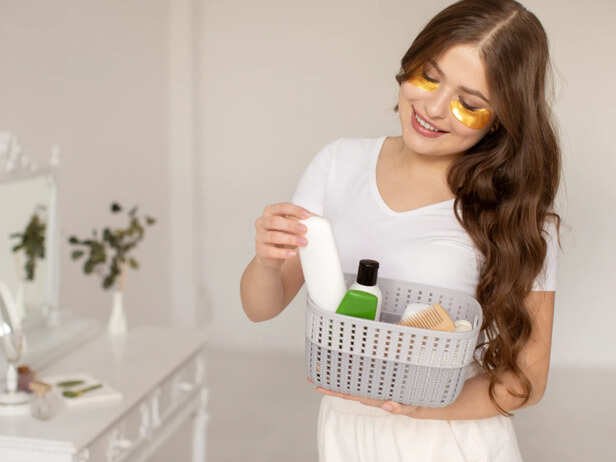
![Not Every Hair Product Is for Everyone]()
Not Every Hair Product Is for Everyone
Image credit : freepik
Choosing hair products based on your scalp and hair needs can make your hair routine more effective.
Sometimes the problem is not your scalp routine. It is what you are putting on your hair.
Heavy oils, styling products and dry shampoo can leave buildup if they are not washed out properly.
This does not mean you have to stop using them.
Instead, pay attention to how your scalp feels after using them. If it becomes greasy, itchy or uncomfortable, your routine may need a change.
Choosing hair products based on your actual needs is smarter than copying someone else's shelf.
When Should You Pay More Attention?
A little oil or an occasional flake is usually not something to panic about.
But ongoing itching, heavy flaking, redness, sores or unusual hair shedding should not simply be blamed on “bad hair.”
These signs can have different causes and may need professional advice.
This is also why viral hair growth tips should be treated carefully. Hair loss can have many possible causes, and one product cannot fix every situation.
The Roots Matter More Than You Think
The biggest lesson from the scalp care trend is actually pretty simple: your hair does not exist separately from your scalp.
You do not need a 10 step routine or every new product on social media. Start with the basics. Keep your scalp clean, choose products that suit it and avoid constantly changing your routine.
If something feels wrong, listen to your scalp instead of following a viral trend.
So the next time you think about upgrading your hair care routine, do not only look at the ends.
Maybe the real starting point has been sitting at your roots all along.
Discover expert advice and the latest updates in
Skin Care,
Hair Care,
Wellness,
Dermatology, and more at
Stay Youngguide to lasting beauty and holistic health!