
Why Your Hairline Shifts With Age and What You Can Actually Do Now
Abhishek Singh | Jul 25, 2026, 19:00 IST

Mature Hairline in Men
Image credit : FreePik
A changing hairline is something many men notice as they get older, but it does not always mean significant hair loss. Genetics, age, lifestyle, stress, and everyday hair care habits can all influence the shape of your hairline. Learn why your hairline changes over time and discover practical tips to maintain healthy hair and scalp health.
Looking in the mirror and noticing that your hairline is not where it used to be can be surprising. For many men, a changing hairline raises concerns about hair loss or thinning hair. While some hairline changes are a natural part of aging, others may be linked to lifestyle habits, stress, or poor scalp care. Understanding why your hairline changes over time can help you take better care of your hair and recognize when it may be worth seeking professional advice. The earlier you understand the possible causes, the easier it becomes to build healthy hair care habits that support long term hair health.
As men get older, it is normal for the hairline to mature slightly. A mature hairline usually moves back a small amount compared to the hairline seen during the teenage years. This change is different from significant hair loss and often happens gradually over several years. Not every change in the hairline is a sign of baldness. Understanding the difference between a naturally maturing hairline and a receding hairline can help reduce unnecessary worry while encouraging good hair care habits.
![Factors That Affect Your Hairline]()
Daily habits play a bigger role in hair health than many people realize. Frequently using high heat for styling, wearing very tight hairstyles, skipping regular scalp care, or using harsh hair products may place unnecessary stress on your hair. Poor nutrition, smoking, and lack of quality sleep can also affect healthy hair growth. While these habits may not directly cause a receding hairline, they can weaken your hair and make thinning more noticeable over time. Building a healthy hair care routine helps support stronger hair and a healthier scalp.
A changing hairline usually happens gradually, making it easy to miss the early signs. You may notice that your forehead appears slightly wider, your temples look less full, or your hair takes longer to style than it used to. Some men also experience increased hair shedding while washing or brushing their hair. These changes do not always mean you are developing significant hair loss, but they are a good reason to pay closer attention to your hair health and scalp health. Taking photos of your hairline every few months can help you notice gradual changes and decide whether your current hair care routine is supporting healthy hair or if it is time to consult a dermatologist.
Genetics are one of the most important factors influencing your hairline, but they are not the only factor. Hormonal changes, stress, medical conditions, and certain medications can also affect hair growth. Two people with a similar family history may experience different patterns of hairline changes because their overall health and daily habits are different. Paying attention to your scalp health, diet, and lifestyle may help support healthier hair even if genetics play a role.
![Healthy Scalp for Healthy Hair]()
A healthy scalp creates the best environment for healthy hair. Excess oil, dandruff, product buildup, and irritation can affect the scalp and make hair appear thinner. Washing your hair with a gentle shampoo, keeping your scalp clean, and avoiding unnecessary scratching can help maintain good scalp health. Choosing products that match your hair type instead of following every new trend is often a better approach. Looking after your scalp is just as important as looking after your hair.
Healthy hair begins with consistent daily care. Eat a balanced diet rich in protein, iron, zinc, and vitamins that support hair growth. Stay hydrated throughout the day and aim for enough quality sleep every night. Limit excessive heat styling and protect your hair from prolonged sun exposure when possible. A gentle hair care routine and regular scalp care can help keep your hair looking healthier and reduce unnecessary damage over time.
A gradually changing hairline can be normal, but sudden hair loss, rapid thinning, bald patches, or excessive shedding deserve professional attention. A dermatologist can examine your scalp, identify possible causes, and recommend appropriate treatments if needed. Early evaluation may help address conditions that affect hair growth before they become more noticeable.
A changing hairline does not always mean you are losing your hair. In many cases, it reflects natural aging, genetics, and the way you care for your hair every day. Focusing on scalp health, following a simple hair care routine, eating a balanced diet, and managing stress can all support healthier hair. Small, consistent habits often have a greater impact than expensive products or quick fixes.
Discover expert advice and the latest updates in Skin Care, Hair Care, Wellness, Dermatology, and more at Stay Young guide to lasting beauty and holistic health.
How Aging Naturally Changes Your Hairline
As men get older, it is normal for the hairline to mature slightly. A mature hairline usually moves back a small amount compared to the hairline seen during the teenage years. This change is different from significant hair loss and often happens gradually over several years. Not every change in the hairline is a sign of baldness. Understanding the difference between a naturally maturing hairline and a receding hairline can help reduce unnecessary worry while encouraging good hair care habits.
The Everyday Habits That Can Affect Your Hairline

Factors That Affect Your Hairline
Image credit : FreePik
Daily habits play a bigger role in hair health than many people realize. Frequently using high heat for styling, wearing very tight hairstyles, skipping regular scalp care, or using harsh hair products may place unnecessary stress on your hair. Poor nutrition, smoking, and lack of quality sleep can also affect healthy hair growth. While these habits may not directly cause a receding hairline, they can weaken your hair and make thinning more noticeable over time. Building a healthy hair care routine helps support stronger hair and a healthier scalp.
The Early Signs Your Hairline May Be Changing
A changing hairline usually happens gradually, making it easy to miss the early signs. You may notice that your forehead appears slightly wider, your temples look less full, or your hair takes longer to style than it used to. Some men also experience increased hair shedding while washing or brushing their hair. These changes do not always mean you are developing significant hair loss, but they are a good reason to pay closer attention to your hair health and scalp health. Taking photos of your hairline every few months can help you notice gradual changes and decide whether your current hair care routine is supporting healthy hair or if it is time to consult a dermatologist.
Why Genetics Are Only Part of the Story
Genetics are one of the most important factors influencing your hairline, but they are not the only factor. Hormonal changes, stress, medical conditions, and certain medications can also affect hair growth. Two people with a similar family history may experience different patterns of hairline changes because their overall health and daily habits are different. Paying attention to your scalp health, diet, and lifestyle may help support healthier hair even if genetics play a role.
How Scalp Health Supports Healthy Hair Growth
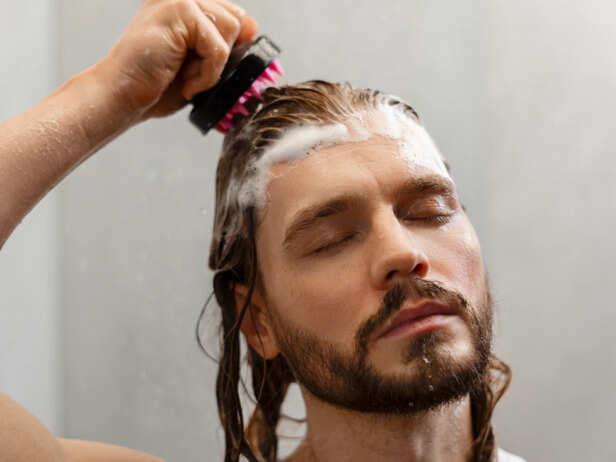
Healthy Scalp for Healthy Hair
Image credit : FreePik
A healthy scalp creates the best environment for healthy hair. Excess oil, dandruff, product buildup, and irritation can affect the scalp and make hair appear thinner. Washing your hair with a gentle shampoo, keeping your scalp clean, and avoiding unnecessary scratching can help maintain good scalp health. Choosing products that match your hair type instead of following every new trend is often a better approach. Looking after your scalp is just as important as looking after your hair.
Simple Habits That Help Keep Your Hair Healthy
Healthy hair begins with consistent daily care. Eat a balanced diet rich in protein, iron, zinc, and vitamins that support hair growth. Stay hydrated throughout the day and aim for enough quality sleep every night. Limit excessive heat styling and protect your hair from prolonged sun exposure when possible. A gentle hair care routine and regular scalp care can help keep your hair looking healthier and reduce unnecessary damage over time.
When You Should Speak With a Dermatologist
A gradually changing hairline can be normal, but sudden hair loss, rapid thinning, bald patches, or excessive shedding deserve professional attention. A dermatologist can examine your scalp, identify possible causes, and recommend appropriate treatments if needed. Early evaluation may help address conditions that affect hair growth before they become more noticeable.
Healthy Hair Starts With Everyday Care
A changing hairline does not always mean you are losing your hair. In many cases, it reflects natural aging, genetics, and the way you care for your hair every day. Focusing on scalp health, following a simple hair care routine, eating a balanced diet, and managing stress can all support healthier hair. Small, consistent habits often have a greater impact than expensive products or quick fixes.
Discover expert advice and the latest updates in Skin Care, Hair Care, Wellness, Dermatology, and more at Stay Young guide to lasting beauty and holistic health.