
7 Monsoon Hair Care Mistakes That Cause Massive Hair Loss
Noopur Kumari | Jul 07, 2026, 09:33 IST

Monsoon Hair Fall
Image credit : freepik
If you've noticed increased hair fall during the rainy season, you're not alone. High humidity, sweaty scalps, fungal infections, poor hair hygiene, and nutritional deficiencies all contribute to seasonal shedding. The good news? With a few simple changes to your routine, you can protect your scalp, reduce hair fall, and keep your hair healthy throughout the monsoon. Here's why your hair suffers during the rainy season and what you can do to stop it.
Every monsoon begins with the smell of fresh rain, cool breezes, and a welcome break from the summer heat. But for many people, it also brings an unexpected problem more hair on the pillow, in the shower, and stuck in the comb. Is the rain really causing your hair to fall? Or is there a hidden reason behind this seasonal shedding? The answer may surprise you. Monsoon hair fall is not just about getting wet in the rain. It's a combination of humidity, scalp health, fungal growth, and daily habits that quietly weaken your hair without you even noticing. Understanding what happens beneath your scalp is the first step toward saving your hair this season.
![Humid Weather Affecting Hair]()
Monsoon air carries high levels of humidity, which makes the scalp damp for longer periods. This extra moisture weakens the roots, causes frizz, and creates the perfect environment for bacteria and fungi to grow. Hair strands become softer and more likely to break while brushing or washing. Even people with naturally healthy hair often notice increased shedding during this season because constant humidity disrupts the scalp's natural balance and reduces overall hair strength.
![Healthy vs Damp Scalp]()
A scalp that stays wet for hours after rain or sweating becomes vulnerable to fungal infections, dandruff, itching, and irritation. These problems weaken hair follicles over time, leading to more hair fall than usual. Many people focus only on the hair strands, but healthy hair begins with a healthy scalp. Drying your hair properly after washing or getting caught in the rain is one of the simplest ways to protect your hair during monsoon.
Your Daily
Many people unknowingly damage their hair by tying it while wet, skipping shampoo after getting drenched, or using excessive heat styling. Wet hair is much weaker than dry hair and breaks easily under pressure. Leaving dirt, rainwater, and sweat on the scalp also increases irritation. Gentle cleansing, using a mild shampoo, and allowing your hair to dry naturally can significantly reduce unnecessary breakage throughout the rainy season.
Hair health depends on more than shampoos and oils. A lack of protein, iron, zinc, biotin, and vitamins can weaken hair roots, making seasonal shedding worse. During monsoon, many people also drink less water and eat fewer fresh foods, which affects overall scalp health. Including eggs, lentils, leafy vegetables, nuts, fruits, and plenty of water in your diet helps strengthen hair from within and supports healthy hair growth.
Monsoon often brings disrupted routines, reduced outdoor activity, and increased stress levels. What many people don't realize is that emotional stress directly affects the hair growth cycle. More hair enters the resting phase and begins falling a few weeks later. Combined with humidity and scalp issues, stress can make hair loss appear much worse. Regular sleep, exercise, and relaxation techniques can help maintain healthier hair throughout the season.
Protecting your hair during monsoon doesn't require expensive treatments. Wash your scalp regularly, avoid sharing combs, dry your hair completely, use a wide-tooth comb, limit chemical styling, and massage your scalp gently with light oil once or twice a week if it suits your hair type. These simple habits improve blood circulation, reduce breakage, and keep your scalp healthy despite changing weather conditions.
Seasonal hair fall is usually temporary, but excessive shedding that lasts for several months should never be ignored. If you notice bald patches, severe itching, scalp pain, or large amounts of hair falling every day, it's important to consult a dermatologist. Sometimes the real cause may be hormonal imbalance, thyroid problems, nutritional deficiencies, or underlying medical conditions that need proper treatment rather than home remedies alone.
Discover expert advice and the latest updates in Skin Care, Hair Care, Wellness, Dermatology, and more at Stay Young guide to lasting beauty and holistic health!
Humidity Is Your Hair's Biggest Invisible Enemy
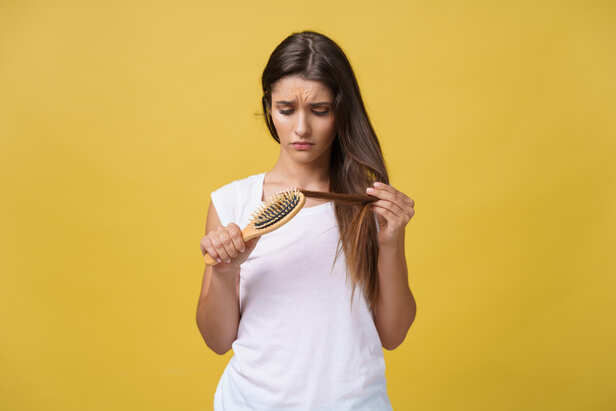
Humid Weather Affecting Hair
Image credit : freepik
Monsoon air carries high levels of humidity, which makes the scalp damp for longer periods. This extra moisture weakens the roots, causes frizz, and creates the perfect environment for bacteria and fungi to grow. Hair strands become softer and more likely to break while brushing or washing. Even people with naturally healthy hair often notice increased shedding during this season because constant humidity disrupts the scalp's natural balance and reduces overall hair strength.
A Damp Scalp Can Trigger More Than Just Hair Fall

Healthy vs Damp Scalp
Image credit : freepik
A scalp that stays wet for hours after rain or sweating becomes vulnerable to fungal infections, dandruff, itching, and irritation. These problems weaken hair follicles over time, leading to more hair fall than usual. Many people focus only on the hair strands, but healthy hair begins with a healthy scalp. Drying your hair properly after washing or getting caught in the rain is one of the simplest ways to protect your hair during monsoon.
Your Daily Hair Care Routine May Be Making It Worse
Your Diet Shows Up in Your Hair Before You Notice
Stress Can Double the Problem Without Warning
Small Habits That Make a Big Difference
When Hair Fall Is a Sign You Shouldn't Ignore
Discover expert advice and the latest updates in Skin Care, Hair Care, Wellness, Dermatology, and more at Stay Young guide to lasting beauty and holistic health!