
10 Glutathione-Rich Foods for Naturally Glowing Skin
Noopur Kumari | Aug 21, 2026, 11:26 IST

Avocado for Antioxidant-Rich Skin Nutrition
Image credit : freepik
Your skin may reveal more about your diet than you realise. Instead of chasing expensive beauty products, everyday foods can provide antioxidants, vitamins, minerals, water and healthy fats that support the body from within. Some foods naturally contain glutathione, while others provide nutrients that help maintain the body's antioxidant defences. From creamy avocado to leafy spinach and refreshing watermelon, these foods can easily fit into everyday meals. Here are 10 options worth adding to your plate if your goal is healthier, well-nourished, naturally radiant-looking skin.
What if your next skin glow-up starts in the kitchen rather than in your skincare cabinet? Glutathione is a naturally occurring antioxidant involved in the body's defence against oxidative stress. It is found in foods such as spinach, asparagus, avocado, broccoli and several fruits and vegetables. Research shows that these foods can provide glutathione itself, while some may also support the body's own antioxidant systems.
But there is an important truth behind the glowing-skin trend: eating glutathione-rich foods does not guarantee lighter or flawless skin. The evidence for glutathione as a skin-lightening treatment remains limited and inconsistent. A better approach is to see these foods as part of a balanced diet that supports overall skin health.
![Avocado for Antioxidant-Rich Skin Nutrition]()
Avocado is more than a trendy toast topping. It naturally contains glutathione and provides healthy monounsaturated fats, fibre and several micronutrients. Research reviews list avocado among plant foods containing measurable glutathione. Its healthy fats can also be part of a balanced diet that supports normal skin function. Add sliced avocado to toast, salads or grain bowls for an easy everyday option. Rather than expecting one food to transform your complexion overnight, think of avocado as one small piece of a nutrient-rich diet that supports healthier-looking skin over time.
![Asparagus]()
Asparagus stands out among vegetables because it naturally contains glutathione. A recent review lists it among the stronger dietary plant sources of this antioxidant. It also provides fibre and other nutrients that make it a useful addition to a balanced meal. Try lightly steaming, roasting or sautéing asparagus instead of heavily processing it. Cooking and food processing can affect glutathione levels, so preparation matters. Pair it with whole grains, beans or a protein source for a more complete meal rather than treating it as a standalone beauty remedy.
Spinach is one of the most practical choices on this list because it is easy to include in everyday meals. It contains glutathione and also provides a range of vitamins, minerals and plant compounds. Add fresh spinach to salads, omelettes, soups or smoothies, or lightly cook it as a side dish. Its value goes beyond one antioxidant. A varied diet rich in vegetables gives your body multiple nutrients that work together. If glowing skin is the goal, regularly eating colourful vegetables is a much more sensible strategy than relying on a single so-called miracle food.
Broccoli may look ordinary, but it is packed with nutritional value. It contains glutathione and belongs to the cruciferous vegetable family, which provides several beneficial plant compounds. Add broccoli to stir-fries, soups, grain bowls or simple roasted vegetable plates. Light cooking can make it easier to enjoy while preserving much of its nutritional value. The bigger picture matters here: broccoli is not going to erase pigmentation or suddenly change your natural skin tone. Its real advantage is contributing antioxidants, fibre and micronutrients to a balanced eating pattern that supports overall health.
Garlic can make a simple meal far more flavourful while adding nutritional value. Research reviews identify garlic among foods containing glutathione, although its amount is lower than some of the richer sources such as spinach, asparagus and avocado. Garlic also contains sulfur-containing compounds that contribute to its distinctive properties. Add fresh garlic to vegetables, soups, lentils or stir-fries rather than relying on it as a standalone skin treatment. The goal is variety. A diet built around vegetables, fruits, legumes, whole grains and quality protein gives your body a much stronger nutritional foundation.
Tomatoes bring more than colour to your plate. They contain small amounts of glutathione and are also a major dietary source of lycopene, a carotenoid with antioxidant properties. Fresh tomatoes work well in salads and sandwiches, while cooked tomatoes can be used in soups, curries and sauces. Rather than claiming tomatoes can prevent wrinkles or reverse sun damage, it is more accurate to view them as part of an antioxidant-rich diet. Combine tomatoes with other colourful vegetables for a wider range of plant nutrients and a more balanced approach to skin-friendly eating.
Watermelon is not one of the richest glutathione sources, but it can still fit beautifully into a skin-friendly diet. Reviews report measurable amounts of glutathione in melons and watermelons, while the fruit is also naturally high in water. That makes it a refreshing choice, especially during hot weather. Enjoy chilled watermelon as a snack or add it to a fruit bowl. Its biggest nutritional appeal is not a magical skin-brightening effect. Instead, it contributes fluid, nutrients and plant compounds as part of a varied diet that supports overall wellbeing and healthy-looking skin.
Cauliflower is another cruciferous vegetable that can help diversify your diet. It contains glutathione and other plant nutrients, making it a useful addition to meals focused on vegetables. Roast it with herbs, add it to curries or use it in soups and grain bowls. You do not need to prepare complicated recipes to benefit from it. The most useful habit is simply eating a variety of vegetables regularly. Skin health depends on many factors, including nutrition, sun exposure, genetics and skincare, so no single vegetable should be expected to do all the work.
Small but nutritious, peas can contribute to a balanced diet while providing plant-based nutrients. Legumes are among the food groups identified as dietary sources of glutathione, and green peas can easily be incorporated into everyday meals. Add them to rice dishes, soups, pasta, salads or vegetable stir-fries. Their convenience makes them particularly useful for busy days. Instead of thinking of peas as a beauty supplement in food form, consider them one part of a varied eating pattern. Combining different vegetables and fruits gives your body a broader range of nutrients than focusing heavily on one ingredient.
Grapefruit combines vitamin C with naturally occurring glutathione, making it an interesting fruit for an antioxidant-rich diet. Reviews have identified grapefruit among fruits containing glutathione. Vitamin C is also an important nutrient for normal collagen production. Enjoy grapefruit fresh or add it to a fruit salad for variety. One important caution: grapefruit can interact with certain medicines, including some cholesterol and blood-pressure medications. If you take prescription medication, check with your doctor or pharmacist before making grapefruit a regular part of your diet.
The biggest mistake is believing that one "superfood" can completely transform your complexion. Glutathione is an important antioxidant, but glowing skin depends on much more than one compound.
A better strategy is to build meals around vegetables, fruits, whole grains, legumes, healthy fats and adequate protein. These foods provide a broad range of nutrients rather than relying on one ingredient.
And remember, dietary glutathione is not the same as a proven skin-whitening treatment. Clinical research on oral glutathione for changing skin pigmentation has produced limited and inconsistent results.
A Simple Way to Add Them
You do not need to eat all 10 foods every day.
Try spinach and avocado at breakfast. Add broccoli, peas or cauliflower to lunch. Use tomatoes and garlic in dinner. Keep watermelon or grapefruit as fruit options when appropriate.
The key is variety and consistency, not perfection.
If you have persistent pigmentation, acne, rashes or sudden changes in your skin, food alone may not address the underlying cause. A dermatologist can help identify what is actually happening instead of leaving you to guess.
Discover expert advice and the latest updates in Skin Care, Hair Care, Wellness, Dermatology, and more at Stay Young guide to lasting beauty and holistic health!
But there is an important truth behind the glowing-skin trend: eating glutathione-rich foods does not guarantee lighter or flawless skin. The evidence for glutathione as a skin-lightening treatment remains limited and inconsistent. A better approach is to see these foods as part of a balanced diet that supports overall skin health.
Avocado
Avocado for Antioxidant-Rich Skin Nutrition
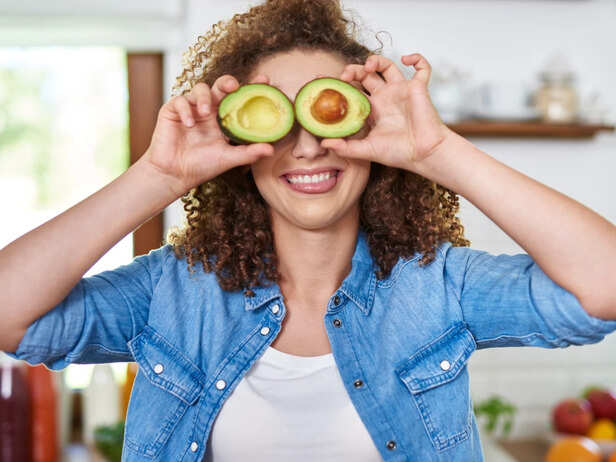
Avocado is more than a trendy toast topping. It naturally contains glutathione and provides healthy monounsaturated fats, fibre and several micronutrients. Research reviews list avocado among plant foods containing measurable glutathione. Its healthy fats can also be part of a balanced diet that supports normal skin function. Add sliced avocado to toast, salads or grain bowls for an easy everyday option. Rather than expecting one food to transform your complexion overnight, think of avocado as one small piece of a nutrient-rich diet that supports healthier-looking skin over time.
Asparagus
Asparagus
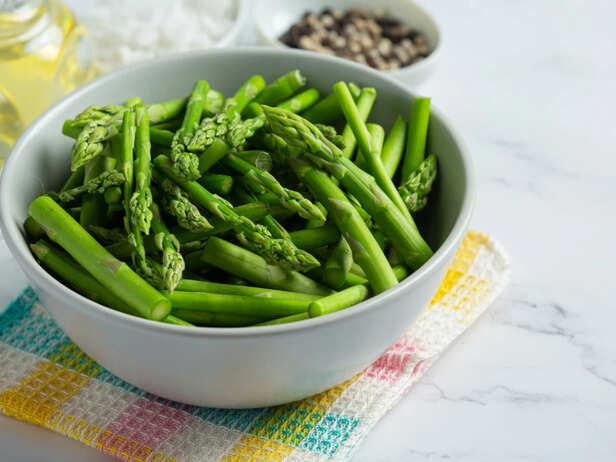
Asparagus stands out among vegetables because it naturally contains glutathione. A recent review lists it among the stronger dietary plant sources of this antioxidant. It also provides fibre and other nutrients that make it a useful addition to a balanced meal. Try lightly steaming, roasting or sautéing asparagus instead of heavily processing it. Cooking and food processing can affect glutathione levels, so preparation matters. Pair it with whole grains, beans or a protein source for a more complete meal rather than treating it as a standalone beauty remedy.
Spinach
Broccoli
Garlic
Tomatoes
Watermelon
Cauliflower
Peas
Grapefruit
The Real Secret Behind Glowing Skin
A better strategy is to build meals around vegetables, fruits, whole grains, legumes, healthy fats and adequate protein. These foods provide a broad range of nutrients rather than relying on one ingredient.
And remember, dietary glutathione is not the same as a proven skin-whitening treatment. Clinical research on oral glutathione for changing skin pigmentation has produced limited and inconsistent results.
A Simple Way to Add Them
You do not need to eat all 10 foods every day.
Try spinach and avocado at breakfast. Add broccoli, peas or cauliflower to lunch. Use tomatoes and garlic in dinner. Keep watermelon or grapefruit as fruit options when appropriate.
The key is variety and consistency, not perfection.
If you have persistent pigmentation, acne, rashes or sudden changes in your skin, food alone may not address the underlying cause. A dermatologist can help identify what is actually happening instead of leaving you to guess.
Discover expert advice and the latest updates in Skin Care, Hair Care, Wellness, Dermatology, and more at Stay Young guide to lasting beauty and holistic health!