
Face Mask vs Face Pack: The Hidden Skin Truth
Noopur Kumari | May 28, 2026, 10:00 IST

Face Mask vs Face Pack
Image credit : FREEPIK
Face masks and face packs may look similar, but their purpose, ingredients, and results are very different. Face packs are mostly natural remedies designed to deeply cleanse the skin, absorb excess oil, and fight acne. Face masks, on the other hand, focus on hydration, nourishment, and instant glow. Choosing the right one depends entirely on your skin type and skincare goals. Oily skin usually benefits more from face packs, while dry and dull skin responds better to face masks. Understanding when and how to use them properly can help you achieve clearer, healthier, and naturally radiant skin without unnecessary damage.
Every person dreams of naturally glowing, fresh, and healthy skin. That is why skincare shelves today are filled with face masks, face packs, serums, and endless beauty products promising instant radiance. But one confusion still remains common are face masks and face packs actually the same thing? Many people use them interchangeably without understanding that choosing the wrong one for your skin type can quietly damage your skin barrier instead of improving it. The truth is surprising. While both help your skin, they work in completely different ways. Knowing this hidden difference can completely change your skincare routine forever.
![Woman confused between face mask and face pack]()
Most people assume face masks and face packs are the same because both are applied on the face and promise glowing skin. Social media trends and beauty advertisements make the confusion even worse. But skincare experts say these two products are designed for completely different purposes. One focuses on deep cleansing and oil control, while the other mainly hydrates and refreshes tired skin. Using the wrong product repeatedly may either overdry your skin or make it excessively oily. That is why understanding the difference is not just helpful it is essential for maintaining healthy skin in the long run.
![Homemade face pack with turmeric and multani mitti]()
Face packs are usually made using natural ingredients like Multani Mitti, besan, turmeric, sandalwood, and yogurt. These ingredients absorb excess oil, clean pores deeply, and remove dirt trapped inside the skin. That is why face packs are especially useful for oily and acne-prone skin types. They also help calm pimples and improve skin texture over time. However, face packs can sometimes feel drying if used too often. Experts suggest applying them only once or twice a week to avoid stripping away the skin’s natural moisture and protective barrier.
Face Masks Give Instant Glow And
Face masks are usually ready-made skincare products available in gel, clay, peel-off, or sheet form. Unlike face packs, their main purpose is hydration, nourishment, and instant radiance. They are especially popular before parties, weddings, or important events because they make skin look refreshed within minutes. Dry, tired, or dull skin often responds well to face masks because they help restore moisture quickly. Some masks also contain vitamins, hyaluronic acid, or collagen to improve softness and brightness. However, overusing certain masks may irritate sensitive skin, so moderation remains important.
One major mistake people make is copying skincare routines without understanding their own skin type. Someone with oily skin may use heavy hydrating masks and suddenly experience breakouts. Meanwhile, a person with dry skin may overuse clay face packs and end up with irritation, redness, or flaking. Healthy skincare is not about trends it is about balance. Experts say your skin changes according to weather, stress, hormones, and lifestyle. That means the product that worked perfectly last month may not suit your skin today. Listening to your skin is more important than blindly following beauty hacks.
There is no universal winner between face masks and face packs because both serve different purposes. If your skin feels greasy, acne-prone, or clogged, face packs usually work better because they deeply cleanse and control oil production. If your skin feels dry, tired, or lifeless, face masks can instantly boost hydration and softness. Combination skin types may benefit from using both carefully at different times. Skincare experts often recommend balancing cleansing and hydration together instead of relying on only one product. Healthy skin needs both purification and nourishment for long-lasting glow.
Ten suggest using a face pack once a week for deep cleansing and a face mask whenever your skin needs hydration or quick refreshment. Always cleanse your face before application and avoid keeping products on longer than instructed. Patch testing new products is also important to prevent allergic reactions. Drinking enough water, sleeping properly, and eating nutritious food also play a major role in skin health. Even the best skincare product cannot fix skin damaged by poor lifestyle habits.
Discover expert advice and the latest updates in Skin Care, Hair Care, Wellness, Dermatology, and more at Stay Young guide to lasting beauty and holistic health!
Why Most People Get Confused
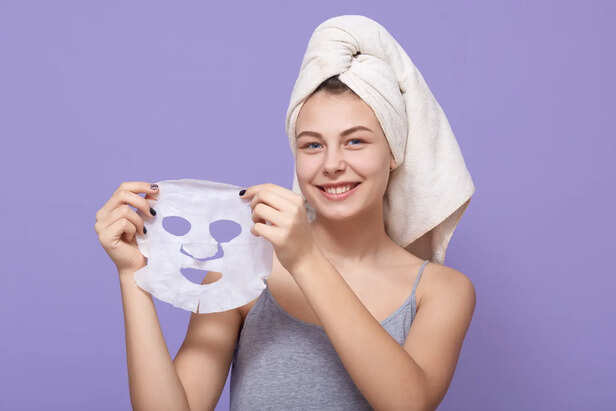
Woman confused between face mask and face pack
Image credit : FREEPIK
Most people assume face masks and face packs are the same because both are applied on the face and promise glowing skin. Social media trends and beauty advertisements make the confusion even worse. But skincare experts say these two products are designed for completely different purposes. One focuses on deep cleansing and oil control, while the other mainly hydrates and refreshes tired skin. Using the wrong product repeatedly may either overdry your skin or make it excessively oily. That is why understanding the difference is not just helpful it is essential for maintaining healthy skin in the long run.
Face Packs Work Deep Inside The Skin

Homemade face pack with turmeric and multani mitti
Image credit : FREEPIK
Face packs are usually made using natural ingredients like Multani Mitti, besan, turmeric, sandalwood, and yogurt. These ingredients absorb excess oil, clean pores deeply, and remove dirt trapped inside the skin. That is why face packs are especially useful for oily and acne-prone skin types. They also help calm pimples and improve skin texture over time. However, face packs can sometimes feel drying if used too often. Experts suggest applying them only once or twice a week to avoid stripping away the skin’s natural moisture and protective barrier.
Face Masks Give Instant Glow And Hydration
The Biggest Skincare Mistake People Make
Which One Is Actually Better?
The Smart Way To Use Both Together
Discover expert advice and the latest updates in Skin Care, Hair Care, Wellness, Dermatology, and more at Stay Young guide to lasting beauty and holistic health!