
How Humidity Affects People With Eczema
Areeba Ayub | Sept 05, 2026, 14:00 IST

Eczema and Humid Weather
Image credit : freepik
Humidity can have a noticeable effect on people with eczema. Changes in moisture levels, temperature, sweating, and seasonal weather can influence how the skin feels and behaves. For some people, humid weather may provide temporary relief from dryness, while for others, increased sweating and heat can trigger itching and irritation.Understanding how humidity affects eczema can help people adjust their skincare habits and protect their skin barrier during changing weather conditions.
For people with eczema, even a change in the weather can make a difference to their skin.
Dry air may leave the skin feeling tight and uncomfortable, while humid weather can bring a different set of challenges. Sweat, heat, and increased moisture can sometimes trigger itching or irritation.
The effect of humidity is not the same for everyone. Learning how your skin responds to different weather conditions can help you build a routine that keeps it comfortable and well cared for.
![Understanding Eczema]()
Eczema is a condition that can make the skin dry, itchy, and irritated. It is often linked to a weakened skin barrier, which makes the skin more sensitive to environmental triggers.
Common symptoms can include:
When the air contains more moisture, the skin may lose less water to the environment.
For some people with eczema, moderate humidity may help the skin feel:
![Sweating During Humid Weather]()
High humidity can make sweat evaporate more slowly.
When sweat remains on the skin, it may cause discomfort and trigger itching in some people with eczema. Heat and friction from clothing can make the irritation feel worse.
This is why some people may experience more discomfort during hot and humid
Sweat contains salt and other substances that may irritate already sensitive skin.
When sweat stays on the body for a long time, it can lead to:
![Breathable Clothing for Sensitive Skin]()
During monsoon or humid weather, clothes may stay damp for longer.
Wet or sweaty clothing can rub against sensitive skin and increase discomfort. Tight clothing may also trap heat and moisture.
Choosing soft, breathable fabrics and changing out of damp clothes can help reduce unnecessary irritation weather.
Even when the weather feels humid, people with eczema should not stop moisturizing.
A moisturizer helps support the skin barrier and can reduce dryness and irritation. The type of moisturizer that feels comfortable may change depending on the season.
During humid weather, some people may prefer a lighter product, while others may still need a richer moisturizer.
![Gentle Bathing Routine]()
A hot shower can feel relaxing, especially during rainy weather, but very hot water may remove natural oils from the skin.
For sensitive or eczema-prone skin, it may be better to:
People living in busy urban areas may have greater exposure to polluted air.
Vehicle emissions, construction dust, and industrial pollution can all contribute to poorer air quality. Rain can interact with these particles before reaching the ground.
This does not mean you should avoid going outdoors during monsoon, but it does make basic skin hygiene more important.
![Sensitive Skin After Rain]()
For some people, exposure to contaminated rainwater may contribute to temporary irritation.
This can be more noticeable if you already have sensitive skin or a weakened skin barrier.
Possible signs include:
When rainwater evaporates, particles that were present in the water can remain on the skin.
If you have also been exposed to sweat, dust, or pollution, this can leave your skin feeling dirty or uncomfortable.
This is one reason why gently cleansing your face and exposed skin after getting caught in the rain can be useful.
![Monsoon Acne Care]()
Rainwater does not automatically cause acne.
However, monsoon conditions can create several factors that may contribute to breakouts, including:
If you get caught in the rain, there is no need to panic or scrub your skin aggressively.
Instead:
![Changing Wet Clothes]()
Rainwater on your skin is only one part of the problem. Staying in wet clothes for a long time can also cause discomfort.
Damp clothing can rub against the skin and keep moisture trapped close to the body.
If you get soaked, change into clean, dry clothes as soon as possible.
If your skin is easily irritated, you may notice seasonal changes more quickly.
Try to keep your routine simple during monsoon:
![Dermatologist Examining Skin]()
Occasional irritation after getting caught in the rain is usually not a reason for concern. However, persistent symptoms should not be ignored.
Consider professional advice if you experience:
You do not need a complicated routine to protect your skin during rainy weather.
Keep these habits in mind:
The best approach is simple: if you get caught in the rain, gently cleanse your skin, change out of wet clothes, moisturize, and continue your normal skincare routine. Healthy skin during monsoon is less about avoiding rain and more about giving your skin the right care afterward.
Discover expert advice and the latest updates in Skin Care, Hair Care, Wellness, Dermatology, and more at Stay Young guide to lasting beauty and holistic health!
Dry air may leave the skin feeling tight and uncomfortable, while humid weather can bring a different set of challenges. Sweat, heat, and increased moisture can sometimes trigger itching or irritation.
The effect of humidity is not the same for everyone. Learning how your skin responds to different weather conditions can help you build a routine that keeps it comfortable and well cared for.
What Is Eczema?
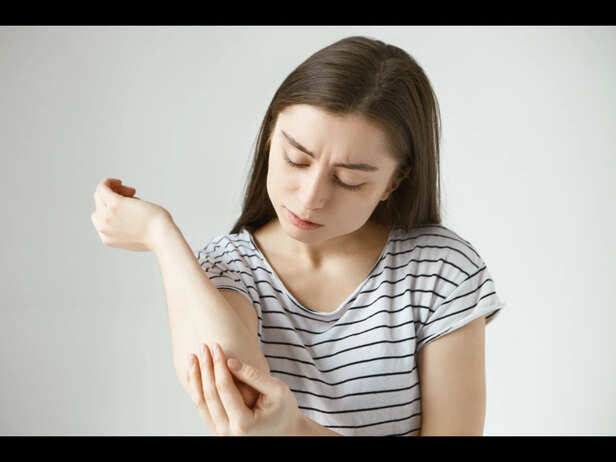
Understanding Eczema
Image credit : freepik
Eczema is a condition that can make the skin dry, itchy, and irritated. It is often linked to a weakened skin barrier, which makes the skin more sensitive to environmental triggers.
Common symptoms can include:
- Dryness
- Itching
- Redness
- Rough or irritated patches
Humidity Can Reduce Dryness for Some People
When the air contains more moisture, the skin may lose less water to the environment.
For some people with eczema, moderate humidity may help the skin feel:
- Less dry
- Less tight
- More comfortable
Too Much Humidity Can Increase Sweating

Sweating During Humid Weather
Image credit : freepik
High humidity can make sweat evaporate more slowly.
When sweat remains on the skin, it may cause discomfort and trigger itching in some people with eczema. Heat and friction from clothing can make the irritation feel worse.
This is why some people may experience more discomfort during hot and humid
weat Can Trigger Itching
Sweat contains salt and other substances that may irritate already sensitive skin.
When sweat stays on the body for a long time, it can lead to:
- Increased itching
- Skin discomfort
- Irritation
Damp Clothes Can Cause Discomfort

Breathable Clothing for Sensitive Skin
Image credit : freepik
During monsoon or humid weather, clothes may stay damp for longer.
Wet or sweaty clothing can rub against sensitive skin and increase discomfort. Tight clothing may also trap heat and moisture.
Choosing soft, breathable fabrics and changing out of damp clothes can help reduce unnecessary irritation weather.
The Skin Barrier Still Needs Protection
Even when the weather feels humid, people with eczema should not stop moisturizing.
A moisturizer helps support the skin barrier and can reduce dryness and irritation. The type of moisturizer that feels comfortable may change depending on the season.
During humid weather, some people may prefer a lighter product, while others may still need a richer moisturizer.
Hot Showers May Make Symptoms Worse

Gentle Bathing Routine
Image credit : freepik
A hot shower can feel relaxing, especially during rainy weather, but very hot water may remove natural oils from the skin.
For sensitive or eczema-prone skin, it may be better to:
- Use lukewarm water
- Keep showers reasonably short
- Choose gentle, fragrance-free products
- Apply moisturizer soon after bathing
Why City Air Can Make a Difference
People living in busy urban areas may have greater exposure to polluted air.
Vehicle emissions, construction dust, and industrial pollution can all contribute to poorer air quality. Rain can interact with these particles before reaching the ground.
This does not mean you should avoid going outdoors during monsoon, but it does make basic skin hygiene more important.
Can Rainwater Cause Skin Irritation?
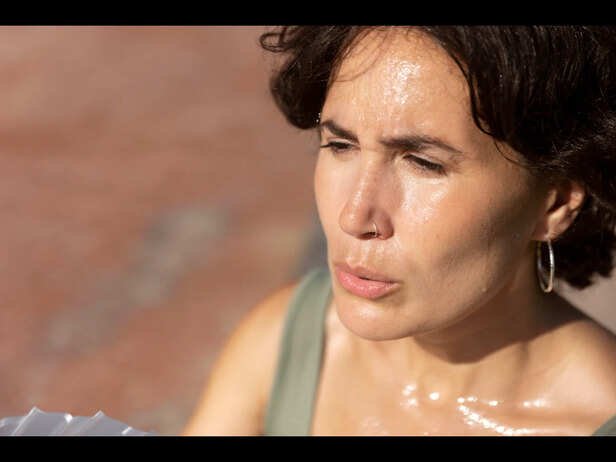
Sensitive Skin After Rain
For some people, exposure to contaminated rainwater may contribute to temporary irritation.
This can be more noticeable if you already have sensitive skin or a weakened skin barrier.
Possible signs include:
- Itching
- Redness
- Dryness
- Mild irritation
What Happens When Rainwater Dries on Your Skin?
When rainwater evaporates, particles that were present in the water can remain on the skin.
If you have also been exposed to sweat, dust, or pollution, this can leave your skin feeling dirty or uncomfortable.
This is one reason why gently cleansing your face and exposed skin after getting caught in the rain can be useful.
What About Rainwater and Acne?
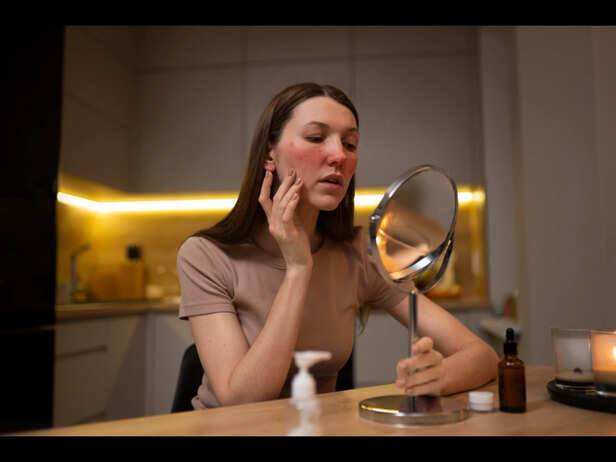
Monsoon Acne Care
Image credit : freepik
Rainwater does not automatically cause acne.
However, monsoon conditions can create several factors that may contribute to breakouts, including:
- Increased humidity
- Sweat
- Excess oil
- Pollution
- Product buildup
Should You Wash Your Face After Getting Wet?
If you get caught in the rain, there is no need to panic or scrub your skin aggressively.
Instead:
- Rinse your face with clean water.
- Use a gentle cleanser if needed.Use gentle cleansers
- Pat your skin dry.
- Apply a suitable moisturizer.
- Use sunscreen during the daytime.
What If Your Clothes Get Completely Wet?
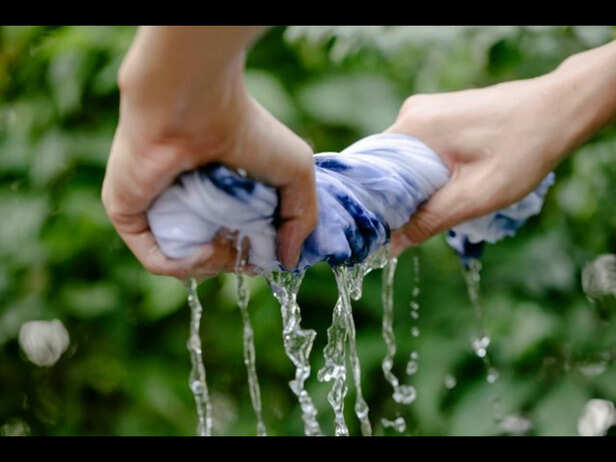
Changing Wet Clothes
Image credit : pexels
Rainwater on your skin is only one part of the problem. Staying in wet clothes for a long time can also cause discomfort.
Damp clothing can rub against the skin and keep moisture trapped close to the body.
If you get soaked, change into clean, dry clothes as soon as possible.
People With Sensitive Skin Should Take Extra Care
If your skin is easily irritated, you may notice seasonal changes more quickly.
Try to keep your routine simple during monsoon:
- Use gentle cleansers
- Avoid unnecessary scrubbing
- Moisturize regularly
- Protect your skin from the sun
- Avoid trying too many new products at once
When Should You See a Dermatologist?

Dermatologist Examining Skin
Image credit : pexels
Occasional irritation after getting caught in the rain is usually not a reason for concern. However, persistent symptoms should not be ignored.
Consider professional advice if you experience:
- A rash that does not improve
- Persistent itching
- Significant redness or swelling
- Pain
- Repeated skin reactions after outdoor exposure
Simple Monsoon Skin Care Tips
You do not need a complicated routine to protect your skin during rainy weather.
Keep these habits in mind:
- Wash your face gently after heavy exposure to rain and pollution
- Change out of wet clothes quickly
- Moisturize according to your skin type
- Avoid harsh scrubs
- Keep your skin and surroundings clean
- Wear sunscreen during daytime exposure
- Do not ignore persistent irritation
The best approach is simple: if you get caught in the rain, gently cleanse your skin, change out of wet clothes, moisturize, and continue your normal skincare routine. Healthy skin during monsoon is less about avoiding rain and more about giving your skin the right care afterward.
Discover expert advice and the latest updates in Skin Care, Hair Care, Wellness, Dermatology, and more at Stay Young guide to lasting beauty and holistic health!