
Is Aloe Vera Drying Your Skin? Here's the Truth
Noopur Kumari | Jul 27, 2026, 10:38 IST

Aloe Vera Drying Your Skin
Image credit : FREEPIK
Aloe vera is widely praised for its soothing and hydrating properties, but it is not a one-size-fits-all skincare solution. While it works well for oily and acne-prone skin, people with dry or sensitive skin may experience irritation or increased dryness. Understanding how aloe vera works can help you decide whether it belongs in your skincare routine.
Aloe vera has earned the title of a miracle skincare ingredient. From soothing sunburns to calming acne, it is found in everything from homemade face masks to luxury skincare products. But what if this popular plant isn't as universal as people believe? While millions use aloe vera every day, dermatologists say it may not suit every skin type. In some cases, it can even make skin problems worse. Before applying aloe vera to your face, here's what you should know.
![Fresh Aloe Vera Gel for Skincare]()
Aloe vera has been trusted for generations because it instantly cools irritated skin and feels refreshing after sun exposure. Its gel contains mostly water along with natural compounds like polysaccharides and glycoproteins that help soothe minor irritation. This lightweight texture makes aloe vera feel gentle and non-greasy, which is why it appears in countless skincare products. However, natural ingredients are not automatically suitable for everyone, and aloe vera is no exception.
![Natural Aloe Vera Gel Texture]()
Aloe vera works as a humectant, meaning it attracts water to the upper layers of the skin. This creates an immediate feeling of hydration and softness. It also contains anti-inflammatory compounds that may reduce redness and calm irritated skin. While these benefits sound impressive, aloe vera does not lock moisture into the skin. This small detail makes a big difference depending on your skin type.
People with oily, combination, or acne-prone skin usually benefit the most from aloe vera. Its lightweight texture hydrates without clogging pores and may help reduce excess oil and post-acne redness. It is also useful after shaving or spending time in the sun because it helps calm temporary irritation. For these skin types, aloe vera can become a simple and effective addition to a daily skincare routine.
If your skin is naturally dry, aloe vera may not always provide enough hydration. Since it attracts moisture but does not seal it in, water can evaporate quickly, especially in dry weather or air-conditioned rooms. This may leave the skin feeling even drier. People with sensitive skin should also be cautious because certain compounds in aloe vera or added preservatives in commercial products can trigger irritation or allergic reactions.
Many store-bought aloe vera gels contain fragrances, preservatives, alcohol, or artificial stabilizers that can irritate sensitive skin. Some products also include aloe latex, which contains compounds like aloin that may cause redness or itching. Reading the ingredient list before buying a product is just as important as checking the aloe vera content. Choosing high-quality, fragrance-free products can reduce the risk of unwanted skin reactions.
Before applying aloe vera to your entire face, perform a patch test on a small area of skin and wait 24 hours. If no irritation appears, you can begin using it gradually. Those with dry skin should always apply a moisturizer after aloe vera to lock in hydration. If you notice itching, burning, or redness, stop using the product immediately and consult a dermatologist if symptoms continue.
Aloe vera is an excellent skincare ingredient, but it is not a universal solution. It works best for oily, acne-prone, and combination skin by providing lightweight hydration and soothing irritation. For dry or sensitive skin, it requires extra care and may not always be the right choice. Instead of following skincare trends, focus on understanding your own skin. The right routine is not about using popular ingredients. It is about choosing what truly works for you.
Discover expert advice and the latest updates in Skin Care, Hair Care, Wellness, Dermatology, and more at Stay Young guide to lasting beauty and holistic health!
Why Aloe Vera Became a Skincare Favorite
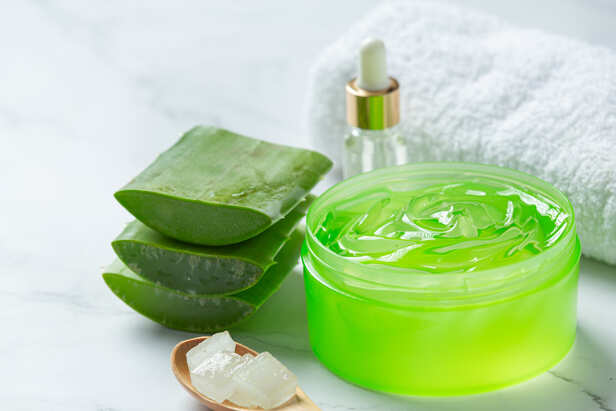
Fresh Aloe Vera Gel for Skincare
Image credit : FREEPIK
Aloe vera has been trusted for generations because it instantly cools irritated skin and feels refreshing after sun exposure. Its gel contains mostly water along with natural compounds like polysaccharides and glycoproteins that help soothe minor irritation. This lightweight texture makes aloe vera feel gentle and non-greasy, which is why it appears in countless skincare products. However, natural ingredients are not automatically suitable for everyone, and aloe vera is no exception.
What Makes Aloe Vera So Effective

Natural Aloe Vera Gel Texture
Image credit : FREEPIK
Aloe vera works as a humectant, meaning it attracts water to the upper layers of the skin. This creates an immediate feeling of hydration and softness. It also contains anti-inflammatory compounds that may reduce redness and calm irritated skin. While these benefits sound impressive, aloe vera does not lock moisture into the skin. This small detail makes a big difference depending on your skin type.
Who Benefits the Most From Aloe Vera
When Aloe Vera Can Cause Problems
The Hidden Ingredients You Should Check
How to Use Aloe Vera Safely
The Real Truth About Aloe Vera
Discover expert advice and the latest updates in Skin Care, Hair Care, Wellness, Dermatology, and more at Stay Young guide to lasting beauty and holistic health!