
What is Fungal Acne And How Do You Treat It
Khushi | Nov 24, 2025, 17:43 IST

Fungal Acne
Image credit : Freepik
This article breaks down what fungal acne actually is, how it differs from regular acne, and the telltale signs that help identify it. It also explains what triggers fungal acne, why common acne products don’t work, and the most effective treatments from lifestyle changes to antifungal ingredients that help clear the skin.
Fungal acne is a very common but misunderstood skin issue that looks like regular acne but behaves very differently. There are many people that struggles with tiny, itchy breakouts that does not improve with normal products which then leads to frustration and confusion.
What Is Fungal Acne Actually Is
Fungal Acne
Image credit : Freepik
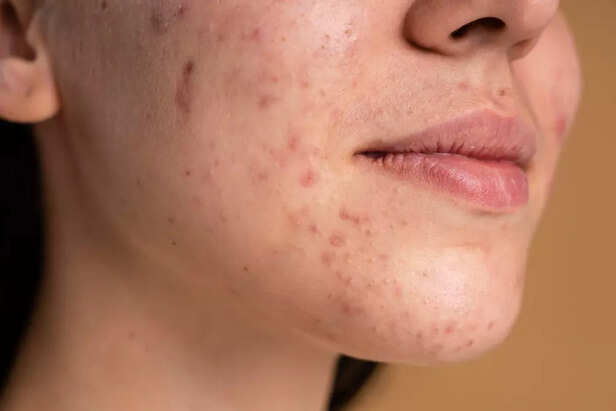
Fungal acne is basically not acne it is an infection of the hair follicles which caused by an overgrowth of a yeast called Malassezia. It appears as a clusters of small , red, itchy bumps of a similar size and is confused with bacterial acne.
It requires different type of treatments like antifungal creams or shampoos. This is caused by various other reasons like:
- Yeast overgrowth: Malassezia is a type of yeast which is normally found on the skin, but an overgrowth can lead to fungal acne.
- Tight clothing: Prevents the skin from breathing and trapping sweat.
- Antibiotics: It can disrupt the balance of skin leading to overgrowth of yeast.
How It Is Different From Regular Acne
| Fungal Acne | Regular Acne |
| Fungal acne is caused by yeast overgrowth. | While on the other hand regular acne is caused by bacteria and clogged pores. |
| It appears as small, same sized bumps. | It appears as whiteheads, blackheads and inflamed pimples. |
| It is often itchy | While it is not. |
| Mostly happens on forehead, chest and back | It can happen anywhere on the body. |
| It worsens with sweat and humidity. | It is mostly influenced by oil, hormones and skincare products in some cases. |
Tips To Treat Fungal Acne
Treatment
Image credit : Freepik
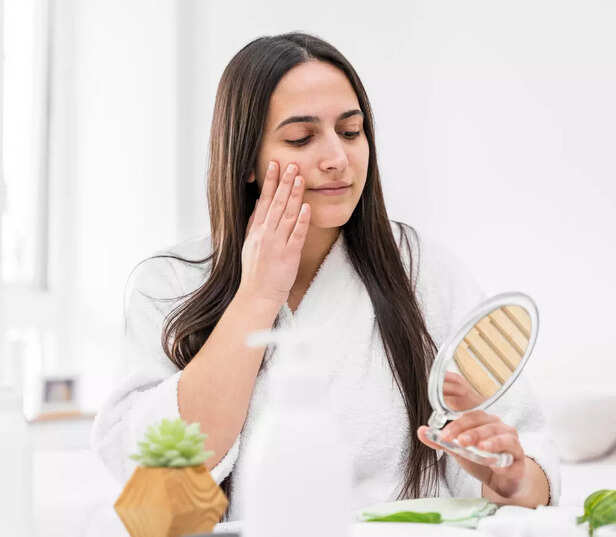
Healthcare professionals treat Malassezia folliculitis by prescribing oral or topical antifungal medications.
According to cleveland clinic some effective treatments are oral antifungal medications such as:
- Fluconazole
- Itraconazole
- Econazole
- Ketoconazole
- Selenium sulfide shampoo which also helps to prevent dandruff.
Fungal acne clears faster when right antifungal treatments and simple habits are followed consistently. With proper care and the right routine the skin becomes smoother, calmer and far less prone to recurring flare ups.
Discover expert advice and the latest updates in Skin Care, Hair Care, Wellness, Dermatology, and more at Stay Young guide to lasting beauty and holistic health!
Frequently Asked Questions
- How to treat fungal acne during pregnancy?
Generally, skin treatments containing erythromycin (Erygel, Erythra-Derm) and clindamycin (Cleocin T, Clindagel, others) are considered safe. Other options include treatments containing benzoyl peroxide and azelaic acid. - How long does fungal acne take to clear?
Fungal acne will generally not go away on its own. Fungal acne is a yeast infection that occurs when there is an overgrowth of yeast on the skin and leads to an infection in the hair follicles. Without treatment, fungal acne can take months to recede. - What skincare is good for fungal acne?
Treatment for fungal acne typically involves topical and/or oral antifungal medications such as: Ketoconazole cream, shampoo, and tablets (Extina) Clotrimazole cream (Mycelex, Lotrimin AF) Ciclopirox cream and shampoo (Loprox, Penlac)