
Why Skin Texture Changes Unevenly Across the Face
Khushi | 19ec 19, 2025, 21:00 IST

Skin Texture
Image credit : Freepik
Uneven skin texture across the face is a common concern, with some areas appearing smooth while others feel rough, dry, or bumpy. This happens due to a combination of factors including oil production, hydration levels, sun exposure, genetics, and daily habits like touching or resting the face. This article explains why different zones age or react differently, the underlying causes for these texture variations, and how targeted skincare can help achieve a more balanced, healthy complexion.
Skin does not age or change uniformly and some areas can appear smooth and radiant while others feel, rough, dry or uneven. This uneven texture is influenced by factors such as exposure oil production, hydration levels and even daily habits like touching the face.
Different Facial Zones Have Different Skin Thickness
![Skin Around The Eyes]()
The different facial zones have significantly different skin thickness.
Blood Flow And Oxygen Supply Vary By Area
![Glowing]()
The blood flow and oxygen and supplies vary significantly by areas in the body which is a process tightly which are regulated to match the metabolic demands of different tissues.
Organs like the brain, heart muscle and skeletal muscles during exercise receive which increases blood flow and oxygen. Vasoactive substances like adenosine, carbon dioxide and nitric oxide which are produced during increased metabolism and causes the arterioles to dilate and open more capillaries, increasing oxygen delivery.
Some tissues with lower metabolic activity have less blood flow at rest. The blood flow to peripheral organs like the skin for example is also regulated by the sympathetic nervous system to manage the body temperature, constricting vessels in the cold environments and dilating them in warm ones.
Discover expert advice and the latest updates in Skin Care, Hair Care, Wellness, Dermatology, and more at Stay Young guide to lasting beauty and holistic health!
Frequently Asked Questions
Different Facial Zones Have Different Skin Thickness
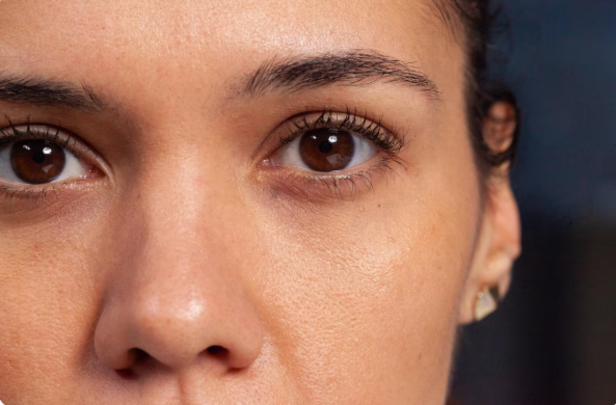
Skin Around The Eyes
Image credit : Freepik
The different facial zones have significantly different skin thickness.
- The thinnest area is found on the upper and lower eyelids at approximately 0.5mm.
- The thickest area is around lips, and chin with measurements for total skin thickness reaching up to 1.6-1.9 mm in some studies.
- Many areas like forehead and cheeks have intermediate thicker than the eyelids but thinner than the nasal area.
- Ski thickness depends on gender like for men they have mostly thicker than woman, age and individual variation but anatomical location is the most significant factor.
Blood Flow And Oxygen Supply Vary By Area

Glowing
Image credit : Freepik
The blood flow and oxygen and supplies vary significantly by areas in the body which is a process tightly which are regulated to match the metabolic demands of different tissues.
Organs like the brain, heart muscle and skeletal muscles during exercise receive which increases blood flow and oxygen. Vasoactive substances like adenosine, carbon dioxide and nitric oxide which are produced during increased metabolism and causes the arterioles to dilate and open more capillaries, increasing oxygen delivery.
Some tissues with lower metabolic activity have less blood flow at rest. The blood flow to peripheral organs like the skin for example is also regulated by the sympathetic nervous system to manage the body temperature, constricting vessels in the cold environments and dilating them in warm ones.
Discover expert advice and the latest updates in Skin Care, Hair Care, Wellness, Dermatology, and more at Stay Young guide to lasting beauty and holistic health!
Frequently Asked Questions
- Why is the skin on my face uneven?
As we get older, the skin becomes thinner, which can lead to a host of issues, including prior sun damage appearing on the surface of the skin. Cell turnover also begins to slow as we age, leading to more build up of dead skin cells that can create an uneven skin texture. - How to fix uneven face symmetry?
Mild unevenness can often be improved with fillers or fat grafting. If the asymmetry is due to the skeletal structure, facial asymmetry surgery can correct it by reshaping or repositioning the bones. Chin augmentation is surgery to reshape or enhance the size of the chin. - What is the main cause of asymmetrical face?
Asymmetrical faces stem from genetics, injuries, aging, and habits like chewing on one side; medical conditions (Bell's Palsy, TMJ), dental issues, poor posture, smoking, sun damage, and developmental factors also cause uneven features, with asymmetry being normal and often appearing gradually due to varying bone/muscle growth and nerve/soft tissue issues.