Rainy days may feel
refreshing, but your skin may not always agree.
During the monsoon, humidity levels rise and your skin can stay damp and sweaty for longer. This combination of sweat, oil, pollution, and dirt can build up on the skin and contribute to blocked pores.
The good news is that you do not need a completely new skincare routine for the rainy season. A few simple changes can help your skin stay clean, balanced, and comfortable.
Humidity Can Increase Oiliness
![Oily Skin During Monsoon]()
Oily Skin During Monsoon
Image credit : pexels
Humid weather can make the skin feel oilier and contribute to clogged pores.
Humidity Can Increase Oiliness
High humidity can make the skin feel greasy, particularly if you already have oily or combination skin.
When excess oil mixes with sweat and dead skin cells, it can contribute to clogged pores.
This may lead to:
- Small bumps
- Blackheads
- Whiteheads
- Pimples
Sweat Can Stay on Your Skin Longer
During humid weather, sweat may not evaporate as quickly.
When sweat remains on the skin along with oil and dirt, it can create an environment where breakouts become more likely.
This is why cleansing after heavy sweating can be helpful, especially after outdoor activities.
Pollution and Dirt Can Add to the Problem
![City Pollution During Monsoon]()
City Pollution During Monsoon
Image credit : freepik
Environmental pollutants can settle on the skin even during the rainy season.
Rain does not automatically mean cleaner air or cleaner skin.
Your face can still come into contact with:
- Dust
- Vehicle pollution
- Dirt
- Environmental particles
These can settle on the skin throughout the day and contribute to clogged pores if not removed properly.
Your Skin Barrier May Become Unbalanced
Constant changes between humidity, rain, indoor air conditioning, and cleansing can affect the skin barrier.
Using harsh products to remove excess oil may make the situation worse by leaving the skin dry or irritated.
A balanced routine is usually better than trying to remove every trace of oil.
Heavy Products May Feel Different
![Lightweight Moisturizer]()
Lightweight Moisturizer
Image credit : freepik
Lightweight skincare products can feel more comfortable in humid weather
Products that feel comfortable during dry or cooler weather may feel too heavy during a humid monsoon.
Thick creams and oily products may not suit everyone, especially if you are prone to clogged pores.
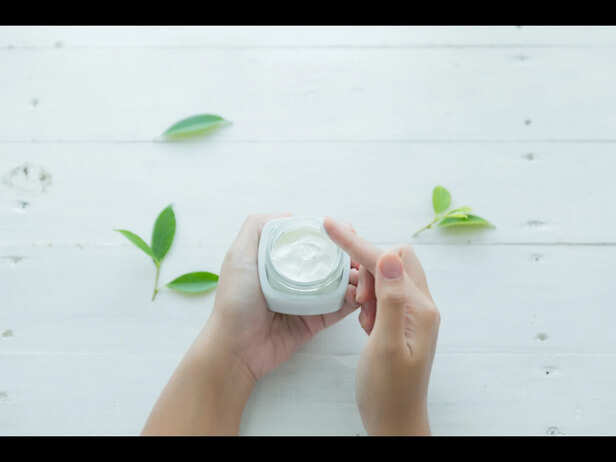
A lightweight moisturizer can provide hydration without making the skin feel overly greasy.
Do Not Skip Sunscreen
Cloudy skies do not mean your skin is completely protected from ultraviolet radiation.
Sunscreen remains an important part of your daytime routine during monsoon.
Choose a sunscreen that feels comfortable on your skin and use it consistently when you are exposed to daylight.
How to Adjust Your Monsoon Skincare Routine
![Simple Monsoon Skincare Essentials]()
Simple Monsoon Skincare Essentials
Image credit : freepik
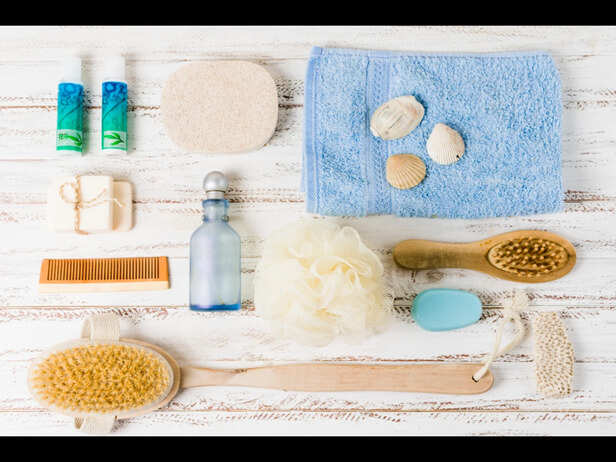
A simple and consistent routine can help keep skin balanced during humid weather.
You do not need to overload your skin with products.
Try these simple habits:
- Cleanse gently
- Use a lightweight moisturizer
- Wear sunscreen
- Avoid touching your face frequently
- Remove makeup before sleeping
- Change sweaty clothes and pillowcases regularly
- Keep your skincare products clean and properly stored
What If Breakouts Keep Coming Back?
Occasional breakouts are common, but persistent or painful acne deserves more attention.
If your skin continues to break out despite a consistent routine, a dermatologist can help identify possible causes and recommend suitable treatment.
Avoid repeatedly trying strong products without professional guidance, as this can sometimes increase irritation.
Monsoon can change the way your skin behaves. Increased humidity, sweat, oil, pollution, and changes in your skincare routine can all contribute to more frequent breakouts.
Instead of constantly switching products, focus on keeping your routine simple, gentle, and consistent. Understanding what your skin needs during the season can help you manage breakouts while maintaining a healthy skin barrier.
Discover expert advice and the latest updates in
Skin Care,
Hair Care,
Wellness,
Dermatology, and more at
Stay Young guide to lasting beauty and holistic health!