
6 Fruits for Better Kidney Health: The Right Way to Eat Them
Noopur Kumari | Sept 09, 2026, 11:00 IST

Fruits for Better Kidney Health
Image credit : freepik
Choosing fruit for your kidneys is not simply about finding a list of “good” and “bad” foods. The portion, preparation and your individual health condition matter too. Apples, berries, grapes, pears, peaches and pineapple are among the fruits commonly included in lower-potassium choices. But if you have chronic kidney disease, your potassium needs can change according to your blood tests, kidney function and treatment.
Your kidneys quietly work around the clock, filtering waste, balancing fluids and helping control important minerals in your body. That makes everyday food choices more important than many people realize. Fruits can be part of a healthy eating pattern, but there is one important catch: the best fruit for kidney health depends on your kidney function and potassium levels. Some fruits are naturally lower in potassium and may fit more easily into a kidney-friendly diet, while others may need portion control
![Fresh Apples for Kidney-Friendly Eating]()
Apples are an easy fruit to include because a medium apple is considered a lower-potassium choice by the National Kidney Foundation. It also provides fiber and can be eaten without complicated preparation. Try having a whole apple as a snack instead of turning it into a sugary dessert. If you have kidney disease, remember that serving size still matters. A food being lower in potassium does not mean you can eat unlimited amounts. Your overall diet and blood potassium level should guide how much fruit belongs on your plate.
![Berries]()
Berries can bring color, fiber and antioxidants to your diet without automatically adding a large potassium load. Strawberries are specifically listed as a low-potassium fruit, while blueberries are also recognized as a lower-potassium choice. Enjoy them fresh, add them to oatmeal or mix a small portion into a suitable yogurt. The important point is to avoid turning a naturally healthy fruit into a high-sugar dessert with large amounts of syrup or sweetened toppings. For people managing kidney disease, portion size and their individual potassium target still matter.
Grapes are another lower-potassium fruit option listed by the National Kidney Foundation. They require little preparation, making them useful for a quick snack during the day. A sensible portion can be eaten on its own or paired with another appropriate food. Whole grapes are generally a more straightforward choice than turning fruit into a large glass of juice, especially when you are watching added sugar and portion sizes. If you have chronic kidney disease, however, your individual nutrition plan should come first because potassium requirements can vary considerably from person to person.
A juicy pear can be a simple way to add fruit and fiber to your day. Pears are included among lower-potassium fruit choices by the National Kidney Foundation. Eating the whole fruit rather than relying heavily on sweetened fruit products can also make portion control easier. You can slice a small pear into a bowl or enjoy it as a standalone snack. The bigger lesson is variety. Instead of eating the same fruit every day, rotating suitable options can make a kidney-conscious diet feel less restrictive and more enjoyable.
Pineapple is another fruit included among lower-potassium choices. Its naturally sweet and refreshing taste makes it useful when you want something flavorful without reaching for heavily processed desserts. Try a measured portion alongside a balanced meal or as a simple snack. If you buy canned pineapple, drain the liquid rather than consuming large amounts of the syrup or juice. Remember that kidney-friendly eating is not only about potassium. Overall nutrition, added sugar, sodium, phosphorus and your personal medical needs can all influence which foods are appropriate for you.
Peaches can provide another way to keep fruit in your diet without automatically choosing a high-potassium option. The National Kidney Foundation lists a small fresh peach as a lower-potassium serving. You can eat it whole, sliced or added to a suitable meal. If choosing canned peaches, draining the liquid can help avoid consuming unnecessary syrup or juice. Still, there is no universal fruit list that works for every person with kidney disease. Your kidney function, potassium level, medications and treatment plan can all change what is appropriate.
One of the biggest mistakes is assuming that a kidney-friendly fruit can be eaten without limits. Portion size matters. The National Kidney Foundation notes that eating a large amount of a lower-potassium food can still contribute a significant amount of potassium. People with kidney disease may also have very different potassium requirements depending on their stage of disease and laboratory results. So, do not remove or add foods based on internet lists alone. If you have CKD, dialysis or abnormal potassium levels, ask your doctor or renal dietitian how much fruit is appropriate for you.
A simple approach is to choose whole fruit, control portions and vary your choices rather than relying on large servings or sugary juices. Apples, berries, grapes, pears, peaches and pineapple can all fit into many kidney-conscious eating patterns. However, kidney disease does not have one universal diet. Your potassium, phosphorus, sodium needs, kidney function, medications and dialysis status can change the right choices for you.
Discover expert advice and the latest updates in Skin Care, Hair Care, Wellness, Dermatology, and more at Stay Young guide to lasting beauty and holistic health!
Apples Make an Easy Choice
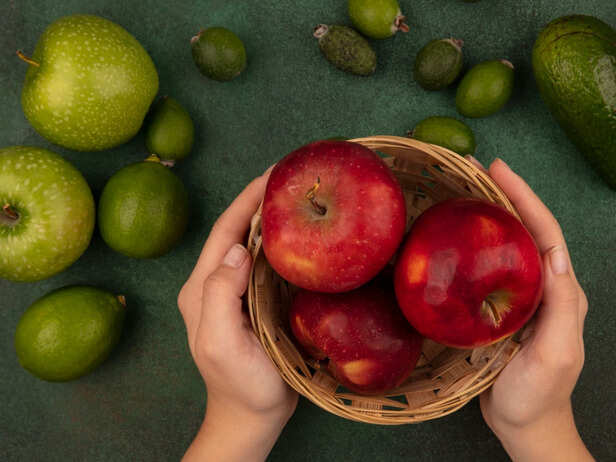
Fresh Apples for Kidney-Friendly Eating
Image credit : freepik
Apples are an easy fruit to include because a medium apple is considered a lower-potassium choice by the National Kidney Foundation. It also provides fiber and can be eaten without complicated preparation. Try having a whole apple as a snack instead of turning it into a sugary dessert. If you have kidney disease, remember that serving size still matters. A food being lower in potassium does not mean you can eat unlimited amounts. Your overall diet and blood potassium level should guide how much fruit belongs on your plate.
Berries Add Antioxidants
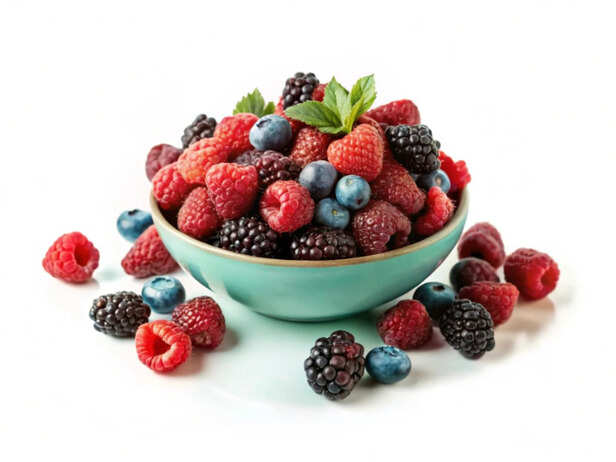
Berries
Image credit : freepik
Berries can bring color, fiber and antioxidants to your diet without automatically adding a large potassium load. Strawberries are specifically listed as a low-potassium fruit, while blueberries are also recognized as a lower-potassium choice. Enjoy them fresh, add them to oatmeal or mix a small portion into a suitable yogurt. The important point is to avoid turning a naturally healthy fruit into a high-sugar dessert with large amounts of syrup or sweetened toppings. For people managing kidney disease, portion size and their individual potassium target still matter.
Grapes Are Simple to Enjoy
Pears Bring Fiber and Variety
Pineapple Can Add Freshness
Peaches Offer Another Option
The Biggest Mistake to Avoid
How to Eat Fruit the Right Way
Discover expert advice and the latest updates in Skin Care, Hair Care, Wellness, Dermatology, and more at Stay Young guide to lasting beauty and holistic health!