
10 Old Indian Foods Modern Diets Have Forgotten
Noopur Kumari | Sept 04, 2026, 08:25 IST

Indian Protein Foods Grandparents At
Image credit : freepik
What if some of the best protein foods were never found in a fitness store? Indian grandparents regularly ate humble ingredients that could provide protein without powders or expensive products. From roasted grains to traditional seeds and fermented foods, these forgotten staples deserve another look. Here are 10 old Indian protein-rich foods that modern kitchens may have overlooke
Before protein shakes, nutrition bars and packaged high-protein foods became popular, Indian families were already getting protein from everyday ingredients. Grandparents often ate simple meals built around pulses, grains, dairy, seeds and traditional foods that were locally available. Many of these ingredients were inexpensive, filling and easy to include in regular meals.
Today, several of them have quietly disappeared from modern kitchens. Yet some traditional foods still offer useful amounts of protein along with fibre, minerals and other nutrients. Their stories also reveal something interesting about older Indian food habits: nutrition was often built into the meal rather than treated as a separate goal.
![Traditional Indian Sattu Drink]()
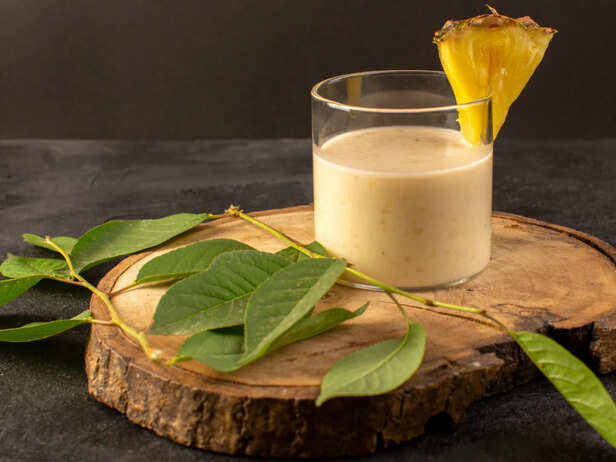
Sattu has been part of traditional diets in several parts of India for generations. Usually made from roasted gram, it can provide plant-based protein along with fibre and other nutrients. Grandparents often mixed it with water, spices and salt for a refreshing drink, or used it in simple meals. Its appeal was not complicated. It was affordable, easy to store and required very little preparation. Today, sattu is gaining attention again as people search for convenient traditional protein sources. Instead of seeing it as an old-fashioned ingredient, modern kitchens can use it in drinks, stuffed rotis, chillas or savoury bowls.
Kulith, also called horse gram, is an old pulse that remains popular in parts of Maharashtra, Karnataka, Andhra Pradesh and other regions. It is naturally rich in plant protein and fibre, making it a filling addition to traditional meals. Many families prepared it as dal, curry, sprouts or soup. Its earthy flavour may explain why it disappeared from some modern kitchens, but that does not make it nutritionally unimportant. Grandparents often relied on such sturdy pulses because they were inexpensive and satisfying. Adding soaked or pressure-cooked kulith to regular meals can bring an overlooked traditional ingredient back to the plate.
![Roasted Chana]()
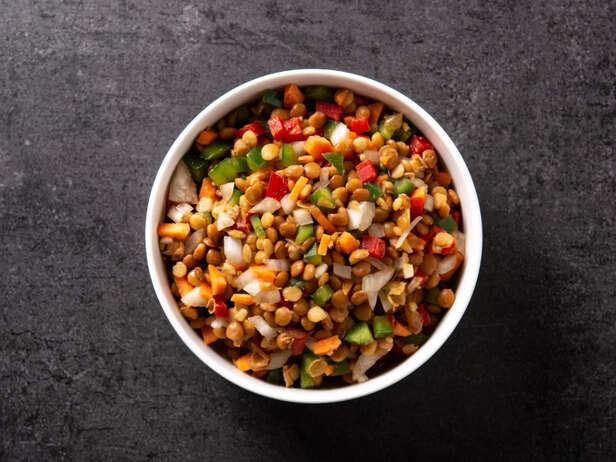
Before packaged protein snacks filled supermarket shelves, roasted chana was a common household option. It was easy to carry, inexpensive and required no cooking at snack time. Roasted gram provides plant protein and fibre, which can make it more filling than many refined snack foods. Grandparents often ate a handful between meals or combined it with jaggery, onions or spices. The important lesson is not that every traditional snack is automatically healthier, but that simple whole-food options were often readily available. Today, roasted chana can still work as an easy snack when paired with a balanced diet.
Amaranth, known by names such as rajgira or ramdana, has a long history in Indian food traditions. Its seeds contain protein and several minerals, making them an interesting addition to a balanced diet. They are commonly used in laddoos, rotis, porridges and fasting preparations. Older generations often used regional grains and seeds according to season and availability rather than following modern nutrition trends. Amaranth is especially useful for people looking to diversify their grain choices. It can be cooked like a grain, popped for snacks or ground into flour. Its traditional reputation is now finding a place in modern healthy cooking.
Makhana, or fox nuts, has traditionally been used in several Indian households, particularly during fasting periods. Lightly roasted makhana is naturally low in fat and provides some protein, minerals and carbohydrates. Grandparents often prepared it simply with a little ghee and seasoning. Today, it has become a popular packaged snack, but its traditional preparation was much simpler. Makhana should not be treated as a magical high-protein food because its protein content is moderate rather than exceptionally high. Still, it can be part of a varied diet. Pairing it with curd, milk, pulses or other protein foods can make the meal more balanced.
Til, or sesame seeds, has been a familiar ingredient in Indian kitchens for centuries. It appears in winter sweets, chutneys, spice mixes and traditional preparations across different regions. Sesame provides plant protein along with healthy fats, fibre and minerals such as calcium. Because seeds are energy-dense, portion size still matters, but they can add valuable nutrition to an otherwise simple meal. Grandparents often consumed til without thinking of it as a fitness food. A spoonful could become part of chutney, vegetable dishes, laddoos or homemade mixes. This small ingredient shows how traditional meals often combined several nutrient sources naturally.
Fermentation has played an important role in Indian food traditions, from idli and dosa batter to several regional preparations. Foods made from combinations of rice and pulses can contribute protein, while fermentation changes the food's texture and flavour and may improve digestibility for some people. Traditional households often fermented foods because it was practical and suited local cooking habits. These foods were not marketed as wellness products, yet they became regular parts of meals. A bowl of sambar with idli or dosa, for example, combines pulses with a cereal-based food. The bigger lesson is the value of variety across the whole meal.
Besan, or gram flour, is one of the simplest traditional ways to add pulse-based protein to Indian meals. Made from chickpeas, it has long been used for chillas, pakoras, kadhi and other regional dishes. Grandparents did not necessarily calculate grams of protein, but ingredients like besan regularly appeared in everyday cooking. A besan chilla with vegetables can make a quick breakfast, while adding curd can further increase the meal's protein content. Besan is also inexpensive and easy to store. Its continued popularity proves that traditional ingredients do not always need a complicated revival. Sometimes they simply need to return to regular menus.
Dried peas were once a practical pantry ingredient in many Indian homes. They could be stored for long periods and turned into curries, usal, soups and other filling preparations after soaking and cooking. Like other legumes, dried peas provide plant protein and fibre. Their real strength comes from how easily they can become part of a complete meal. Pairing them with grains, vegetables and curd can create greater variety in both flavour and nutrients. Modern convenience foods may have pushed such ingredients aside, but dried peas remain inexpensive and versatile. Sometimes an old pantry staple does not need replacing. It simply needs rediscovering.
Curd was a regular part of many traditional Indian meals, especially in homes where fresh milk was readily available. It provides protein and calcium, although the exact amount depends on the type and quantity consumed. Grandparents commonly served curd alongside rice, roti, vegetables or lentils rather than treating it as a separate health food. That habit created an easy way to add dairy to everyday meals. Today, plain curd can still be a practical choice, particularly when paired with meals containing pulses, grains and vegetables. The bigger takeaway is simple: protein was often spread across the plate instead of coming from one specialised food.
The most interesting part of these forgotten foods is not that they can replace modern protein products. It is that older Indian diets often built nutrition through variety. Pulses, grains, dairy, seeds and traditional preparations appeared together across different meals.
That approach still makes sense today.
Instead of chasing one “superfood,” bringing ingredients such as sattu, kulith, roasted chana, besan, sesame and curd back into regular meals can add variety and useful nutrients. Individual protein needs vary by age, body size, activity level and health status, so no single traditional food can meet everyone's requirements.
The wisdom worth remembering is not about going backward. It is about recognising what earlier generations got right and giving simple, nourishing foods another place at the modern table.
Discover expert advice and the latest updates in Skin Care, Hair Care, Wellness, Dermatology, and more at Stay Young guide to lasting beauty and holistic health!
Today, several of them have quietly disappeared from modern kitchens. Yet some traditional foods still offer useful amounts of protein along with fibre, minerals and other nutrients. Their stories also reveal something interesting about older Indian food habits: nutrition was often built into the meal rather than treated as a separate goal.
Sattu Was a Summer Staple
Traditional Indian Sattu Drink
Image credit : FREEPIK
Sattu has been part of traditional diets in several parts of India for generations. Usually made from roasted gram, it can provide plant-based protein along with fibre and other nutrients. Grandparents often mixed it with water, spices and salt for a refreshing drink, or used it in simple meals. Its appeal was not complicated. It was affordable, easy to store and required very little preparation. Today, sattu is gaining attention again as people search for convenient traditional protein sources. Instead of seeing it as an old-fashioned ingredient, modern kitchens can use it in drinks, stuffed rotis, chillas or savoury bowls.
Kulith Was More Than Horse Food
Roasted Chana Was the Old Snack
Roasted Chana
Image credit : freepik
Before packaged protein snacks filled supermarket shelves, roasted chana was a common household option. It was easy to carry, inexpensive and required no cooking at snack time. Roasted gram provides plant protein and fibre, which can make it more filling than many refined snack foods. Grandparents often ate a handful between meals or combined it with jaggery, onions or spices. The important lesson is not that every traditional snack is automatically healthier, but that simple whole-food options were often readily available. Today, roasted chana can still work as an easy snack when paired with a balanced diet.
Amaranth Seeds Had a Quiet Place
Makhana Was Not Just for Fasting
Til Added More Than Flavour
Fermented Foods Had a Hidden Advantage
Besan Made Protein Affordable
Dried Peas Deserve Another Look
Homemade Curd Stayed on the Table
The Real Lesson From Grandparents' Plates
That approach still makes sense today.
Instead of chasing one “superfood,” bringing ingredients such as sattu, kulith, roasted chana, besan, sesame and curd back into regular meals can add variety and useful nutrients. Individual protein needs vary by age, body size, activity level and health status, so no single traditional food can meet everyone's requirements.
The wisdom worth remembering is not about going backward. It is about recognising what earlier generations got right and giving simple, nourishing foods another place at the modern table.
Discover expert advice and the latest updates in Skin Care, Hair Care, Wellness, Dermatology, and more at Stay Young guide to lasting beauty and holistic health!